Published on:
10 min read
Used Cars Market Trends: What Buyers Need to Know in 2026
The used car market in 2026 is no longer behaving like the chaotic, inventory-starved environment buyers faced in the early 2020s, but it is not fully “normal” either. Prices have cooled in many segments, financing remains expensive compared with pre-pandemic years, and electric vehicles are reshaping depreciation patterns in ways many shoppers still underestimate. This article breaks down the biggest trends affecting used car buyers in 2026, from supply shifts and interest rates to hybrid demand, EV pricing, dealership tactics, and the models that tend to hold value best. You will also learn how to evaluate timing, compare buying channels, and avoid common mistakes that can quietly add thousands to your total cost. If you want to buy smarter rather than just cheaper, this guide gives you the market context and practical steps to make a confident decision.

- •Why the 2026 Used Car Market Feels More Stable, but Still Isn’t Cheap
- •Which Vehicles Are Getting Cheaper and Which Ones Still Command a Premium
- •How Financing Costs Are Shaping Buying Decisions in 2026
- •Where the Best Buying Opportunities Are: Dealers, Private Sellers, and Certified Used Cars
- •What Smart Buyers Are Checking Before They Make an Offer
- •Key Takeaways: Practical Tips for Buying a Used Car in 2026
- •Conclusion
Why the 2026 Used Car Market Feels More Stable, but Still Isn’t Cheap
The 2026 used car market is more rational than the extreme seller’s market many buyers remember from 2021 through 2023, but “better” does not necessarily mean “affordable.” Wholesale auction prices softened across much of 2024 and 2025 as lease returns improved and production bottlenecks eased. That has helped push more inventory onto dealer lots. Even so, many buyers are still seeing elevated asking prices because dealers are protecting margins and consumers remain payment-focused rather than price-focused.
A useful benchmark is the average listed price for a late-model used vehicle, which industry trackers such as Cox Automotive and iSeeCars have kept in the mid-$20,000 range in recent years, depending on age and mileage mix. In practical terms, a 3-year-old compact SUV with 35,000 miles may still list for 70% to 80% of its original MSRP if it has a strong reliability record. That surprises shoppers who expect normal depreciation to have fully returned.
Why it matters: buyers who rely on old rules of thumb, such as “a car loses half its value in three years,” are often overestimating the bargains available.
Several forces are keeping prices firmer than many expected:
- Higher new-car MSRPs have raised the floor for used prices
- Interest rates continue to pressure monthly budgets, so lower-priced used cars remain in high demand
- Reliable hybrids and fuel-efficient models are attracting premium pricing
- Well-maintained off-lease vehicles are improving supply, but not evenly across every segment
Which Vehicles Are Getting Cheaper and Which Ones Still Command a Premium
Not all used vehicles are moving in the same direction in 2026. The broad market may be cooling, but the real story is segmentation. Some categories are seeing meaningful price normalization, while others remain stubbornly expensive because they align with what cost-conscious drivers want most: reliability, fuel savings, and practicality.
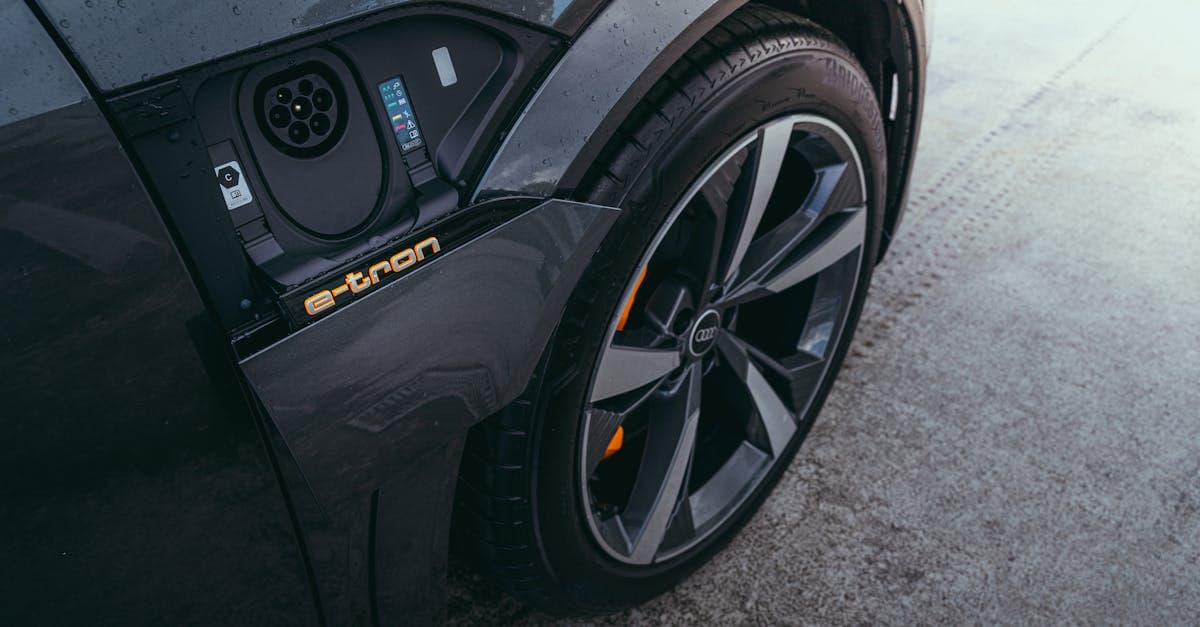
Used electric vehicles are one of the clearest examples of uneven pricing. Many mainstream EVs have depreciated faster than comparable gas vehicles due to rapid new-model price cuts, battery warranty concerns, and buyer uncertainty about charging access. A buyer shopping a 2023 Hyundai Kona Electric or Nissan Leaf may find a significantly steeper discount than they would on a comparable hybrid crossover. That creates opportunity, but only if home charging and battery health make sense for your situation.
Meanwhile, hybrids continue to hold strong value. Toyota Prius, RAV4 Hybrid, and Honda CR-V Hybrid models often attract quick interest because they reduce fuel costs without requiring charging infrastructure. Compact pickups and practical Japanese SUVs also tend to stay expensive because supply remains thinner than demand.
Pros of shopping softer segments:
- Better negotiating room
- More listings staying active longer than 30 days
- Higher chance of finding certified pre-owned incentives
- Lower resale value later if market sentiment weakens further
- Potential technology concerns, especially with older EVs
- Insurance costs can offset a low purchase price
How Financing Costs Are Shaping Buying Decisions in 2026
Financing is one of the biggest reasons used car affordability still feels strained in 2026. Even if sticker prices soften by a few percentage points, borrowing costs can erase that savings fast. Many buyers who once focused on finding the lowest sale price are now finding that APR matters just as much as the negotiated number on the windshield.
For example, consider a $28,000 used SUV financed over 60 months. At 4% APR, the payment is roughly $516 per month. At 8%, it jumps to about $568. That is more than $3,000 in added cost over the life of the loan. On a tighter household budget, that difference can be the line between a manageable payment and a financial headache.
This is why lender shopping matters more than ever. Credit unions often beat dealership-arranged loans, especially for borrowers with strong credit. Buyers with scores above 720 may still find materially better offers outside the showroom, while subprime borrowers can face sharply higher rates and stricter loan-to-value rules.
A practical strategy in 2026 is to buy slightly older but structurally reliable vehicles rather than stretching for the newest model year. A 5-year-old Honda Accord with a clean service history may offer a better ownership equation than a 2-year-old model financed at a higher amount.
What buyers should do before shopping:
- Get preapproved from at least two lenders
- Set a total out-the-door budget, not just a monthly payment target
- Compare loan term tradeoffs; 72-month loans reduce payments but increase risk
- Check insurance quotes before committing
Where the Best Buying Opportunities Are: Dealers, Private Sellers, and Certified Used Cars
In 2026, the best place to buy a used car depends less on ideology and more on your risk tolerance. Private-party deals can still produce the lowest purchase prices, but dealer inventory has improved enough that shoppers can now compare channels more strategically instead of grabbing the first acceptable car they find.
Franchise dealers remain strong for late-model inventory, especially lease returns and certified pre-owned vehicles. A certified used car usually costs more upfront, but it can be worth the premium when it includes a manufacturer-backed warranty, roadside assistance, and a documented inspection process. That matters in a market where repair costs have climbed along with parts and labor rates.
Independent dealers can be a mixed bag. Some offer excellent value on older vehicles and local trade-ins, while others rely on aggressive financing markups and minimal reconditioning. The key is to evaluate the specific store, not just the category.
Private-party purchases still shine when the seller has maintenance records, a clear title, and realistic pricing. Imagine buying a 2018 Mazda CX-5 from its original owner with 78,000 highway miles, documented oil changes, and recent tires. That kind of listing can outperform many dealer alternatives if you pay for a prepurchase inspection.
The tradeoffs are straightforward:
- Dealer pros: more inventory, financing options, warranty availability, easier paperwork
- Dealer cons: fees, add-ons, and less pricing flexibility on desirable models
- Private seller pros: lower prices, clearer ownership history in some cases
- Private seller cons: no warranty, more fraud risk, financing can be harder
What Smart Buyers Are Checking Before They Make an Offer
A smarter used car purchase in 2026 starts long before the test drive. Buyers who save the most money are often the ones who eliminate bad options early by using data, not instinct. Vehicle history reports still matter, but they are not enough on their own. Clean history does not guarantee a clean car, especially when maintenance was deferred or damage went unreported.
Start with market pricing tools and compare at least 10 similar listings within a reasonable radius. Look for patterns in days on market. If a car has been listed for 45 days while similar examples are selling in two weeks, there is usually a reason. Sometimes it is overpriced. Sometimes it is hiding cosmetic or mechanical issues.
Then verify the details that affect true value:
- Tire age and tread depth
- Brake life remaining
- Service records for transmission, coolant, and major scheduled work
- Number of keys included, because replacements can cost hundreds of dollars
- Open recalls and whether they have been completed
Key Takeaways: Practical Tips for Buying a Used Car in 2026
If you want to buy well in 2026, think like a patient analyst rather than an emotional shopper. The market is no longer wildly distorted, but it still punishes rushed decisions. Buyers who compare segments, financing sources, and ownership costs are consistently getting better results than those who chase the newest badge for the lowest monthly payment.
Here are the practical rules worth bookmarking:
- Shop by total cost of ownership, not just purchase price. Fuel, insurance, tires, taxes, and financing matter.
- Be flexible on color, trim, and even brand. The biggest savings often come from avoiding the most in-demand configuration.
- Consider 4- to 6-year-old vehicles with strong maintenance histories. This is often the sweet spot between depreciation and reliability.
- Treat hybrids as premium assets. If you want one, move quickly when a well-priced example appears.
- Approach used EVs with more analysis, not fear. Check battery warranty coverage, charging options, and insurance before buying.
- Always price your financing in advance. Dealer financing may be convenient, but convenience is not the same as value.
- Budget for immediate post-purchase costs such as fluids, filters, alignment, or tires.
Conclusion
The used car market in 2026 offers more opportunity than buyers have seen in several years, but it still rewards preparation over optimism. Prices are softer in some segments, especially certain EVs, while hybrids, practical SUVs, and reliable trucks continue to hold their value. Add in elevated financing costs, dealer fees, and uneven vehicle quality, and the difference between a smart purchase and a costly mistake can be substantial. Your next step is simple: set a full out-the-door budget, secure preapproval, identify two or three target models, and refuse to skip the inspection. If you shop with data instead of pressure, you can find a vehicle that fits both your lifestyle and your finances without overpaying.
Published on .
Share now!
PD
Penelope Dean
Author
The information on this site is of a general nature only and is not intended to address the specific circumstances of any particular individual or entity. It is not intended or implied to be a substitute for professional advice.