Published on:
11 min read
Small Trucks Are Booming: Key Trends Shaping 2026
Small trucks are no longer niche workhorses bought only by contractors or rural drivers. In 2026, they sit at the intersection of affordability, practicality, fuel efficiency, and lifestyle appeal, giving buyers a compelling alternative to both compact SUVs and full-size pickups. This article breaks down the market forces behind the boom, from shifting buyer demographics and rising ownership costs to electrification, hybrid systems, and software-driven features that are redefining what a small truck can do. You will also find real model examples, a comparison of the leading players, pros and cons buyers should weigh, and practical advice for choosing the right truck based on commuting, weekend hauling, towing, and long-term value. If you want to understand where the segment is heading before you buy, lease, or invest in this market, this guide gives you the context and details that actually matter.

- •Why small trucks are suddenly at the center of the market
- •The economics behind the boom: affordability, fuel costs, and ownership math
- •The 2026 competitive landscape: which models are defining the segment
- •Electrification, hybrids, and software are changing what buyers expect
- •Who is buying small trucks now, and how that is reshaping design
- •Key takeaways for buyers: how to choose the right small truck in 2026
- •Conclusion: why the small-truck boom looks durable beyond 2026
Why small trucks are suddenly at the center of the market
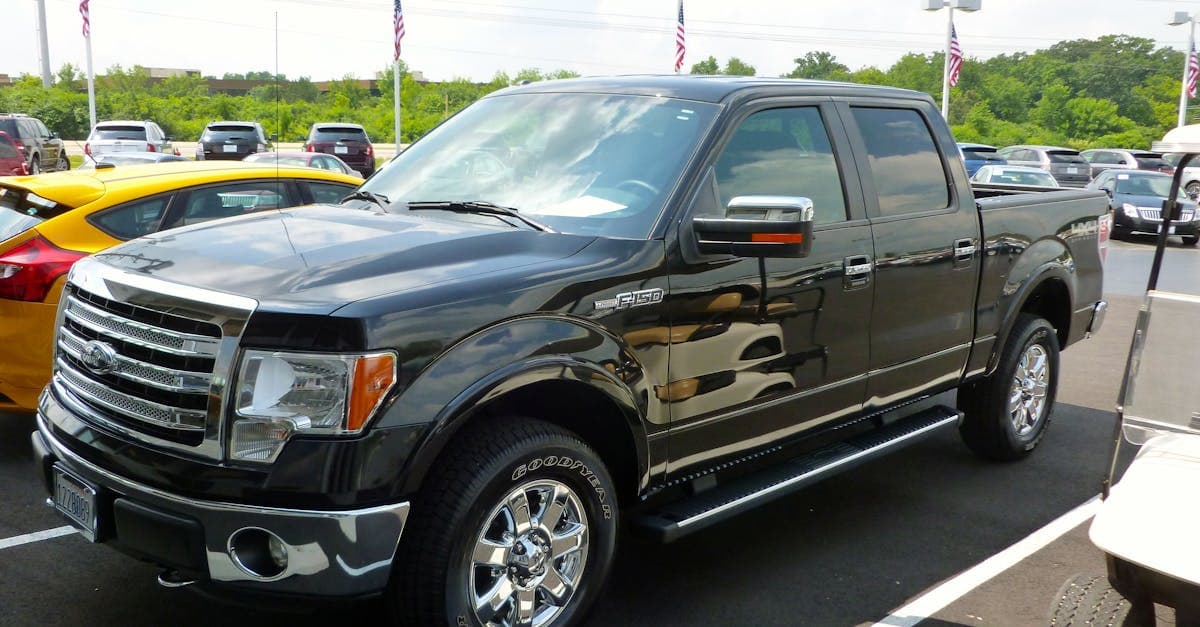
The small-truck boom in 2026 is not happening by accident. It is the result of several pressures hitting buyers at once: high vehicle prices, expensive fuel in many regions, crowded cities, and a growing need for one vehicle that can handle commuting during the week and home-improvement or recreation duties on weekends. In the U.S., the average new vehicle transaction price has remained near the upper $40,000 range in recent years, which has pushed many shoppers away from full-size pickups that easily climb past $55,000 when equipped with modern safety and comfort features. Small trucks look like a compromise on paper, but for many households they are becoming the smarter default.
The clearest signal is how quickly compact and midsize pickups have moved from secondary choices to mainstream alternatives. Vehicles such as the Ford Maverick, Hyundai Santa Cruz, Toyota Tacoma, Chevrolet Colorado, and Nissan Frontier have expanded the segment’s reach. The Maverick in particular proved there was enormous demand for a lower-cost truck with hybrid efficiency and city-friendly dimensions. Once buyers realized they could get a usable bed, decent payload, and easier parking without stepping into a bulky half-ton pickup, the category stopped feeling like a niche.
Why this matters is simple: the small truck solves a problem modern buyers actually have. They do not always need to tow 10,000 pounds. They need versatility. The 2026 buyer is often balancing budget, fuel bills, driveway space, and family use. Small trucks match that reality better than the oversized pickups that dominated the last decade.
The economics behind the boom: affordability, fuel costs, and ownership math
The strongest argument for small trucks is not emotional, it is financial. Ownership costs now shape vehicle decisions more than ever, especially with insurance premiums, borrowing costs, and repair expenses staying elevated. A compact or midsize truck can save buyers thousands over a five-year period compared with a full-size pickup, even before fuel is factored in. For many shoppers, that math matters more than image or maximum towing numbers.
Take a simple real-world scenario. A buyer comparing a hybrid Ford Maverick returning around the low- to mid-30 mpg range with a full-size gas pickup returning roughly 20 to 24 mpg in mixed driving could save hundreds of dollars annually in fuel alone at 12,000 to 15,000 miles per year. Add lower tire costs, easier parking that reduces minor damage risk, and often lower starting prices, and the gap widens fast. For small businesses running two or three vehicles, that difference can meaningfully improve margins.
There are tradeoffs, of course:
- Pros: lower purchase price, better fuel economy, lower total operating cost, easier urban maneuverability
- Cons: lower max towing and payload, smaller rear-seat space in some models, fewer heavy-duty configurations
The 2026 competitive landscape: which models are defining the segment
The small-truck market in 2026 is more diverse than it was even three years ago. Buyers can now choose between compact unibody trucks aimed at daily usability and midsize body-on-frame models built for towing, off-road work, and heavier payloads. That split matters because it changes how shoppers compare vehicles. The best truck is no longer the one with the biggest spec sheet. It is the one that best matches the owner’s actual use.
The Ford Maverick continues to shape the compact end of the market because it normalized the idea of a fuel-efficient truck for first-time pickup buyers. The Hyundai Santa Cruz appeals to customers who want truck utility without giving up crossover-like ride quality. On the midsize side, the Toyota Tacoma remains a benchmark thanks to reputation and resale value, while the Chevrolet Colorado and GMC Canyon have pushed hard on power, tech, and trim variety. The Nissan Frontier still wins buyers who value simpler mechanicals and a more straightforward ownership experience.
A practical way to view the market is by use case rather than badge loyalty. If most driving is city commuting with occasional hardware-store runs, compact trucks make more sense. If regular towing, rough job sites, or trail use are part of the picture, a midsize truck is often worth the extra cost. That is where many shoppers get it wrong: they buy excess capability and pay for it every month.
The comparison below highlights how the major choices differ in positioning, not just size.
| Model | Type | Typical Strength | Potential Tradeoff |
|---|---|---|---|
| Ford Maverick | Compact unibody | Excellent efficiency and value | Lower towing and smaller bed than midsize rivals |
| Hyundai Santa Cruz | Compact unibody | Comfortable ride and upscale feel | Less traditional truck character |
| Toyota Tacoma | Midsize body-on-frame | Resale value and off-road credibility | Higher pricing in popular trims |
| Chevrolet Colorado | Midsize body-on-frame | Strong power and broad trim range | Can get expensive quickly |
| Nissan Frontier | Midsize body-on-frame | Straightforward design and solid value | Less cutting-edge interior tech |
Electrification, hybrids, and software are changing what buyers expect
One reason small trucks are booming in 2026 is that they are becoming technology platforms, not just utility tools. Hybrid powertrains have already proved their appeal in this segment because they deliver an immediate benefit buyers can feel every week at the pump. The success of hybrid compact trucks has also changed expectations across the market. Shoppers now ask why every small truck cannot deliver strong low-end torque, better city mileage, and lower operating costs.
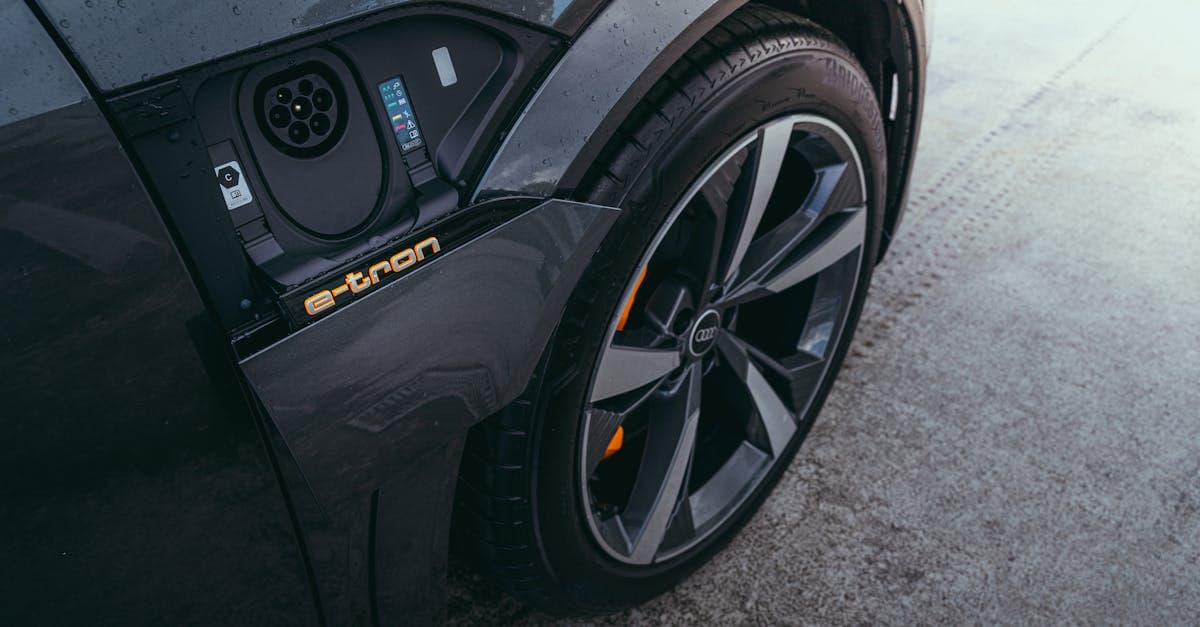
Fully electric small trucks remain an emerging story rather than a settled one, but the direction is clear. Fleet operators and urban tradespeople are especially interested in EV pickups because daily routes are predictable and electricity can be cheaper than gasoline or diesel depending on region and charging access. For them, instant torque and lower maintenance are not abstract benefits. They are operational advantages.
Software is the quieter revolution. In 2026, buyers increasingly care about over-the-air updates, trailer-assist cameras, integrated navigation that understands charging or towing, and apps that can precondition the cabin or monitor vehicle health. These features matter because small trucks are often purchased as all-purpose vehicles. Owners want the convenience of a modern crossover with the utility of a pickup.
Still, the tech shift has downsides:
- Pros: better efficiency, smarter safety systems, improved drivability, potential maintenance savings on electrified models
- Cons: higher upfront prices, more complexity, uncertain long-term battery values in some segments, subscription fatigue for software features
Who is buying small trucks now, and how that is reshaping design
The stereotype of the small-truck buyer is badly outdated. In 2026, the customer base is much broader: young professionals priced out of larger pickups, suburban families replacing a second SUV, small-business owners controlling expenses, and active-lifestyle buyers who need bikes, camping gear, or home-improvement supplies moved without renting a trailer. This wider audience is changing what manufacturers prioritize in design and packaging.
Interior quality is the clearest example. A decade ago, smaller trucks often felt like stripped-down tools. Today, buyers expect large touchscreens, wireless smartphone connectivity, advanced driver-assistance systems, rear-seat comfort, and clever in-cabin storage. Rear under-seat bins, bed power outlets, multi-position tailgates, and integrated tie-down systems are not gimmicks anymore. They directly affect whether the truck works for family routines and weekend projects.
Safety has become another competitive battleground. Features such as automatic emergency braking, blind-spot monitoring, adaptive cruise control, and lane-centering are increasingly expected even on lower trims. Why it matters: small trucks attract many buyers who are downsizing from SUVs but do not want to sacrifice daily comfort or security.
This changing buyer mix creates both opportunities and risks for automakers:
- Pros for buyers: more choice, better interiors, improved ride quality, more everyday-friendly configurations
- Cons for buyers: higher trim creep, fewer truly basic low-cost models, option packages that can inflate monthly payments quickly
Key takeaways for buyers: how to choose the right small truck in 2026
If you are shopping this segment in 2026, the smartest move is to start with your actual weekly usage, not the most impressive brochure claims. Many buyers overpay for towing, off-road hardware, or luxury packages they rarely use. A small truck can be an excellent purchase, but only if its strengths match your real life. Think in terms of commute length, parking conditions, passenger needs, cargo habits, and how often you will tow anything meaningful.
Use this practical checklist before you test-drive:
- If you drive mostly in urban or suburban areas, prioritize fuel economy, turning radius, and bed accessibility over raw towing capacity.
- If you tow regularly, verify real payload and tow ratings for the exact trim and drivetrain, not just the headline number from ads.
- If this is also a family vehicle, sit in the rear seat for ten minutes and check child-seat fit, door opening angle, and cabin storage.
- If you plan to keep the truck for six to eight years, research resale value, warranty coverage, and owner-reported reliability trends.
- If you are considering hybrid or electric options, map charging or fueling behavior honestly. Convenience beats theory.
Conclusion: why the small-truck boom looks durable beyond 2026
The rise of small trucks is more than a temporary reaction to high prices or fuel costs. It reflects a deeper shift in what buyers value: efficiency over excess, versatility over image, and real-world usability over inflated capability numbers. Models like the Maverick, Santa Cruz, Tacoma, Colorado, and Frontier each show a different path forward, but they all point to the same conclusion. Buyers want pickups that fit modern life, not just old truck marketing narratives.
If you are considering one, your next step is simple. Define your true needs, compare total ownership costs, and test-drive both compact and midsize options back to back. Pay close attention to seat comfort, bed practicality, fuel economy, and dealer pricing transparency. The small truck that wins in 2026 will be the one you can live with easily every day, not the one with the biggest numbers on paper. That is exactly why this segment’s momentum is likely to continue.
Published on .
Share now!
JM
Jackson Miller
Author
The information on this site is of a general nature only and is not intended to address the specific circumstances of any particular individual or entity. It is not intended or implied to be a substitute for professional advice.