Published on:
11 min read
Police Impound Car Auctions: Trends, Tips, and Risks
Police impound car auctions attract bargain hunters with the promise of vehicles priced far below dealership retail, but the reality is more nuanced. Some buyers do walk away with solid transportation at a steep discount, especially when they understand how local governments dispose of seized, abandoned, or unclaimed vehicles and how online bidding platforms have changed the market. Others overpay for cars with hidden mechanical issues, title complications, or repair bills that erase any apparent savings. This guide breaks down the current trends shaping police impound auctions, including the shift to digital bidding, rising competition from resellers, and the growing importance of VIN research. It also covers practical bidding tactics, inspection strategies, common legal and financial risks, and the exact steps smart buyers take before placing a bid, so you can decide whether these auctions are an opportunity worth pursuing or a costly gamble to avoid.

- •Why police impound auctions are drawing more buyers
- •How these auctions work and what buyers often misunderstand
- •Current pricing trends and where the real deals still exist
- •Smart bidding strategies that reduce expensive mistakes
- •The legal, title, and mechanical risks buyers cannot afford to ignore
- •Key takeaways and practical tips for buying with confidence
- •Conclusion
Why police impound auctions are drawing more buyers
Police impound auctions used to feel like a niche corner of the car market, dominated by dealers, tow-yard regulars, and mechanics looking for cheap inventory. That has changed. Over the last several years, more municipalities have moved listings online, and platforms such as GovDeals, PropertyRoom, and regional auction partners have made browsing inventory much easier for everyday buyers. Instead of showing up at a yard at 7 a.m. and hoping for the best, buyers can now monitor lots from a phone, compare VIN histories, and set bidding limits in advance.
The appeal is obvious. A car that might retail for $8,000 on a used lot could appear at auction with an opening bid under $2,000. In some cases, former fleet sedans, repossessed vehicles, or unclaimed cars are sold simply because agencies need space, not because the vehicle is worthless. That pricing gap is what fuels interest. It is also what fuels unrealistic expectations.
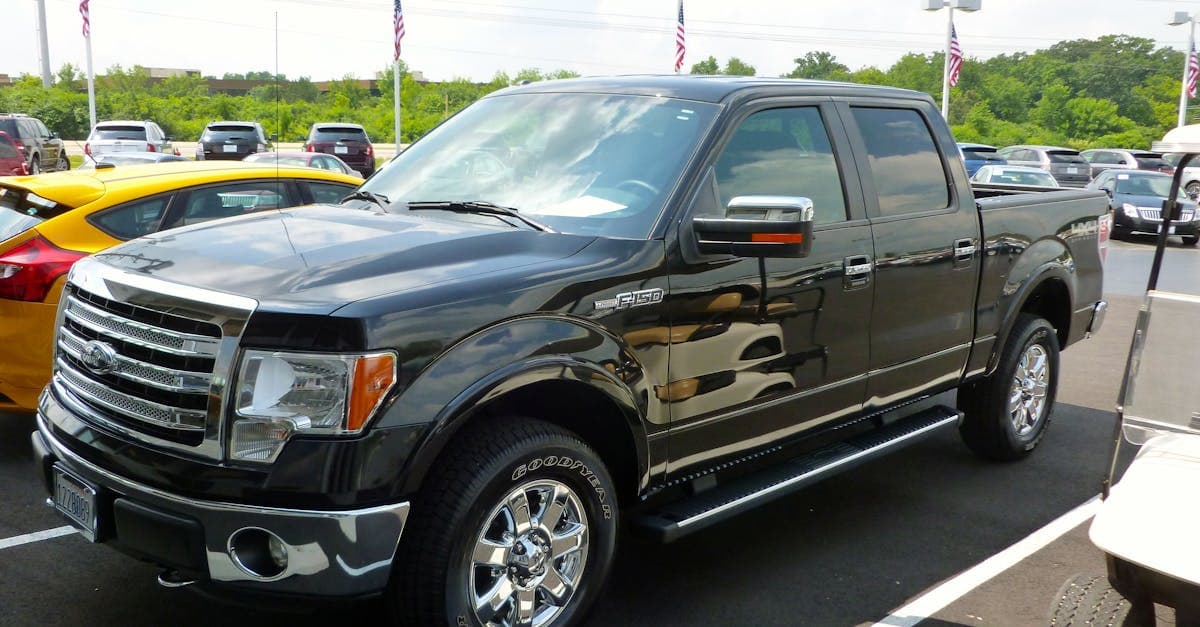
One important trend is increased competition from small resellers. Many flippers now use software alerts and bid aggressively on common, easy-to-resell models such as Toyota Camrys, Honda Civics, Ford F-150s, and compact SUVs. That means the best deals often disappear fast. Another trend is condition divergence. Late-model impound vehicles may need only cosmetic work, while older seized cars may have sat for months with no maintenance.
Why this matters: a buyer entering today’s market is not stepping into a hidden secret. It is a more transparent but also more competitive environment. The opportunity still exists, but it favors people who treat the auction like research-driven buying, not treasure hunting.
How these auctions work and what buyers often misunderstand
Police impound auctions are not one single system. The process varies by city, county, state, and auction contractor. Some sales are run directly by municipal agencies, while others are handled by towing companies or third-party auction firms. Vehicles may come from arrests, abandoned vehicle tows, unpaid storage cases, forfeitures, or simply cars that were never claimed after being impounded. That distinction matters because the source can affect paperwork, title status, and vehicle condition.
A common misunderstanding is that every impounded car is a bargain. In reality, the auction format transfers most of the risk to the buyer. Vehicles are usually sold as-is, where-is, with no warranty and limited inspection time. In many auctions, you cannot test-drive the car, and sometimes you cannot even start it. If a battery is dead, the interior smells like mildew, or the check engine light is on, that becomes your problem after the hammer falls.
Buyers also underestimate add-on costs. A winning bid of $3,200 can quickly become $4,100 after buyer’s premiums, documentation fees, towing, temporary registration, taxes, and immediate repairs. In one realistic scenario, a bidder wins a 2014 Nissan Altima for $2,900, pays a 10 percent buyer fee, spends $175 on towing, $220 on title and registration costs, then discovers the transmission slips under load. Suddenly the cheap car is no longer cheap.
Pros buyers should recognize:
- Potentially lower acquisition cost than dealership pricing
- Access to fleet and unclaimed vehicles
- Public records often make the process more transparent than private-party deals
- No warranty or return policy
- Limited inspection access
- High likelihood of deferred maintenance or hidden damage
Current pricing trends and where the real deals still exist
The biggest myth about police impound auctions is that every car sells for pennies on the dollar. That can still happen, but it is much less common than online videos suggest. Data from broader wholesale and used-vehicle markets helps explain why. During the last few years, used car prices surged, then cooled from their peak, but demand for affordable transportation has remained stubbornly strong. When a running compact car enters an auction with a clean title and visible cosmetic wear only, multiple bidders notice.
The strongest pricing tends to cluster around practical vehicles under the $10,000 retail range. Sedans with strong reliability reputations, compact SUVs, and basic pickup trucks attract heavy bidding because they appeal to commuters, delivery drivers, and resellers. The real bargains are more likely to appear in less glamorous segments: older municipal fleet vehicles, high-mileage models with ugly paint but sound drivetrains, or cars with minor body damage that scares off inexperienced bidders.
For example, a retired city-owned Ford Taurus with 140,000 miles and complete maintenance decals may outperform a flashier seized BMW with 95,000 miles and no service history. A cosmetically rough Toyota Prius from a parking enforcement tow may still make financial sense if the hybrid battery checks out and the title is clear. What matters is not the discount from an imaginary retail sticker, but the total cost after repairs.
A useful benchmark is this: if your all-in cost after fees and first repairs lands at 20 to 30 percent below comparable private-party pricing, that is often a solid auction result. Below that, you likely found a true deal. Above that, you may simply have bought a riskier car in a noisier environment. The best buyers compare against real local listings, not wishful bargain math.
Smart bidding strategies that reduce expensive mistakes
Successful auction buyers do most of their work before they ever bid. The simplest edge is preparation. Start with the vehicle identification number and run a history report if one is not already posted. Then search open recall databases, state title branding records if available, and recent market comps on local classified sites. If a similar vehicle is selling privately for $6,500 in your area, your maximum bid should reflect fees, transport, registration, and a realistic repair budget, not just the fantasy of winning cheaply.
Inspection day matters more than many beginners realize. Bring a flashlight, tread gauge, paper towels, a portable jump pack if allowed, and an OBD-II scanner if the auction rules permit plug-in checks. Look for flood clues such as moisture under carpet edges, corrosion in seat brackets, silt in the spare tire well, or mismatched interior electronics. Check oil level and color, inspect transmission fluid where accessible, and look for uneven panel gaps that suggest collision repairs.
A disciplined ceiling bid is essential. Many buyers lose money in the final two minutes because they anchor on the current bid instead of the final cost. A practical formula is maximum resale or replacement value minus fees, minus known repairs, minus a contingency reserve of at least 10 to 15 percent.
Practical tips:
- Focus on one or two target models you understand well
- Avoid emotional bidding on luxury brands with unknown maintenance histories
- Budget towing in advance because many auctions require removal within 24 to 48 hours
- Verify whether you need cash, certified funds, or immediate electronic payment
The legal, title, and mechanical risks buyers cannot afford to ignore
The three biggest risks in police impound auctions are title problems, mechanical surprises, and compliance costs after purchase. Title status is the first issue to verify because it determines whether you can legally register, insure, and later sell the vehicle. Some cars transfer with a clean title, others with salvage or rebuilt branding, and some may require additional state paperwork before registration. In certain jurisdictions, buyers receive only a bill of sale initially and must complete extra steps with the motor vehicle agency.
Mechanical risk is the most obvious but not always the most expensive. A non-running car might only need a starter, but it could also have a seized engine. A vehicle with a smooth idle might still hide a slipping transmission, frame rust, or electrical damage from prior theft. Catalytic converter theft has become a recurring issue in impounded inventory, especially on older trucks and hybrid models. Replacing emissions equipment can cost far more than inexperienced buyers expect.
Then there are compliance and post-sale obligations. Some states require emissions or safety inspections before registration. If the vehicle fails, you are paying for repairs before it ever becomes road legal. Insurance can also be trickier on salvage-branded vehicles, and lenders typically will not finance auction purchases, so buyers need liquid cash.
Major risks to evaluate:
- Branded or delayed title transfer
- Outstanding keys, immobilizer, or reprogramming costs
- Emissions failures or state inspection issues
- Storage deadlines that trigger extra fees if you do not remove the car quickly
Key takeaways and practical tips for buying with confidence
If you are considering a police impound auction, the best mindset is cautious optimism. There are legitimate deals, but they usually go to buyers who treat the process like underwriting a risky asset, not impulse shopping. Your goal is not simply to win a car. Your goal is to acquire usable transportation or resale inventory at a total cost that still makes sense after friction, fees, and failures.
Start with a shortlist of dependable models with abundant parts availability and predictable repair costs. Think older Hondas, Toyotas, certain Ford fleet sedans, and common domestic pickups with simple drivetrains. Avoid unfamiliar European luxury vehicles unless you already understand their maintenance profile. A low winning bid on a premium badge can turn into a very expensive lesson.
Use this checklist before bidding:
- Confirm title type and release paperwork
- Estimate buyer’s premium, tax, towing, and registration costs
- Check market value using local listings, not national averages alone
- Build a repair reserve before the auction begins
- Attend preview hours and inspect in person whenever possible
- Walk away if the bidding exceeds your pre-set ceiling
Conclusion
Police impound car auctions can offer genuine value, but only when buyers understand the current market, calculate total ownership cost, and respect the risks hidden behind low opening bids. The most important next steps are practical: research local auction rules, study a handful of target models, inspect vehicles in person when possible, and decide your maximum bid before the auction starts. Treat title verification, towing logistics, and repair reserves as mandatory, not optional. If a vehicle’s paperwork is unclear or the numbers stop making sense, walk away. The best auction buyers are not the boldest bidders. They are the most selective. Approach impound auctions with discipline instead of excitement, and you will drastically improve your odds of finding a deal worth keeping.
Published on .
Share now!
RH
Ruby Harper
Author
The information on this site is of a general nature only and is not intended to address the specific circumstances of any particular individual or entity. It is not intended or implied to be a substitute for professional advice.