Published on:
10 min read
Car Parts Trends: What Drivers Need to Know in 2026
Car parts are changing faster than most drivers realize, and 2026 is shaping up to be a year where repair costs, supply chains, software integration, and electrification all collide. This article breaks down the trends that actually affect owners, from rising prices for advanced sensors and batteries to the growing importance of certified aftermarket parts, predictive maintenance tools, and repairability concerns in newer vehicles. You will also learn how tariffs, insurance requirements, and ADAS recalibration are reshaping what happens after even a minor accident. Rather than offering generic maintenance advice, this guide focuses on what matters in the real world: which parts are becoming more expensive, where OEM and aftermarket options make sense, how to avoid false savings, and what practical steps drivers can take now to protect reliability, resale value, and their repair budget over the next 12 months.
- •Why the car parts market in 2026 looks very different from five years ago
- •The rise of smart, software-linked parts and what that means for everyday repairs
- •OEM, aftermarket, remanufactured: which parts make sense in 2026
- •What parts are getting more expensive and harder to source
- •How EVs and hybrids are changing the replacement parts conversation
- •Key takeaways: how drivers can save money and avoid bad part decisions in 2026
- •Conclusion: the smartest drivers will treat parts decisions like financial decisions
Why the car parts market in 2026 looks very different from five years ago
The biggest mistake drivers make in 2026 is assuming car parts are still a simple matter of replacing worn components with similar ones at roughly predictable prices. That world is fading. A modern bumper may now house radar sensors, parking hardware, wiring harnesses, and camera mounts, which means a low-speed fender bender can trigger a four-figure repair instead of a cosmetic fix. According to recent collision industry reporting, advanced driver assistance systems have significantly increased the cost and complexity of routine repairs because parts often require calibration after installation, not just replacement.
Supply chains are more stable than they were in the peak disruption years of 2021 and 2022, but they are not truly back to normal. Drivers still see delays on specialty electronics, hybrid components, imported body parts, and brand-specific modules. In practice, that means your car may sit in a shop waiting for one small sensor while the labor estimate keeps growing.
At the same time, the average age of vehicles on U.S. roads has climbed above 12 years, which creates two competing trends. Older cars need more maintenance parts like suspension components, wheel bearings, alternators, and cooling system items. Newer cars need fewer mechanical repairs early on, but when they do fail, the parts are more expensive and software-dependent.
Why this matters is simple: car ownership is becoming less about basic wear and tear and more about planning. Drivers who understand which parts are vulnerable to inflation, delay, or software lock-in can budget better, avoid rushed decisions, and choose repairs that protect long-term value instead of just solving today’s problem.
The rise of smart, software-linked parts and what that means for everyday repairs
In 2026, many of the most important car parts are no longer purely mechanical. Batteries, headlights, steering systems, transmissions, infotainment units, and even seats can be linked to software, sensors, and networked control modules. This shift is especially obvious in vehicles with ADAS features such as lane centering, adaptive cruise control, blind-spot monitoring, and automatic emergency braking. Replace a windshield on many late-model vehicles, for example, and you may also need camera alignment and system recalibration before the safety features work correctly.
This trend creates clear benefits for drivers, but it also changes the economics of repair.
Pros:
- Better safety performance through more accurate sensing and system integration
- More predictive diagnostics, which can catch failures before they become breakdowns
- Improved efficiency in engines, hybrids, and EV drivetrains through smarter control systems
- Higher replacement costs for parts that now include sensors or embedded electronics
- Greater dependence on dealer-level tools or subscription-based diagnostic platforms
- More situations where a part cannot simply be swapped without coding or programming
OEM, aftermarket, remanufactured: which parts make sense in 2026
One of the most useful decisions a driver can make is choosing the right part category for the repair instead of reflexively saying yes to whatever a shop recommends first. In 2026, the gap between OEM and aftermarket quality is narrower in some categories and wider in others. Brake pads, filters, spark plugs, control arms, and radiators often have strong aftermarket options from established suppliers. On the other hand, sensors, cameras, engine management electronics, and certain transmission components can still be far riskier when sourced from unknown brands.
The smartest framework is not OEM versus aftermarket. It is part-by-part risk management. If a failure could affect safety systems, emissions compliance, software compatibility, or labor-intensive rework, paying more for OEM or a premium-tier supplier often makes sense. If the part is a commodity maintenance item with solid brand reputation and warranty support, aftermarket can be a cost-effective choice.
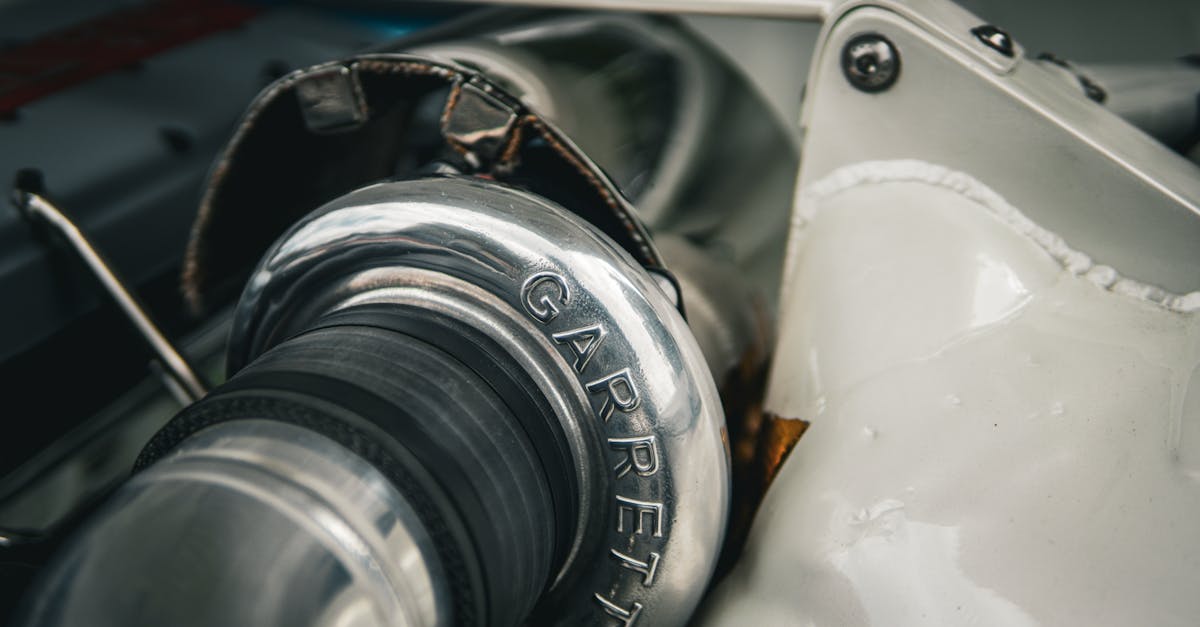
Here is where remanufactured parts are gaining ground. Starters, alternators, turbochargers, and some EV-related components are increasingly available as remanufactured units, which can lower cost and reduce waste. That matters as sustainability becomes more relevant in the auto sector and as parts prices remain elevated.
Pros:
- Aftermarket and remanufactured parts can cut repair bills by 20 to 50 percent in some categories
- Broader availability for older vehicles no longer prioritized by automakers
- More competition, which can improve warranty terms and consumer choice
- Quality varies sharply between premium brands and bargain imports
- Some insurance repairs still push toward the lowest-cost option, not the best long-term one
- Poor fitment can increase labor time and erase any initial savings
What parts are getting more expensive and harder to source
Not all car parts are rising in cost at the same pace. In 2026, the parts categories drivers should watch most closely are electronics, ADAS-related components, EV battery-adjacent hardware, catalytic converters, and large body assemblies that integrate technology. A damaged side mirror used to be annoying. On many current vehicles, it may now include blind-spot monitoring, cameras, heating elements, memory functions, and painted covers, pushing replacement costs far beyond what drivers expect.
The pressure comes from several directions. Raw material prices remain volatile, labor costs in manufacturing are higher than they were pre-2020, and global trade policy continues to influence imported components. On top of that, automakers are building more complex systems into fewer assemblies. When one piece fails, you often replace the whole unit.
For drivers trying to plan repairs, the following pattern is worth remembering:
- Mechanical maintenance parts are usually more available and price-competitive
- Model-specific electronics often have the longest delays and least pricing flexibility
- Parts for hybrids and EVs can require certified handling, which adds labor cost even when the part itself is available
How EVs and hybrids are changing the replacement parts conversation
Electric and hybrid vehicles are not just changing fuel costs. They are changing which parts fail, how often they fail, and who is qualified to replace them. EVs generally eliminate oil changes, timing belts, and many exhaust-related repairs, but they introduce a different parts profile: battery cooling components, onboard chargers, high-voltage cables, thermal management systems, and more specialized brake and suspension wear patterns due to vehicle weight.
For many drivers, the surprise is that lower routine maintenance does not always mean lower repair risk. A hybrid battery fan issue or coolant valve fault may be manageable. A damaged battery pack shield or charging control module is a very different story. Even non-catastrophic failures can require technicians with high-voltage certification, insulated tools, and manufacturer-specific procedures.
The upside is real.
- Fewer moving parts in EV drivetrains can reduce traditional engine-related breakdowns
- Regenerative braking often extends pad life significantly in urban driving
- Software diagnostics can identify performance issues earlier than on many older gas vehicles
- Battery-related parts remain expensive even when the full pack does not need replacement
- Independent repair options are still uneven depending on region and brand
- Insurance claims on EVs can escalate quickly if structural battery protection is involved
Key takeaways: how drivers can save money and avoid bad part decisions in 2026
The best way to handle car parts trends in 2026 is to be proactive before the breakdown, collision, or warning light happens. Drivers who wait until a tow truck is involved almost always pay more and have fewer choices. The good news is that a few disciplined habits can reduce both cost and stress.
Start with documentation. Keep digital records of maintenance, part numbers, battery age, tire purchases, and prior collision repairs. This makes warranty claims easier and helps you spot repeat failures. It also improves resale value because buyers are increasingly skeptical of cars with vague repair histories.
Next, build a smarter repair workflow:
- Get the exact part category listed on estimates: OEM, aftermarket, used, or remanufactured
- Ask whether calibration, coding, or software updates are included in the price
- For repairs over a meaningful threshold, get at least two quotes and compare warranty length, not just total cost
- Use reputable brands for brakes, tires, filters, ignition parts, and suspension components
- Be cautious with bargain electronics, sensors, and safety-related modules from unknown marketplaces
Conclusion: the smartest drivers will treat parts decisions like financial decisions
Car parts in 2026 are no longer just about fixing what broke. They are tied to software, safety systems, supply chain realities, and the long-term cost of owning a vehicle. That means drivers need a more strategic approach: know when OEM parts are worth the premium, where trusted aftermarket options can save real money, and why calibration and diagnostics matter as much as the part itself.
Your next step is simple. Review your vehicle’s current weak points, find one reputable shop before you need it, and start tracking maintenance and repair history more carefully. If you drive a newer vehicle, ask specifically about ADAS and software-related repair procedures. If you drive an older one, focus on preventive replacement of high-failure wear items. The drivers who stay informed, ask better questions, and budget realistically will save more money and avoid the most frustrating repair surprises.
Published on .
Share now!
OG
Olivia Grayson
Author
The information on this site is of a general nature only and is not intended to address the specific circumstances of any particular individual or entity. It is not intended or implied to be a substitute for professional advice.