Published on:
10 min read
Car Deals in 2026: Trends Shaping Buyer Choices
Car shopping in 2026 is no longer just about negotiating sticker price. Buyers are weighing rising insurance premiums, electric-vehicle incentives, subscription-style financing, dealer markups, software features, and rapidly changing used-car values before they ever visit a showroom. This article breaks down the forces reshaping car deals this year, from inventory normalization and interest-rate pressure to the growing importance of total cost of ownership and digital retail tools. You will find practical guidance on where discounts are actually appearing, how EV and hybrid pricing is changing, what financing traps to avoid, and which buyer strategies still work in a market that feels more transparent on the surface but remains complex underneath. If you want to make a smart purchase instead of simply chasing the lowest monthly payment, this guide will help you evaluate the real deal.

- •Why the 2026 car market feels different from the last few years
- •Financing is now as important as the sale price
- •EVs, hybrids, and gas cars are now competing on value, not just technology
- •Where the real discounts are showing up in 2026
- •Digital buying tools have made pricing clearer, but not necessarily simpler
- •Key Takeaways: how to get a better car deal in 2026
- •Conclusion
Why the 2026 car market feels different from the last few years
The biggest shift in 2026 is that buyers are no longer dealing with the extreme shortage conditions that defined much of 2021 through 2023, but the market has not fully returned to pre-pandemic normal either. New-vehicle inventory in the U.S. improved steadily through 2024 and 2025, and many mainstream brands entered 2026 with healthier days-of-supply levels, especially in compact SUVs, full-size pickups, and some EV segments. That matters because when inventory rises, dealers regain the ability to discount slow-moving models instead of defending every unit at or above MSRP.
At the same time, affordability remains strained. The average new-car transaction price has hovered around the upper $40,000 range in recent market tracking, while used cars remain historically expensive compared with 2019 benchmarks. Add financing costs that are still far above the ultra-low-rate era, and many households are approaching purchases more cautiously. A buyer comparing a $46,000 crossover at 7.2 percent APR versus 3.1 percent APR is looking at thousands of dollars in extra interest over a typical loan term.
This has changed behavior in practical ways. More shoppers are cross-shopping hybrids against traditional gas models, delaying luxury upgrades, and widening their search radius by 100 to 300 miles to find better-priced inventory. Dealers are also leaning harder on advertised rebates, loyalty cash, and special APR offers to move vehicles that have sat too long.
Why it matters: in 2026, the best deal is less about one magic negotiation script and more about reading which segments have supply pressure, which brands need volume, and where your financing profile gives you leverage.
Financing is now as important as the sale price
In 2026, many buyers are discovering that a good headline discount can be erased by expensive financing. A dealer might advertise $2,500 off MSRP, but if the loan carries a 7.9 percent APR instead of a credit-union preapproval at 5.4 percent, the total cost can swing dramatically. On a $40,000 loan over 72 months, that difference can add roughly $3,000 or more in interest, depending on taxes, fees, and down payment. That is why sophisticated shoppers now compare out-the-door price and financing structure together rather than treating them as separate decisions.
Manufacturers understand this. Expect 2026 promotions to lean heavily on captive-finance incentives such as 1.9 percent for 36 months, 3.9 percent for 60 months, or bonus cash tied to brand loyalty. These can be excellent offers, but only when buyers do the math. In many cases, you must choose between the low APR and the rebate. The cheaper option depends on loan size and term, not marketing language.
Pros of manufacturer-backed financing:
- Lower-than-market interest rates for qualified borrowers
- Simplified paperwork and faster approvals
- Extra incentives for repeat customers or lessees
- Short promotional terms that force high monthly payments
- Loss of rebate eligibility in exchange for special APR
- Pressure to add warranties or products into the financed amount
EVs, hybrids, and gas cars are now competing on value, not just technology
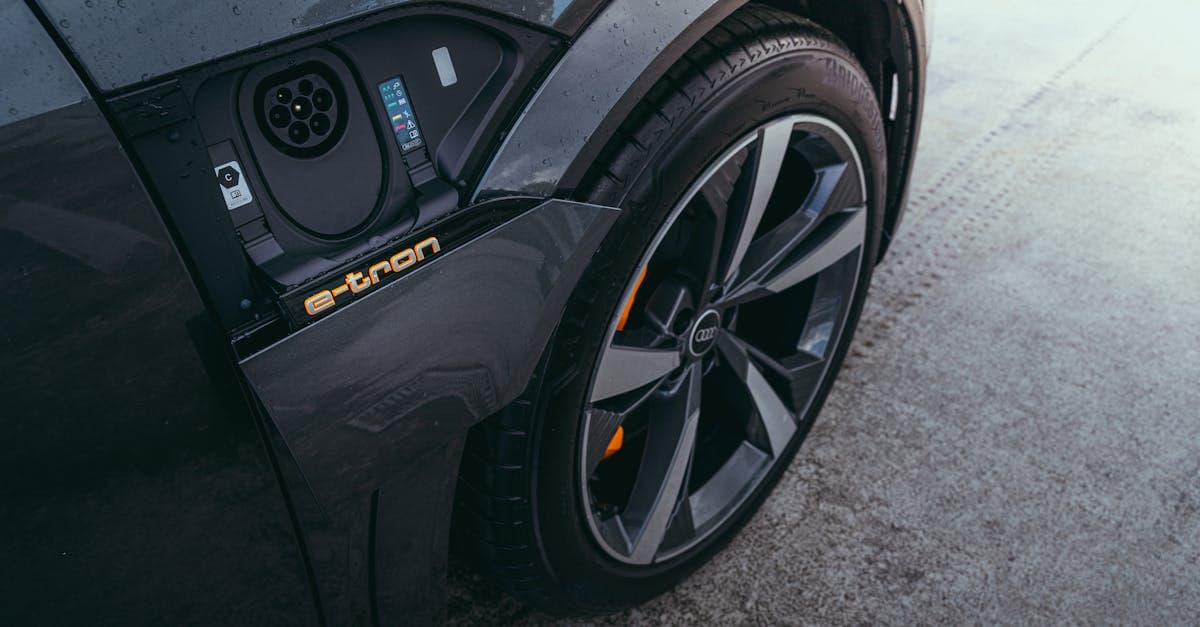
One of the most important 2026 buying trends is that electrified vehicles are entering the mainstream value conversation. A few years ago, many shoppers saw EVs as premium products and hybrids as niche efficiency plays. Today, that view is changing because price cuts, federal incentives where eligible, state rebates in select markets, and lower fuel costs have narrowed the ownership gap. Tesla’s repeated pricing resets influenced the entire market, while traditional automakers expanded hybrid lineups in response to buyers who wanted efficiency without charging concerns.
For example, a commuter driving 15,000 miles a year may find that a hybrid compact SUV with 40-plus mpg saves $900 to $1,400 annually in fuel versus a comparable gas-only model, depending on local fuel prices. In high-electricity-cost states, the EV savings equation may be weaker, while in regions with cheap off-peak charging, it can be much stronger. Insurance adds another wrinkle: some EVs cost more to insure because of repair complexity and battery-related parts costs.
Pros of EV and hybrid shopping in 2026:
- More incentives and manufacturer discounts than many buyers expect
- Better model variety across sedans, SUVs, and pickups
- Lower operating costs in the right use case
- EV resale values can be volatile after aggressive new-car price cuts
- Public charging reliability still varies by region
- Some hybrids command low discounts because demand remains strong
Where the real discounts are showing up in 2026
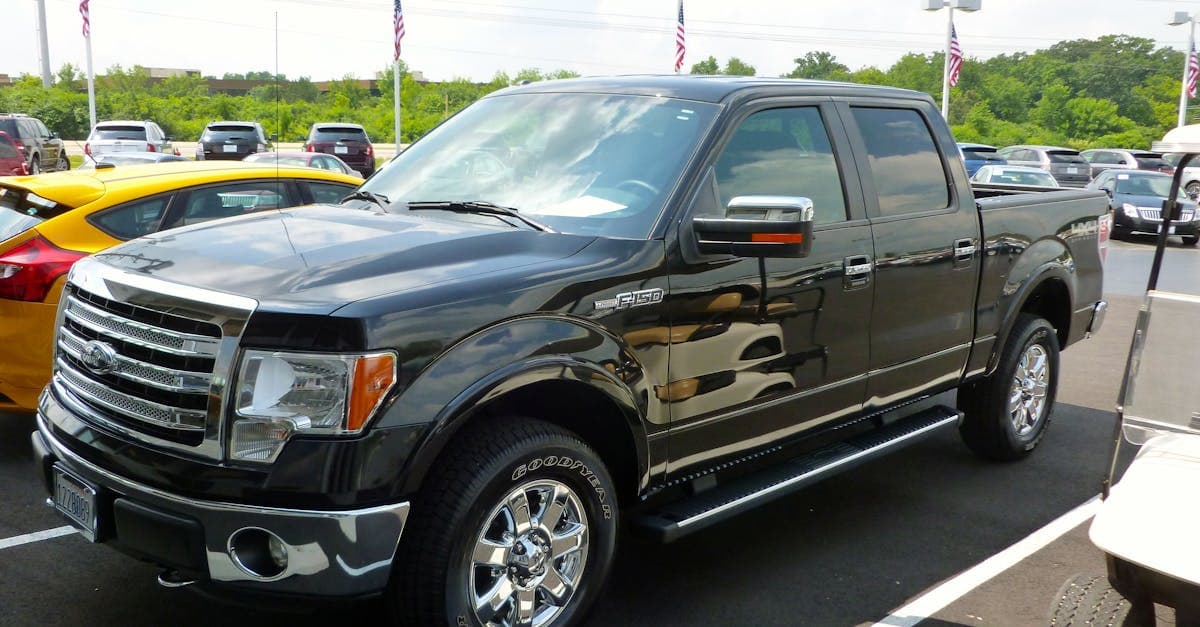
Not every segment is discounting equally, and that is where many buyers waste time. In 2026, the strongest deals are often found in categories where inventory has outrun demand or where brands are pushing hard for market share. Certain electric crossovers, full-size pickups, and midsize sedans have seen more aggressive incentives than high-demand hybrids or newly redesigned compact SUVs. This is especially true when dealers are carrying aging inventory built months earlier and floorplan costs are rising.
A practical pattern to watch is model-year timing. A 2025 vehicle still on a lot after the 2026 version arrives may not look dramatically different, but the dealer has a stronger reason to move it. Buyers willing to accept last year’s color or trim can save meaningfully without sacrificing warranty coverage. In some markets, the difference between a fresh-arrival model and an aging unit can be several thousand dollars once rebates and dealer discounting are layered together.
The trade-off is that inventory age alone does not guarantee a bargain. Popular hybrids, niche off-road trims, and limited-production performance vehicles may still command little to no discount.
Common discount opportunities in 2026 include:
- Outgoing model years with minimal feature changes
- EVs from brands trying to build market share quickly
- Higher trims with slower turnover than entry or mid trims
- Dealer demos with low mileage and full warranty start dates clearly disclosed
- Add-on packages that erase the advertised savings
- Low-price ads tied to unrealistic financing assumptions
- Vehicles with unusually high depreciation histories
Digital buying tools have made pricing clearer, but not necessarily simpler
Online retail tools are far better in 2026 than they were even three years ago. Most major dealer groups now let shoppers value a trade, apply for financing, reserve inventory, and request an out-the-door breakdown without stepping into the showroom. Price transparency has improved because buyers can compare listings across multiple ZIP codes in minutes. Platforms that show market-average pricing, vehicle history, and dealer fees have reduced some of the old information imbalance.
But transparency is not the same as simplicity. Many listings still spotlight the most flattering number rather than the final one. A price may include conquest cash, military rebate, lease loyalty, or financing through a specific lender. Shoppers who do not read the details can think one dealer is $2,000 cheaper when the real difference is closer to $400 once mandatory fees and eligibility assumptions are removed.
This is also where trade-ins can distort the deal. Some dealers overallow on the trade while holding firm on the new vehicle price. Others discount the car heavily but bid conservatively on your old one. The only reliable method is to separate each component:
- New-car selling price before taxes and fees
- Trade-in value from at least two outside sources
- Financing APR and term
- Optional products, including service contracts and wheel protection
Key Takeaways: how to get a better car deal in 2026
If there is one lesson from the 2026 market, it is that buyers need a wider definition of value. The cheapest monthly payment can hide the most expensive long-term decision, while a slightly higher purchase price may produce lower ownership cost if fuel economy, insurance, and resale are stronger. The practical edge comes from preparation, not showroom bravado.
Use these steps before signing anything:
- Get preapproved with a bank or credit union before visiting a dealer. This gives you a benchmark and often improves negotiation leverage.
- Ask for the out-the-door price in writing. That means vehicle price, documentation fee, taxes, registration, and any dealer-installed accessories.
- Compare total cost of ownership, not just MSRP. Include fuel or charging, insurance, maintenance, and projected depreciation for the first three to five years.
- Search beyond your immediate area. Expanding your radius even 150 miles can uncover better inventory and lower dealer fees.
- Be flexible on color and minor features if you want the best discount. Aging inventory often offers the strongest savings.
- For EVs and hybrids, verify tax credit eligibility and local charging costs before assuming the math works in your favor.
- Negotiate trade-in and purchase price separately so one number does not hide weakness in the other.
Conclusion
Car deals in 2026 are shaped by a mix of improving inventory, stubborn affordability pressure, more competitive EV and hybrid pricing, and financing costs that can make or break a purchase. That means the smartest buyers are looking past the advertised discount and evaluating the full picture: out-the-door price, APR, insurance, fuel costs, resale outlook, and model-specific demand. Your next step is simple: shortlist two or three vehicles, secure outside financing, request written OTD quotes, and compare total ownership cost over at least three years. Do that, and you will avoid the most common mistakes buyers make in a market that rewards preparation far more than impulse.
Published on .
Share now!
AW
Amelia West
Author
The information on this site is of a general nature only and is not intended to address the specific circumstances of any particular individual or entity. It is not intended or implied to be a substitute for professional advice.