Published on:
8 min read
Granny Pods Explained: The Growing Trend in Family Care
Granny pods are reshaping how families think about aging, caregiving, and living arrangements. These compact, accessory dwelling units built for older adults can reduce commutes for family caregivers, preserve independence, and offer a middle ground between full-time home care and assisted living. But they also come with real tradeoffs: zoning limits, upfront costs, and the emotional complexity of keeping generations close without crowding each other. This guide breaks down what granny pods are, how they compare with other care options, what they typically cost, and the practical realities families should consider before building or buying one. If you are weighing care for an aging parent or planning ahead for your own future, the goal is simple: help you make a decision that is safer, financially realistic, and sustainable for the whole household.

What a Granny Pod Actually Is
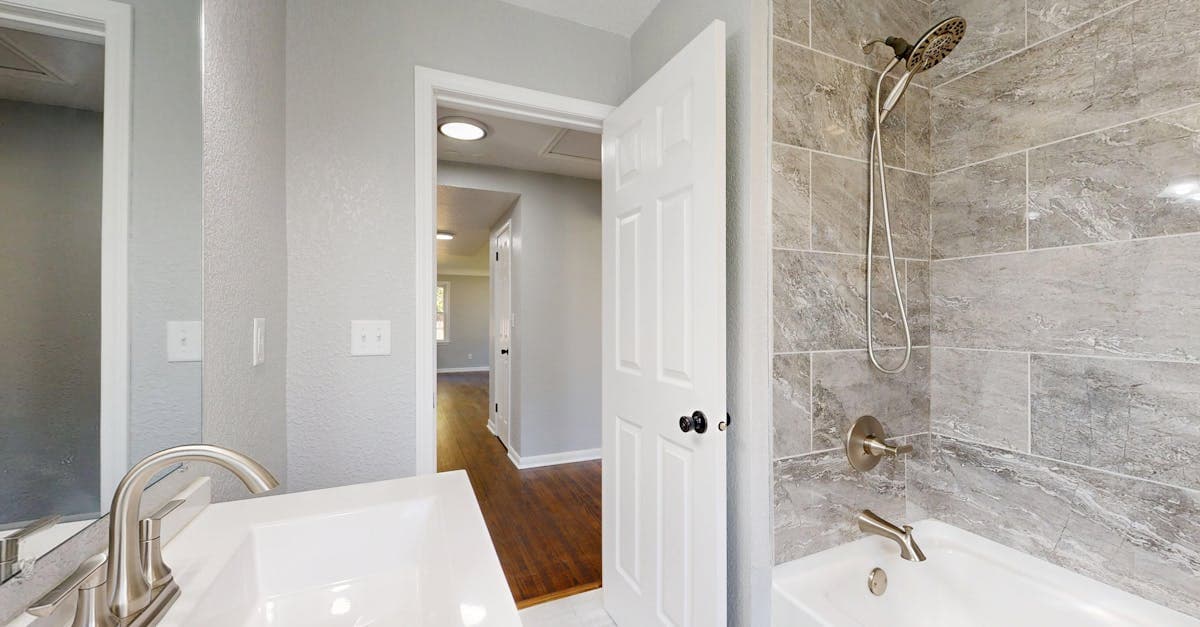
A granny pod is a small, self-contained living space designed for an older adult, usually placed in the backyard or on the same property as a family home. You may also hear terms like accessory dwelling unit, in-law suite, or backyard cottage, but granny pods are typically purpose-built with aging in mind. That means wider doorways, step-free entry, better lighting, slip-resistant flooring, and bathrooms that are easier to use safely. Some versions go further with features like medical alert systems, voice-activated controls, and room for a caregiver to visit or stay overnight.
The idea became more visible as families looked for alternatives to nursing homes and expensive assisted living. In the U.S., the Genworth Cost of Care Survey has repeatedly shown assisted living and in-home care costs rising faster than many household budgets can absorb. A granny pod can feel like a compromise, but it is really a different model of care: closeness without constant cohabitation. That matters because many families want to support aging parents without sacrificing privacy, routines, or dignity.
The strongest use case is usually not someone who needs round-the-clock skilled nursing. Instead, granny pods are often best for older adults who are mostly independent but need monitoring, convenience, and quick help if something goes wrong. Think of a parent with arthritis, mild mobility limits, or early-stage memory concerns who still wants control over meals, sleep schedule, and daily habits. In that setting, the pod can extend independence while giving the family peace of mind.
| Option | Typical Setup | Best For | Common Tradeoff |
|---|---|---|---|
| Granny pod | Small detached unit on family property | Older adults needing proximity and limited daily support | Upfront construction cost |
| In-law suite | Converted room or attached addition | Families with extra indoor space | Less privacy for both sides |
| Assisted living | Residential senior community | People needing meals, supervision, and social services | Ongoing monthly fees |
| In-home care | Care delivered in the main house | Seniors who can remain at home with support | Caregiver scheduling and travel burden |
Why Families Are Choosing Granny Pods Now
The popularity of granny pods is tied to two pressures happening at once: more older adults want to age in place, and more adult children are trying to avoid the burnout that comes with managing care from a distance. A 2024 AARP survey found that most adults over 50 prefer to remain in their own homes as they age, and that preference has filtered down into family planning. Granny pods answer a practical question: how do you keep a parent close enough to help without turning your own home into a full-time care facility?
The emotional appeal is obvious, but the operational benefits are what make families move forward. A parent can eat dinner with the family, see grandchildren daily, and receive help quickly after a fall or medication issue. At the same time, they still have a private front door, their own bathroom, and a space that does not feel like a spare bedroom in someone else’s house. For many older adults, that distinction protects self-esteem.
There are downsides, and families should be honest about them. Common pros and cons include:
- Pro: shorter response time in emergencies.
- Pro: more connection than a distant care arrangement.
- Pro: less disruption than moving to a facility.
- Con: property modification can be expensive.
- Con: family dynamics can become tense if boundaries are unclear.
- Con: the arrangement may not work if care needs become complex.
Costs, Financing, and the Hidden Expenses Families Miss
The most common mistake people make with granny pods is underestimating the total cost. A basic prefab unit can start around $80,000 to $150,000, but custom builds often climb to $200,000 or more once foundations, utility hookups, permits, and accessibility features are included. If the site requires grading, trenching, septic work, or tree removal, the price can rise quickly. A unit that looks affordable in a brochure may be 20% to 40% more expensive once it is installed.
Financing varies by project. Some families use home equity loans or lines of credit, others refinance, and some pay cash from savings. There are also situations where the project may be easier to justify financially than a long assisted living stay. For example, if assisted living costs $4,500 to $7,000 per month in a given market, a one-time construction expense can make sense over several years. But that math only works if the unit will be usable for a meaningful amount of time and the family can absorb maintenance costs.
Hidden expenses are where budgets get derailed. Expect possible costs for:
- Electrical upgrades and plumbing runs
- HVAC installation or expansion
- Accessible bathroom fixtures and grab bars
- Internet, security, and emergency monitoring systems
- Insurance adjustments and property tax changes
- Ongoing repairs, landscaping, and pest control
Zoning, Permits, and Family Compatibility
Before anyone falls in love with floor plans, they need to check local rules. Granny pods are usually regulated as accessory dwelling units, and ADU laws vary widely by city, county, and state. Some places have relaxed restrictions in recent years to support housing supply, while others still limit unit size, setback distance, parking, or whether a detached structure can be rented later. A project that is legal in one town may be impossible in the next.
Permits matter more than many families expect. Building without approval can create problems during resale, insurance claims, or future renovations. It is also worth asking whether the design must meet accessibility codes, energy standards, or fire separation requirements. If the pod is intended for an older adult, it is better to overbuild safety now than retrofit after a fall or emergency.
Compatibility is the other half of the equation. A granny pod works best when the family has already discussed boundaries. Who handles groceries? Who responds to nighttime calls? Can grandchildren visit freely, or are there quiet hours? These questions sound small, but they determine whether the arrangement feels supportive or suffocating.
The best setups usually have clear rules:
- Private space for the older adult
- Agreed-upon caregiving responsibilities
- A backup plan for medical escalation
- Defined expectations for guests, pets, and shared meals
- Written decisions about utilities and ongoing costs
Practical Tips for Deciding If a Granny Pod Is Right
The decision should start with care needs, not aesthetics. If your loved one is still independent but benefits from proximity, a granny pod may be a strong fit. If they need help with bathing, medication management, or frequent supervision, you may need to budget for added home care or consider a different setting. The key question is not whether a pod is appealing, but whether it can safely support the next three to five years of aging.
Use a simple decision checklist. First, assess the property: is there enough space, utility access, and zoning flexibility? Second, estimate the all-in cost against alternatives like assisted living, in-home care, or moving closer to family. Third, talk honestly about caregiving labor. A granny pod can reduce distance, but it does not eliminate work. Someone still needs to coordinate appointments, groceries, maintenance, and emergencies.
A few practical tips can prevent expensive surprises:
- Get a written zoning and permit opinion before signing contracts.
- Design for accessibility now, not later.
- Build in enough storage and natural light to avoid a cramped feel.
- Plan for future resale or repurposing.
- Put family responsibilities in writing, even if the relationship is close.
Key Takeaways and What to Do Next
Granny pods are gaining traction because they solve a real modern problem: families want older relatives to stay close, but they also want privacy, dignity, and a more manageable caregiving load. Done well, a pod can delay or even replace more expensive care settings for a period of time. Done poorly, it can become a costly structure that creates stress instead of relief.
The biggest takeaways are straightforward. First, granny pods work best for older adults who need support but not 24-hour skilled care. Second, the true cost is usually higher than the sticker price, so families should budget for permits, utilities, accessibility, and ongoing maintenance. Third, success depends as much on communication as construction. Clear boundaries, written responsibilities, and realistic expectations make the difference between a supportive arrangement and a strained one.
If you are considering one, start with three steps: confirm local zoning, compare the full cost with other care options, and have an honest family conversation about future needs. If you already know the arrangement may become long-term, design for flexibility so the unit can later serve another purpose. The right granny pod can be a practical, humane solution. The wrong one can be an expensive symbol of good intentions. Planning carefully gives you the best chance of getting the first version.
Published on .
Share now!
MC
Mia Collins
Author
The information on this site is of a general nature only and is not intended to address the specific circumstances of any particular individual or entity. It is not intended or implied to be a substitute for professional advice.