Published on:
10 min read
Why Epoxy Floor Coating Is Trending in Modern Homes
Epoxy floor coating has moved far beyond commercial garages and warehouses. In modern homes, it is becoming a practical design upgrade for garages, basements, mudrooms, home gyms, workshops, and even select interior living spaces because it combines durability, easy maintenance, and a sleek custom look that many traditional flooring options struggle to match. Homeowners are also drawn to its resistance to stains, moisture, impact, and chemicals, especially as more families use their homes as multifunctional spaces for work, fitness, storage, and entertaining. This article breaks down why epoxy flooring is gaining momentum, where it performs best, what it costs, the real pros and cons, and how to decide whether a DIY kit or professional installation makes more sense. If you want a floor that looks polished, lasts for years, and solves real household wear-and-tear problems, this guide will help you make a smarter decision.
- •Epoxy Flooring Has Shifted From Utility Upgrade to Design Statement
- •The Performance Benefits Homeowners Actually Notice Day to Day
- •Where Epoxy Works Best in a Modern Home and Where It Can Be a Mistake
- •What Epoxy Flooring Costs and Why Professional Prep Changes the Outcome
- •DIY vs Professional Installation: The Real Trade-Offs Behind the Trend
- •Key Takeaways: How to Decide If Epoxy Is the Right Upgrade for Your Home
- •Conclusion
Epoxy Flooring Has Shifted From Utility Upgrade to Design Statement
For years, epoxy floor coating was associated with auto shops, warehouses, and industrial spaces. That image has changed quickly. In modern homes, epoxy is now showing up in garages converted into gyms, basements turned into media rooms, mudrooms that handle wet boots and pet messes, and workshops where homeowners want a cleaner, more professional environment. The shift is partly aesthetic and partly practical. Homeowners increasingly want surfaces that perform well under stress but still look intentional, polished, and contemporary.
One reason epoxy is trending is that people are using every square foot of their house more strategically. A 2024 remodeling mindset favors flexible spaces over single-purpose rooms, and flooring matters when a garage doubles as a home gym or a basement serves as both storage and entertainment space. Bare concrete often feels unfinished, collects dust, stains easily, and can develop hairline cracks. Epoxy transforms that surface into something brighter, smoother, and easier to clean.
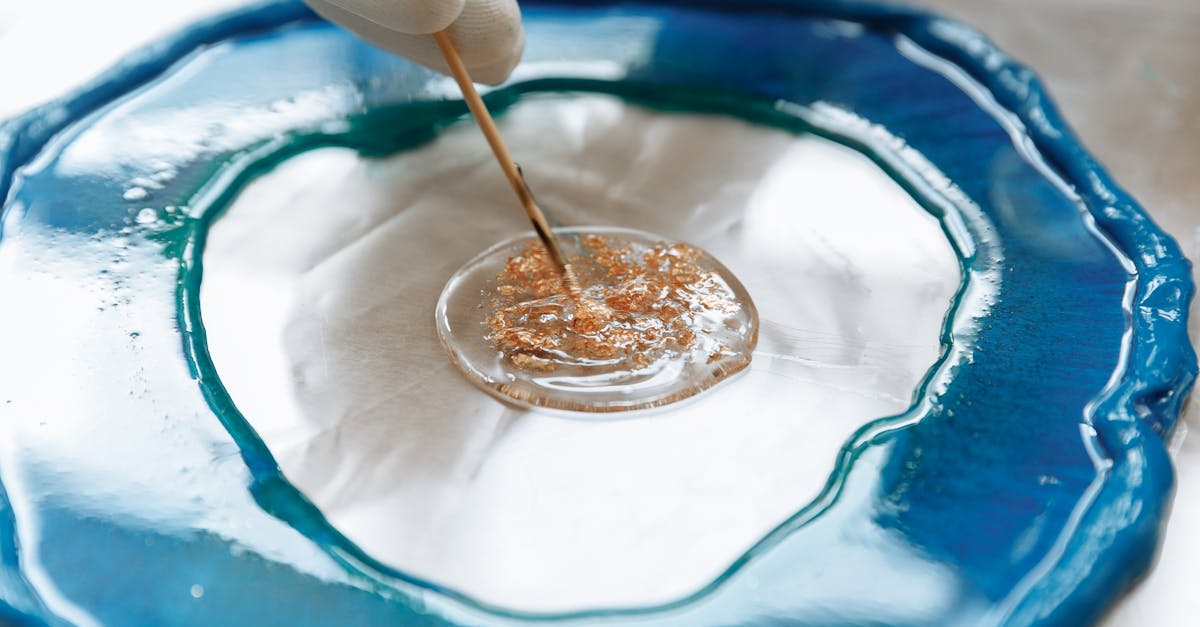
Design options have also expanded. Today’s systems come in solid colors, metallic finishes, quartz blends, and decorative flake styles that can mimic terrazzo-like texture. A homeowner might choose a light gray flake system to make a two-car garage feel brighter, or a charcoal finish in a home gym to hide scuffs and rubber marks. This customization is a major reason epoxy appeals to design-conscious buyers.
Why it matters: trends in home improvement usually follow a mix of visual appeal and problem-solving. Epoxy sits at that intersection. It helps spaces look finished without demanding the maintenance routine of tile grout, stained concrete, or lower-end peel-and-stick alternatives.
The Performance Benefits Homeowners Actually Notice Day to Day
Epoxy’s popularity is not just about looks. The biggest reason homeowners recommend it after installation is that they notice the functional upgrade every day. A properly installed epoxy coating creates a sealed surface over concrete, which means less dust, easier cleanup, and better resistance to common household messes. In a garage, that can mean wiping up motor oil, road salt residue, and muddy footprints without the floor absorbing stains. In a basement, it can mean a cleaner surface in spaces prone to dampness or seasonal humidity.
Durability is another major selling point. Professionally installed systems can last 10 to 20 years depending on traffic, preparation, UV exposure, and coating type. That lifespan compares favorably with many painted concrete floors that begin peeling within a year or two. Homeowners with kids, pets, bikes, weights, storage bins, and lawn equipment often find that epoxy handles impact and abrasion better than they expected.
The practical advantages are easy to summarize:
- Pros: stain resistance, reduced concrete dust, improved light reflection, easier sweeping and mopping, strong resistance to abrasion, and a more finished appearance
- Cons: surface prep must be done correctly, some coatings can yellow in UV-heavy spaces, wet floors can be slippery without anti-slip additives, and repairs to isolated damaged areas can be visually noticeable
Where Epoxy Works Best in a Modern Home and Where It Can Be a Mistake
Epoxy is not the perfect flooring solution for every room, but it excels in specific parts of the home where moisture, traffic, and messes are constant concerns. Garages remain the most obvious fit. They experience vehicle traffic, hot tire pickup, oil drips, road salt, and temperature swings, all of which punish unfinished concrete. Basements are another strong candidate because epoxy can create a cleaner, more moisture-resistant surface than carpet or laminate in below-grade spaces.
Other smart applications include laundry rooms, mudrooms, utility rooms, home gyms, and hobby spaces. If you have a dog washing area, gardening station, or workshop for woodworking and tools, epoxy makes cleanup much easier. Some high-end modern homes even use metallic epoxy in interior spaces for a seamless contemporary look, though that is more niche and usually design-driven.
However, there are places where epoxy can be a poor choice if expectations are wrong:
- It is not ideal over concrete with active moisture vapor issues unless the right moisture-mitigation system is used first
- It may not suit traditional living rooms where homeowners prefer warmth underfoot and acoustic softness
- It can become slick in wet areas if no texture additive is included
- In sun-exposed spaces, lower-quality epoxy may amber or discolor over time
What Epoxy Flooring Costs and Why Professional Prep Changes the Outcome
Cost is one of the biggest questions homeowners ask, and the range is wider than many expect. In the U.S., basic DIY epoxy kits for a one-car garage can start around 100 to 250 dollars in materials, but that figure rarely includes serious surface prep tools, crack repair products, degreasers, or topcoats. Professional installations commonly range from about 4 to 12 dollars per square foot, with premium systems going higher depending on moisture barriers, decorative flakes, polyaspartic topcoats, or extensive concrete repair.
For a typical 400-square-foot two-car garage, that means a homeowner might spend roughly 1,600 to 4,800 dollars for a professionally installed system. That sounds significant, but prep is where much of the value lies. Experienced installers mechanically grind the slab, test for moisture, repair pits and cracks, and apply coatings at the right temperature and cure conditions. Those steps are what separate a floor that lasts 12 years from one that peels after one winter.
The comparison below gives a realistic snapshot of common approaches homeowners consider.
| Option | Typical Cost | Best For | Main Risk |
|---|---|---|---|
| DIY big-box epoxy kit | $100-$250 in coating materials | Low-traffic spaces and budget experiments | Peeling from poor prep |
| Mid-range professional epoxy system | $4-$8 per sq. ft. | Most residential garages and basements | Quality varies by installer |
| Premium system with flakes and polyaspartic topcoat | $8-$12+ per sq. ft. | High-traffic spaces and long-term durability | Higher upfront investment |
DIY vs Professional Installation: The Real Trade-Offs Behind the Trend
The rise of epoxy flooring has been helped by social media and home improvement shows that make the process look fast and straightforward. Roll on coating, scatter flakes, add gloss, done. In reality, installation quality matters more than almost any other factor. The biggest mistake homeowners make is assuming epoxy fails because the product is bad, when the real issue is usually inadequate preparation, hidden moisture, or applying the coating in poor conditions.
DIY can make sense if the slab is in good shape, the area is small, and expectations are realistic. A homeowner coating a shed floor or lightly used workshop may be happy with a budget kit. But for garages and basements that see heavy use, professional installation often pays off because the floor will be exposed to tire heat, freeze-thaw debris, impacts, and repeated cleaning.
A practical breakdown looks like this:
- DIY advantages: lower upfront cost, flexible timing, satisfaction of doing it yourself, acceptable for low-demand spaces
- DIY drawbacks: prep equipment costs, steeper learning curve, more visible roller marks, shorter lifespan, and higher risk of peeling or bubbling
- Professional advantages: slab grinding, moisture testing, stronger adhesion, better finish consistency, and warranties in many cases
- Professional drawbacks: higher initial price and the need to vet contractor quality carefully
Key Takeaways: How to Decide If Epoxy Is the Right Upgrade for Your Home
If you are considering epoxy floor coating, the smartest approach is to think in terms of function first and style second. Start by identifying the problem you want the floor to solve. Is it dust from bare concrete, stains from car traffic, basement cleanup after wet seasons, or the desire to make a garage look like a finished part of the home? Epoxy is most successful when it addresses a real pain point rather than simply following a design trend.
Use these practical tips before you commit:
- Inspect the slab for cracks, prior sealers, oil contamination, and signs of moisture migration
- Decide how the space is actually used: parking, gym, storage, workshop, laundry, or entertaining
- Ask installers about mechanical grinding, moisture testing, crack repair, and topcoat options
- If slip resistance matters, request anti-slip additives rather than assuming gloss equals safety
- In sun-exposed areas, verify that the system includes a UV-stable topcoat
- Compare lifespan, not just initial cost; a cheap coating that fails in two years is usually more expensive than a quality system that lasts a decade or more
Conclusion
Epoxy floor coating is trending in modern homes because it solves multiple problems at once. It upgrades the appearance of bare concrete, improves durability, simplifies cleaning, and helps garages, basements, and utility spaces feel like true extensions of the home. The strongest results come when homeowners choose epoxy for the right rooms, understand the limitations, and prioritize preparation over shortcuts.
If you are considering the upgrade, start with a clear assessment of how the space is used, what condition the slab is in, and whether you need a simple coating or a longer-lasting professional system. Get at least two quotes, ask detailed prep questions, and compare lifecycle value rather than just the cheapest price. Done well, epoxy is not just a trend-driven finish. It is a practical improvement that can make everyday living easier.
Published on .
Share now!
MC
Matthew Clark
Author
The information on this site is of a general nature only and is not intended to address the specific circumstances of any particular individual or entity. It is not intended or implied to be a substitute for professional advice.