Published on:
10 min read
Second Hand Doors: Why They're Trending in Home Design
Second hand doors have moved well beyond salvage-yard curiosities and become one of the most practical ways to add character, sustainability, and value to a home. Homeowners, designers, and renovators are increasingly choosing reclaimed panel doors, vintage French doors, and salvaged exterior entries because they offer details that mass-produced products often lack, from old-growth timber and hand-cut joinery to unique glasswork and weathered patina. This article explains why the trend is growing, where second hand doors make the most design and financial sense, what buyers need to inspect before purchase, and how to balance charm with modern performance. You’ll also get realistic pros and cons, practical buying tips, and clear guidance on installation, refinishing, and room-by-room use so you can make a smart decision instead of an expensive mistake.

- •Why reclaimed doors have become a design statement
- •What makes second hand doors appealing beyond price
- •Where homeowners are finding them and what they actually cost
- •How to inspect a used door before you buy it
- •Best ways to use second hand doors in modern homes
- •Key takeaways and practical tips for buying, restoring, and installing
- •Conclusion: why this trend has staying power
Why reclaimed doors have become a design statement
Second hand doors are trending because they solve three homeowner priorities at once: character, cost control, and sustainability. In a market full of builder-grade finishes, an older five-panel pine door or a salvaged set of French doors instantly gives a room texture and history that new stock products often struggle to replicate. Designers have noticed. Across renovation-focused media and resale listings, original or reclaimed architectural details consistently get highlighted because buyers associate them with craftsmanship and authenticity.
The sustainability angle matters too. The EPA has long estimated that construction and demolition debris in the United States totals hundreds of millions of tons annually, and reuse is one of the most effective ways to reduce landfill waste. A reused door keeps old-growth wood, glass, and hardware in circulation rather than replacing them with newly manufactured materials. That matters in practical terms: older doors were often made from dense lumber that is harder and more dimensionally stable than some modern fast-growth alternatives.
There is also a budget story behind the trend. A solid reclaimed interior door from a salvage warehouse might cost between $75 and $250, while a comparable new solid wood door can easily run several hundred dollars before hinges, jamb work, finishing, and installation. Vintage exterior doors or oversized entry units can still be expensive, but many homeowners find the design payoff worth it.
Why it matters: people are no longer buying doors purely as functional partitions. They are using them as focal points, conversation pieces, and subtle signals that a home was designed with intention rather than assembled from a catalog.
What makes second hand doors appealing beyond price
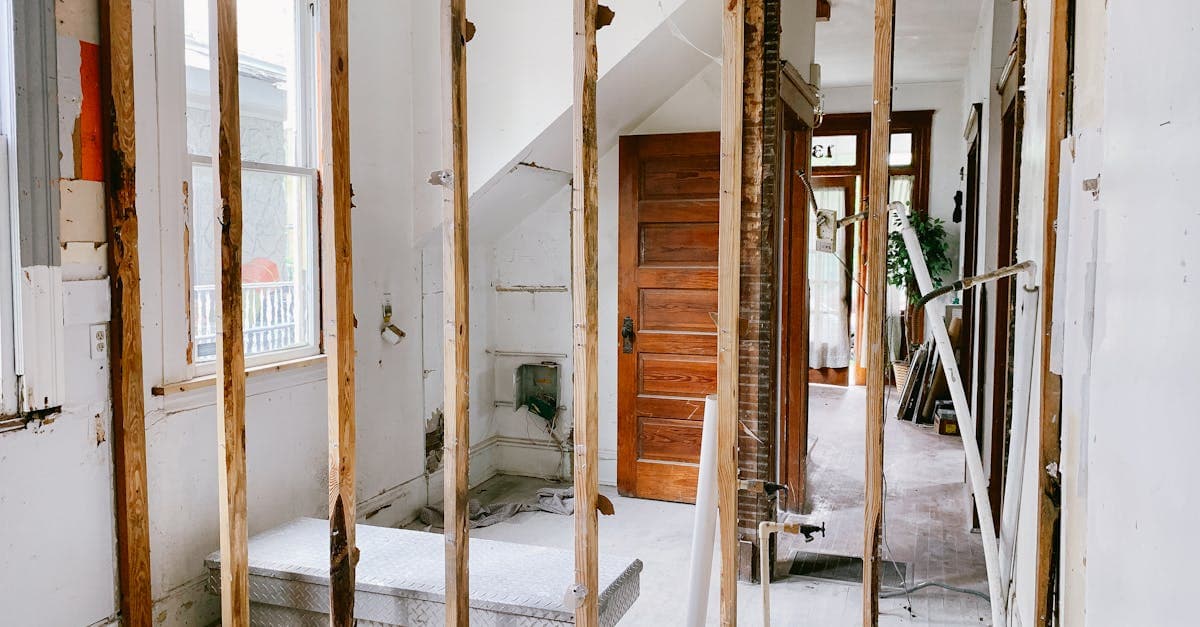
The biggest misconception about second hand doors is that the appeal is mostly thrift. In reality, many buyers choose them because they offer details that are expensive or impossible to reproduce convincingly. Old raised panels, mortise-and-tenon joinery, wavy glass, cast brass hardware, and worn paint layers all tell a visual story. In a minimalist room, one reclaimed door can keep the space from feeling flat. In a period home, it can restore continuity that modern replacements break.
There are practical advantages too:
- Older solid wood doors often feel heavier, quieter, and more substantial than hollow-core alternatives.
- Salvaged doors can be trimmed, refinished, painted, or repurposed more easily than some engineered products.
- Unique sizes and styles can help when matching historic openings in prewar or early 20th-century homes.
- Dimensions may be inconsistent, especially in homes where openings have shifted over decades.
- Lead paint is a serious concern for doors made before 1978 in the United States.
- Exterior reclaimed doors may need weatherstripping, threshold work, or glazing upgrades to perform well.
Where homeowners are finding them and what they actually cost
The market for second hand doors is broader than many people expect. Architectural salvage yards remain the best source for curated inventory because staff often measure pieces, label wood species, and separate interior from exterior stock. Habitat for Humanity ReStores, Facebook Marketplace, Craigslist, estate sales, antique barns, and demolition resale firms also produce excellent finds. In larger cities, specialized salvage dealers may even inventory doors by era, style, and width, which saves hours of searching.
Prices vary widely depending on size, material, condition, and originality. A basic reclaimed interior slab might sell for $50 to $150. Decorative Victorian or Craftsman pieces commonly land in the $200 to $600 range. Antique exterior doors with stained glass, sidelights, or oversized dimensions can exceed $1,000, particularly if they are ready to install. Hardware adds another cost layer. An old mortise lockset may look beautiful, but restoration or missing parts can quickly add $75 to $300.
Another cost issue is transportation. A solid wood door can weigh 60 to 120 pounds or more, and double doors are a logistical project. If the door needs stripping, glass repair, edge planing, hinge rerouting, or jamb modification, labor can erase the initial bargain.
Still, the economics often work. Imagine a homeowner buying a salvaged solid fir door for $125, spending $80 on refinishing supplies and $150 on installation tweaks. At roughly $355 total, they may end up with a higher-impact feature than a $500 to $700 new specialty door.
Why it matters: the smartest buyers compare total installed cost, not sticker price. That is how second hand doors become a value play rather than a renovation headache.
How to inspect a used door before you buy it
Buying second hand successfully comes down to inspection. A beautiful door leaning against a salvage-yard wall can hide warping, rot, repairs, or unsafe finishes. Start with measurements. Bring a tape measure and record slab height, width, thickness, hinge locations, swing direction, backset, and whether the door came from a left-hand or right-hand opening. Even a quarter-inch mismatch can create extra carpentry work.
Next, check structural condition. Sight down the edge to see whether the door bows or twists. Look for soft spots along the bottom rail, stile ends, and around glass because those areas collect moisture. Press gently with a screwdriver if the seller allows it. Surface wear is normal; structural deterioration is expensive.
Pay attention to safety and performance issues:
- Assume paint on pre-1978 doors may contain lead until tested.
- Inspect glass for cracks, loose glazing, and whether replacement panes would be custom-cut.
- Confirm that old exterior doors can be weathersealed effectively.
- Look for previous lock modifications that may weaken the stile.
Best ways to use second hand doors in modern homes
The most successful reclaimed-door projects match the door’s strengths to the room’s function. Interior applications are usually easiest because performance requirements are lower. A vintage panel door works beautifully for bedrooms, studies, linen closets, or dining rooms. Reclaimed French doors are especially popular for home offices because they preserve visual openness while giving better acoustic separation than an open doorway. In smaller homes, sliding barn-style installations also let people use heavier old doors without reframing the opening, though the look needs to fit the architecture.
Exterior use can be spectacular but requires more caution. A salvaged front door should be checked for fit, insulation potential, glass safety, and weather resistance. In mild climates, homeowners have more flexibility. In areas with extreme heat, humidity, or freezing winters, performance upgrades matter a lot. A charming antique door that leaks air can raise heating and cooling costs and create long-term moisture issues around the entry.
There are also creative nontraditional uses:
- Turn a narrow reclaimed door into a headboard with minimal refinishing.
- Use a pair of old doors for a closet conversion in a loft or bungalow.
- Convert a glazed door into a room divider between kitchen and utility space.
Key takeaways and practical tips for buying, restoring, and installing
If you are considering second hand doors, the smartest approach is to treat them like a design investment with a renovation checklist attached. Start by identifying where character will have the most visual payoff. For most homeowners, that means the front entry, pantry, office, primary bedroom, or a set of interior double doors. Once you know the target location, shop by exact dimensions first and style second. Falling in love with the wrong size is the fastest route to wasted time.
Practical tips that save money and frustration:
- Photograph your current opening, hinges, strike plate, and casing before shopping.
- Bring exact measurements, including thickness and swing direction.
- Price the full project: purchase, transport, stripping, repairs, hardware, and installation.
- Use lead-safe practices or hire a pro if old paint is present.
- Refinish before installation whenever possible; it is cleaner and easier.
- For exterior doors, budget for weatherstripping, threshold adjustment, and possibly new glass.
Conclusion: why this trend has staying power
Second hand doors are trending because they answer a modern design problem in a surprisingly practical way. They bring individuality to homes that often feel over-standardized, and they do it while supporting reuse, reducing waste, and in many cases lowering material costs. The best results happen when homeowners balance romance with realism: measure carefully, inspect thoroughly, budget for restoration, and choose placements where visual impact justifies the work.
If you are curious, visit a local salvage yard or ReStore with photos and measurements of one interior opening. Compare the total installed cost of a reclaimed option against a new door of similar quality. In many cases, you will find that the second hand route offers more personality for similar money. Start with one door, do it well, and let that project guide whether you expand the look throughout the home.
Published on .
Share now!
AH
Alexander Hayes
Author
The information on this site is of a general nature only and is not intended to address the specific circumstances of any particular individual or entity. It is not intended or implied to be a substitute for professional advice.