Published on:
10 min read
Pest Control Trends: What Homeowners Need to Know
Pest control is changing fast, and homeowners who still rely on outdated, one-size-fits-all treatments can end up spending more while solving less. This article breaks down the biggest trends shaping modern residential pest management, from smarter monitoring tools and eco-focused treatments to shifting pest pressure caused by warmer weather, urban density, and changing construction practices. You will learn where traditional spraying still has a place, when integrated pest management is the better strategy, how to evaluate service plans, and what practical prevention steps actually reduce infestations. Along the way, the article covers specific examples such as termite monitoring systems, rodent-proofing weak points around garages and utility lines, and the rising importance of mosquito control in wetter, warmer seasons. If you want a realistic, evidence-based guide to protecting your home without wasting money or overusing chemicals, this is the resource to keep handy.

- •Why Pest Control Is Shifting From Reactive to Preventive
- •Climate, Construction, and Urban Living Are Changing Pest Pressure
- •The Rise of Integrated Pest Management and Lower-Impact Treatments
- •Smart Monitoring, Digital Reporting, and What Technology Adds
- •How Homeowners Can Evaluate Modern Pest Control Services
- •Key Takeaways: Practical Steps That Prevent Most Residential Infestations
- •Conclusion: Smarter Pest Control Means Fewer Surprises and Better Long-Term Protection
Why Pest Control Is Shifting From Reactive to Preventive
For years, many homeowners treated pest control as a problem to solve only after seeing ants on the counter or hearing scratching in the attic. That approach is losing ground. Today, the strongest trend in residential pest management is prevention first. The reason is simple: infestations are more expensive, harder to eliminate, and more disruptive once pests are established. A termite colony can quietly damage structural wood for months before visible signs appear, while rodents can reproduce quickly enough that a minor issue becomes a major one within a season.
The economics favor prevention. Industry estimates commonly place annual termite damage in the United States at billions of dollars, with many losses not covered by standard homeowners insurance. A few hundred dollars spent on sealing entry points, scheduling inspections, and addressing moisture problems can prevent repairs that run into the thousands. That shift is changing how homeowners think about pest control contracts, home maintenance checklists, and even remodeling decisions.
Modern providers increasingly recommend integrated plans built around inspection, exclusion, sanitation, and monitoring instead of repeated blanket chemical applications. Why it matters: this strategy usually reduces pesticide use while improving long-term results.
Pros of a preventive approach:
- Lower long-term repair costs
- Fewer recurring infestations
- Reduced reliance on broad-spectrum chemical treatments
- Better protection for children, pets, and pollinators when fewer applications are needed
- Requires ongoing attention rather than a one-time fix
- Upfront costs can feel unnecessary when no visible problem exists
- Results are less dramatic because success often means nothing happens
Climate, Construction, and Urban Living Are Changing Pest Pressure
One of the biggest reasons pest control trends are evolving is that pest behavior is changing too. Warmer winters, longer shoulder seasons, heavier rainfall in some regions, and drought in others are affecting what homeowners see around their properties. Mosquito seasons are extending in many areas, tick activity is appearing earlier, and rodent pressure often increases when outdoor food and shelter become unstable. Even mild regional temperature shifts can alter breeding cycles and overwinter survival rates.
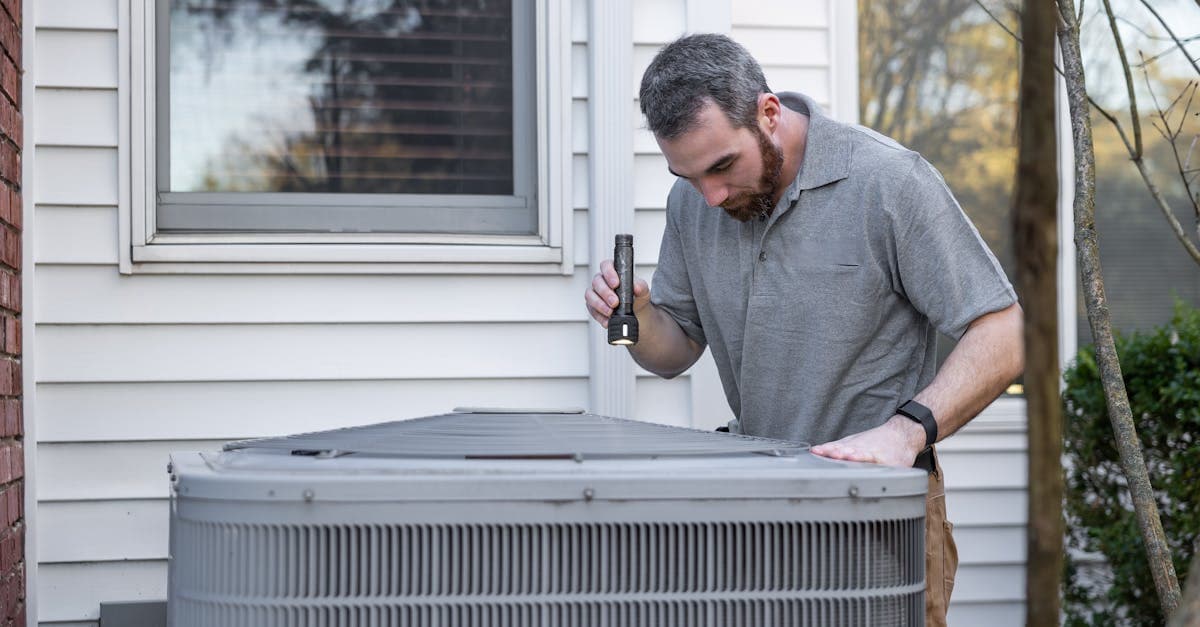
Construction trends also play a role. Tighter building envelopes improve energy efficiency, but homes still contain dozens of tiny vulnerabilities where pests can enter, especially around HVAC lines, dryer vents, garage door corners, roof returns, and utility penetrations. New subdivisions can displace rodents, ants, and spiders as land is cleared. In dense neighborhoods, one poorly maintained property can create spillover problems for adjacent homes.
A practical example is suburban mosquito control. A homeowner may assume the problem comes from a nearby pond, when the true source is standing water in clogged gutters, plant saucers, toys, or a neglected drain. Similarly, roof rats in Sun Belt cities are often linked to overgrown vegetation, fruit trees, and easy attic access rather than purely indoor sanitation.
Why this matters: treating pests without understanding environmental drivers leads to repeat service calls and frustration.
Homeowners should pay attention to three local indicators:
- Seasonal weather patterns over the last two to three years
- Neighborhood construction or demolition activity
- Landscaping changes that increase shade, moisture, or harborage
The Rise of Integrated Pest Management and Lower-Impact Treatments
Integrated Pest Management, usually shortened to IPM, has moved from commercial buildings and agricultural settings into mainstream residential service, and that is a positive shift for homeowners. IPM focuses on identifying the pest correctly, understanding why it is present, setting action thresholds, and combining targeted solutions rather than defaulting to routine heavy spraying. In practical terms, that might mean baiting for German cockroaches, sealing wall penetrations, reducing kitchen moisture, and using carefully selected spot treatments only where needed.
This trend is being driven by consumer demand as much as regulation. Many families want effective control with lower chemical exposure, especially in homes with babies, pets, fish tanks, or people with respiratory sensitivities. Providers are responding with more bait systems, insect growth regulators, crack-and-crevice applications, dusts in enclosed voids, and botanical or reduced-risk products where appropriate. For termites, in-ground bait stations and monitoring systems are increasingly common alternatives or complements to liquid barrier treatments.
That does not mean traditional products are obsolete. They still play an important role for severe infestations and high-pressure pests. The difference is that they are now more often part of a broader strategy.
Benefits of IPM-style service:
- Targets the source of infestation, not just visible symptoms
- Often reduces repeat outbreaks
- Can lower total pesticide volume over time
- Fits better with long-term home maintenance
- Requires better homeowner cooperation on cleaning, storage, and repairs
- Some low-impact methods act more slowly than knockdown sprays
- Results depend heavily on accurate inspection and follow-up
Smart Monitoring, Digital Reporting, and What Technology Adds
Another important trend is the use of technology to monitor pest activity and improve service quality. While smart pest control is more common in commercial settings, homeowners are seeing more of it through digital termite monitoring, connected bait systems, service apps, photo-based inspection reports, and technician notes that map trouble spots around the house. Even when sensors are not fully automated, better documentation helps homeowners make smarter decisions because they can see patterns over time instead of relying on memory.
For example, a technician may log recurring ant activity near a back patio door every spring, moisture readings in a crawl space after heavy rain, or gnaw marks near a garage freezer. That history matters. It can reveal whether the issue is getting worse, staying seasonal, or responding to corrections. Digital reporting also makes it easier for homeowners to track warranty terms, inspection dates, and recommendations before a small issue becomes a large repair.
Technology is especially valuable in termite management. Some systems combine physical stations with periodic inspection data to detect activity before visible damage appears indoors. In high-risk regions, that early warning can protect both structural integrity and resale value.
What homeowners gain from tech-enabled service:
- Better records for warranty claims and home sales
- Easier follow-up on unresolved problem areas
- Faster identification of seasonal patterns
- More accountability from service providers
- It cannot replace a thorough physical inspection
- It may add cost without much benefit in low-risk situations
- Data is only useful if someone acts on it
How Homeowners Can Evaluate Modern Pest Control Services
Choosing a pest control company is harder now because service menus are broader and marketing claims are more polished. Homeowners should look beyond promises like eco-friendly, family-safe, or guaranteed protection and ask exactly what the provider will inspect, treat, monitor, and exclude. A good company should be able to explain its process in plain language, identify likely entry points, and describe what conditions are attracting the pest in the first place.
A real-world example: two companies may quote very different prices for a rodent problem. The cheaper option may include traps and bait only. The more expensive one may include exclusion work such as sealing utility penetrations, screening vents, and follow-up inspections. The second option often costs more up front but saves money if it prevents reinfestation. Homeowners should compare scope, not just price.
Questions worth asking before signing:
- Is the plan built around the specific pest and property conditions?
- What is included in follow-up visits?
- Are exclusion repairs included, recommended, or outsourced?
- What happens if activity returns between scheduled services?
- Will I receive written inspection findings and prevention recommendations?
- Expert identification and targeted treatment
- Better access to specialized tools and products
- Easier detection of hidden issues like termites or attic activity
- Recurring annual costs
- Service quality varies widely by technician and company
- Homeowners may overpay for routine plans they do not really need
Key Takeaways: Practical Steps That Prevent Most Residential Infestations
The most useful pest control trend for homeowners is not a product but a checklist mindset. Small maintenance habits prevent a surprising share of common infestations. If you want practical steps with the highest payoff, start with exclusion, moisture control, food management, and seasonal inspection. These are not glamorous, but they consistently outperform reactive spraying alone.
Start outside. Trim shrubs so branches do not touch siding or the roofline. Store firewood off the ground and away from the house. Clean gutters so water does not pool near the foundation. Inspect where cables, pipes, and hose bibs enter the home, and seal gaps with appropriate materials. A mouse can squeeze through a hole roughly the width of a dime, so tiny openings matter.
Inside the home, focus on the kitchen, laundry area, garage, attic, and crawl space. Fix leaks quickly. Store pantry goods and pet food in sealed containers. Reduce cardboard clutter, especially in garages and basements, because it provides harborage for roaches and silverfish. If you have had repeated ant issues, wipe down trails and address the moisture source instead of relying only on over-the-counter spray.
A practical seasonal routine looks like this:
- Spring: inspect for ant activity, termite swarmers, and standing water
- Summer: monitor mosquitoes, wasp nesting sites, and irrigation overspray
- Fall: seal rodent entry points before temperatures drop
- Winter: check attics, garages, and crawl spaces for nesting or droppings
Conclusion: Smarter Pest Control Means Fewer Surprises and Better Long-Term Protection
The biggest shift in pest control is that effective homeowners are thinking less about emergency treatments and more about year-round risk reduction. Climate patterns, building design, neighborhood density, and consumer demand for lower-impact methods are all pushing the industry toward prevention, precision, and better documentation. That is good news if you are willing to be proactive.
Your next steps are straightforward. Inspect the home’s exterior for gaps and moisture issues, identify one or two high-risk areas such as the attic or crawl space, and decide whether you need a targeted professional inspection rather than a generic recurring spray plan. If you already use a pest service, ask for clearer reporting and recommendations tied to your property’s actual vulnerabilities.
The homeowners who spend the least over time are usually the ones who catch problems early, understand local pest patterns, and treat exclusion and maintenance as part of home care. In pest control, the smartest trend is not more treatment. It is fewer surprises.
Published on .
Share now!
MM
Max Mason
Author
The information on this site is of a general nature only and is not intended to address the specific circumstances of any particular individual or entity. It is not intended or implied to be a substitute for professional advice.