Published on:
5 min read
By Daniel Brooks · Organizing Contributor
How to Organize a Small Kitchen Efficiently
I've tackled the challenge of a small kitchen head-on by maximizing vertical space and using drawer organizers. Here's how it transformed my cooking space and how you can do the same.

Making the Most of Limited Kitchen Space
When I first moved into my apartment, the small kitchen was a puzzle to solve. With barely enough room for my essentials, I knew I had to get creative to make it functional. This journey led me to discover the power of vertical space and drawer organizers, transforming my kitchen from cramped chaos into a space I love to cook in. In this guide, I'll walk you through how I achieved this, what tools I used, and some pitfalls to avoid. Expect detailed tips on utilizing every nook and cranny, ensuring everything has a place and is easy to find.
The Vertical Space Revolution
The first step in my kitchen transformation was leveraging vertical space. This was a game-changer for my small kitchen, which previously felt like a maze. I used a combination of wall-mounted racks and magnetic strips to liberate my countertops and drawers. For instance, I installed a simple $20 hanging pot rack above the stove, allowing me to hang up to 6 pots and pans. This not only freed up my lower cabinets but made cooking more efficient since everything was within arm's reach.
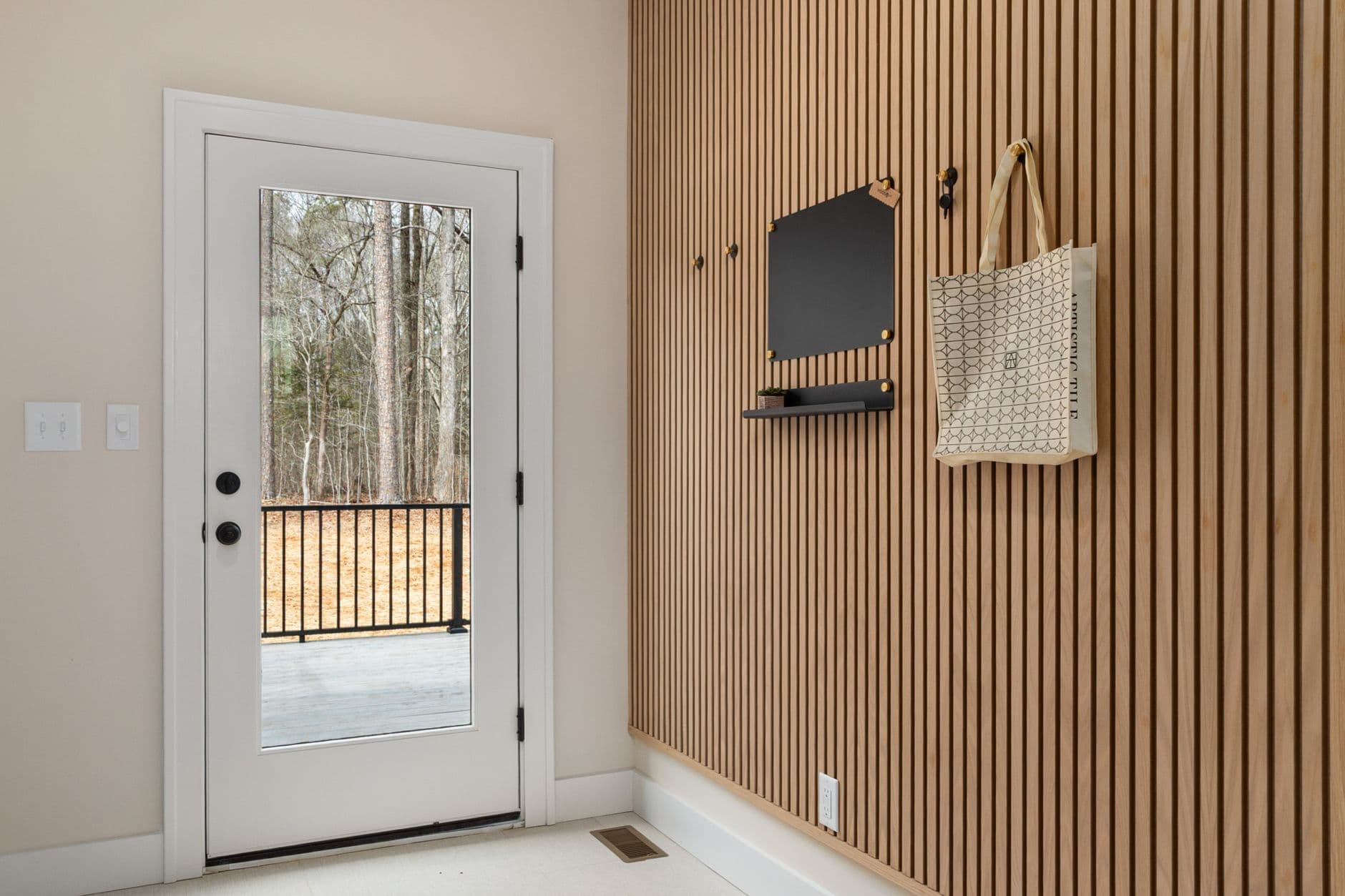
My kitchen walls also became a canvas for creativity. I added a magnetic knife strip, costing around $15, which cleared an entire drawer that used to house my knife block. This strip holds up to 10 knives securely, and I love how it keeps my counter clutter-free while providing easy access to my most-used tools. Another vertical hack was installing a pegboard on the inside of my pantry door. With hooks costing just $5 for a pack, I now hang measuring spoons and cups, freeing up more cabinet space while adding flair.
The final piece of my vertical space puzzle was using the tops of cabinets. I placed baskets to store less frequently used items, like my waffle iron and holiday-themed dishes. These cost about $10 each and blend well with the kitchen's decor. The entire shift to vertical storage felt like adding new rooms to my kitchen and made it considerably more functional.

Drawer Organizers: The Unsung Heroes
Drawer organizers became my next focus. My kitchen has only three drawers, so every inch counts. I bought expandable bamboo drawer dividers, spending about $30 for a pack that fit perfectly in two of the drawers. This small change was pivotal in reducing the chaos.
These organizers allowed me to neatly arrange utensils, creating spaces for forks, spoons, and cooking gadgets that were previously jumbled together. The third drawer received a different approach: a custom-cut drawer liner with non-slip properties (around $10), perfect for storing my spice jars upright without them rolling every time I opened it. This setup saved me time since I no longer rummaged for what I needed.
I also experimented with a nested system for baking tools. Silicone baking molds fit snugly within a larger baking sheet, which then slid into a deep drawer. This method not only saved space but also kept everything easy to access. Overall, these changes made my drawers work twice as hard, enhancing the kitchen's efficiency and accessibility.
Comparison of Organization Strategies
To evaluate the effectiveness of these solutions, I compared the results of using vertical space and drawer organizers against traditional storage methods. Here's what I found, based on both the capacity and the usability enhancements each method offered.
| Method | Storage Capacity Increase | Cost |
|---|---|---|
| Vertical racks | 50% more shelf space | $35 |
| Drawer organizers | 30% more utility space | $40 |
| Traditional cabinets | No increase | Already included |
Practical Tips for Kitchen Organization
To get the most out of your small kitchen, follow these steps:
- Measure your cabinet and wall spaces before purchasing organizers to ensure a perfect fit.
- Start with high-traffic areas like the stove and prep surfaces for the most impact.
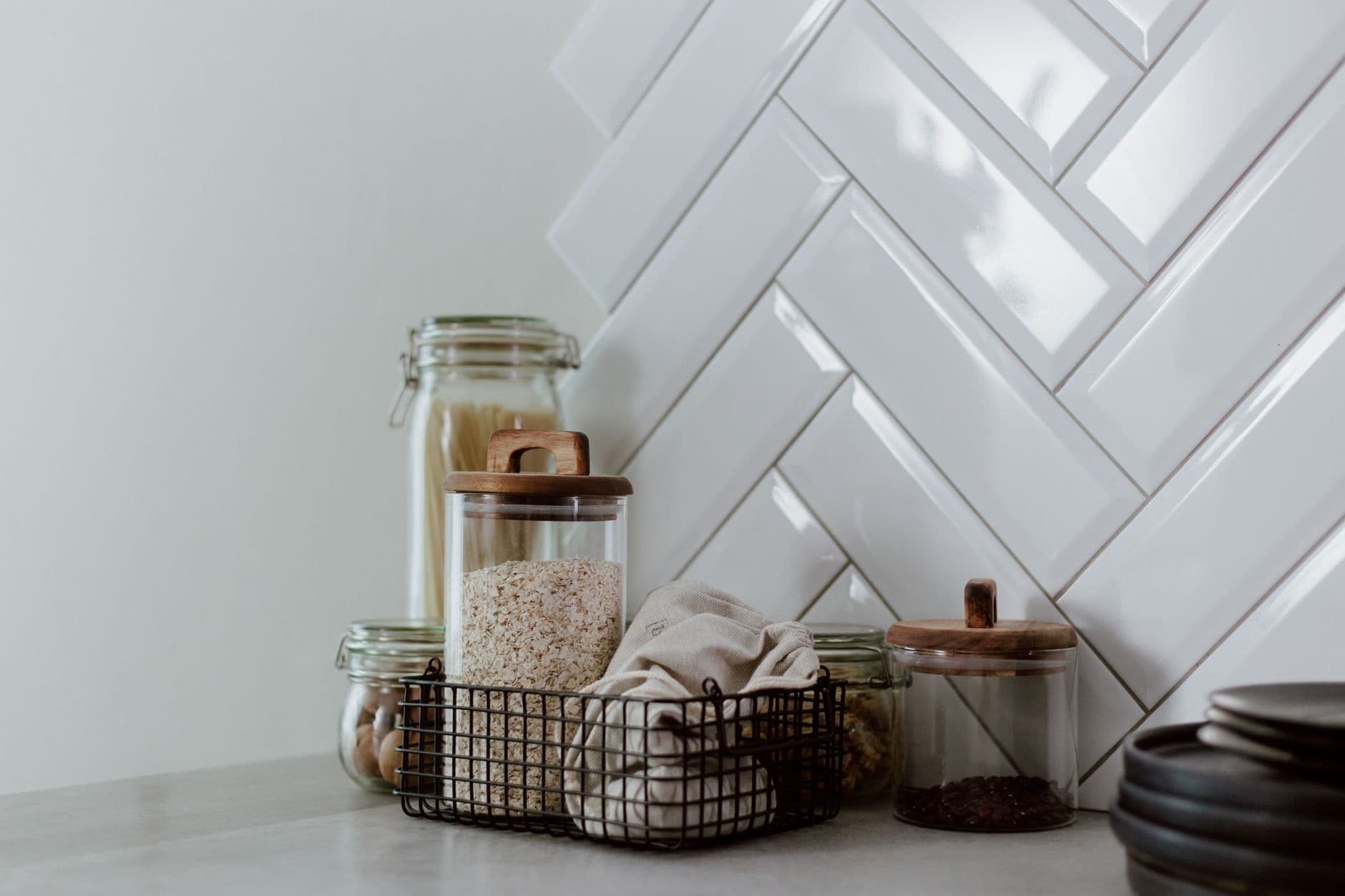
- Use clear containers for dry goods to easily see what's inside and reduce clutter.
- Regularly declutter and donate items you haven't used in the past year to maintain space.
- Label shelves and containers to quickly locate and return items, keeping the system sustainable.
- Consider multi-purpose items, like a cutting board that fits over the sink, to save counter space.
- Install under-shelf baskets in cabinets for added storage without the need for permanent fixtures.
Q&A: Common Questions About Kitchen Organization
Q: How do I decide what to store vertically?
Think about items you use daily and those that are cumbersome to store elsewhere, like pots, pans, and knives. Light items like spices and utensils also work well.
Q: What if my walls aren't suitable for mounting racks?
Consider freestanding shelving units or over-the-door organizers as alternatives. There are also adhesive hooks designed for temporary use that won't damage walls.
Q: Can drawer organizers fit in any drawer?
Most are adjustable, but always measure before buying to ensure they fit your specific drawer dimensions. Look for modular designs if your space is particularly unique.
Q: How do I maintain the organization over time?
Regularly review your kitchen tools and declutter. Consistent labeling and designated spots for each item will help maintain order. Set aside time monthly to tidy and reorganize as needed.
EditorialOur Take
Transforming a small kitchen into a functional space doesn't have to break the bank. Using vertical space and drawer organizers has been a game changer for me. It's best suited for anyone with limited kitchen space who values efficiency and order. While the initial setup might take a little time, the ongoing convenience makes it entirely worth it. However, if you're not keen on DIY or minor installations, you might want to seek help or consider simpler solutions like freestanding storage options. This approach is not for those who prefer single-use gadgets or have a laissez-faire attitude toward clutter, but for those ready to make their kitchen a more streamlined and enjoyable place.
Published on .
Share now!

Daniel Brooks
Organizing Contributor
Daniel Brooks writes about getting (and staying) organized at home. After years of living in small rentals, he is convinced that good systems beat more storage boxes every time. He focuses on simple routines that survive a busy week. Daniel uses AI tools to research, draft, and help keep these articles accurate.
More from Daniel →The information on this site is of a general nature only and is not intended to address the specific circumstances of any particular individual or entity. It is not intended or implied to be a substitute for professional advice.
Get our best tips in your inbox
A short, practical email now and then. No spam, and you can unsubscribe anytime.