Published on:
4 min read
By Daniel Brooks · Organizing Contributor
Explainer: The Importance of Zones in Pantry Organization
Understanding pantry zones revolutionized my organization strategy, turning chaos into order. Here's how I did it and why it matters.

The Chaos Before Zoning
My pantry used to be a jumble of canned goods, half-opened snack bags, and mystery jars. Every time I opened the door, I felt overwhelmed. Finding ingredients for a simple dinner took longer than preparing the meal itself. That's when I came across the concept of zoning, a method that would completely change how I approached pantry organization.
In this article, I'll walk you through how zoning transformed my pantry, share practical steps for setting up your own zones, and discuss common pitfalls to avoid. Whether your pantry is a walk-in or just a dedicated cupboard, the principles of zoning can help you create a more efficient and stress-free kitchen experience. I was eager to dive in, hoping to reclaim my kitchen sanity and facilitate a more enjoyable cooking routine.
A Concrete Example: Implementing Zones
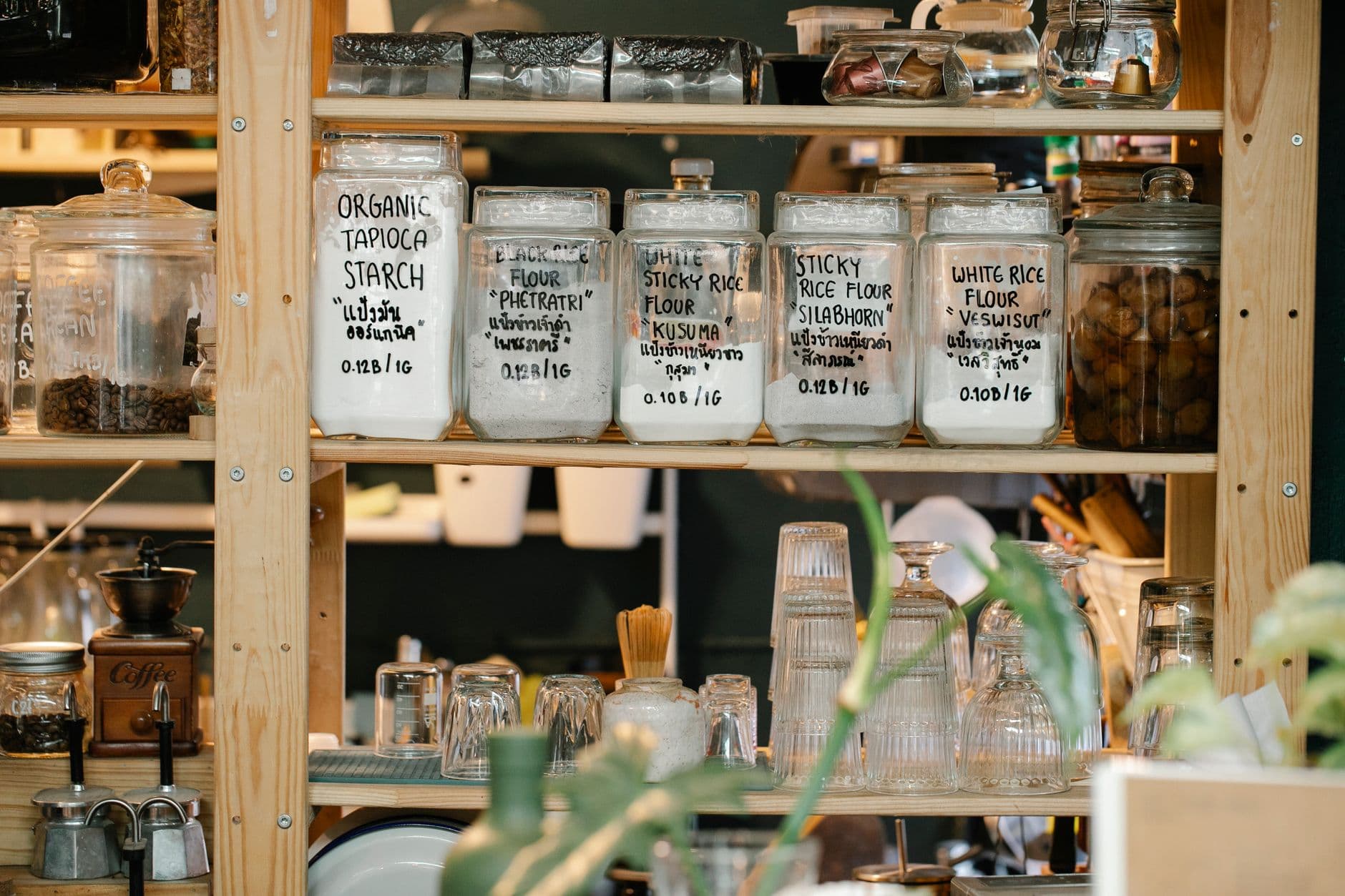
When I first tackled zoning, I started by grouping items that I often used together. Breakfast items went on one shelf, while baking supplies occupied another. This simple step reduced the time I spent searching for things by nearly 50%. My initial setup involved trial and error, as I had to find a layout that fit my cooking habits.
I dedicated an afternoon to the project, spending about three hours sorting and setting up. I realized that having clear, dedicated zones meant fewer shopping mistakes and less waste. For instance, I found three bags of flour hiding behind taller bottles — a clear sign that my previous 'system' wasn't working. I even discovered expired ingredients hidden at the back, which prompted me to evaluate my purchasing habits.
The results were tangible: not only did I find cooking more enjoyable, but I also appreciated the ease of knowing exactly where everything was. It was as if I had gained extra space without changing the physical dimensions of my pantry. The new layout encouraged me to be more organized in other areas of my kitchen as well.

Zones in Action: How It Affected My Habits
Zoning isn't just about where things go; it's about creating a workflow that matches your lifestyle. For me, the most significant change was how I handled perishables. By assigning a zone for items nearing expiration, I reduced food waste by approximately 30% and planned meals more efficiently.
I also created a snack zone, both for my convenience and to help my kids find their after-school treats without tearing the pantry apart. This minor change significantly cut down on clutter and made restocking quicker and more straightforward. I kept healthy options at eye level, encouraging better snack choices for the whole family.
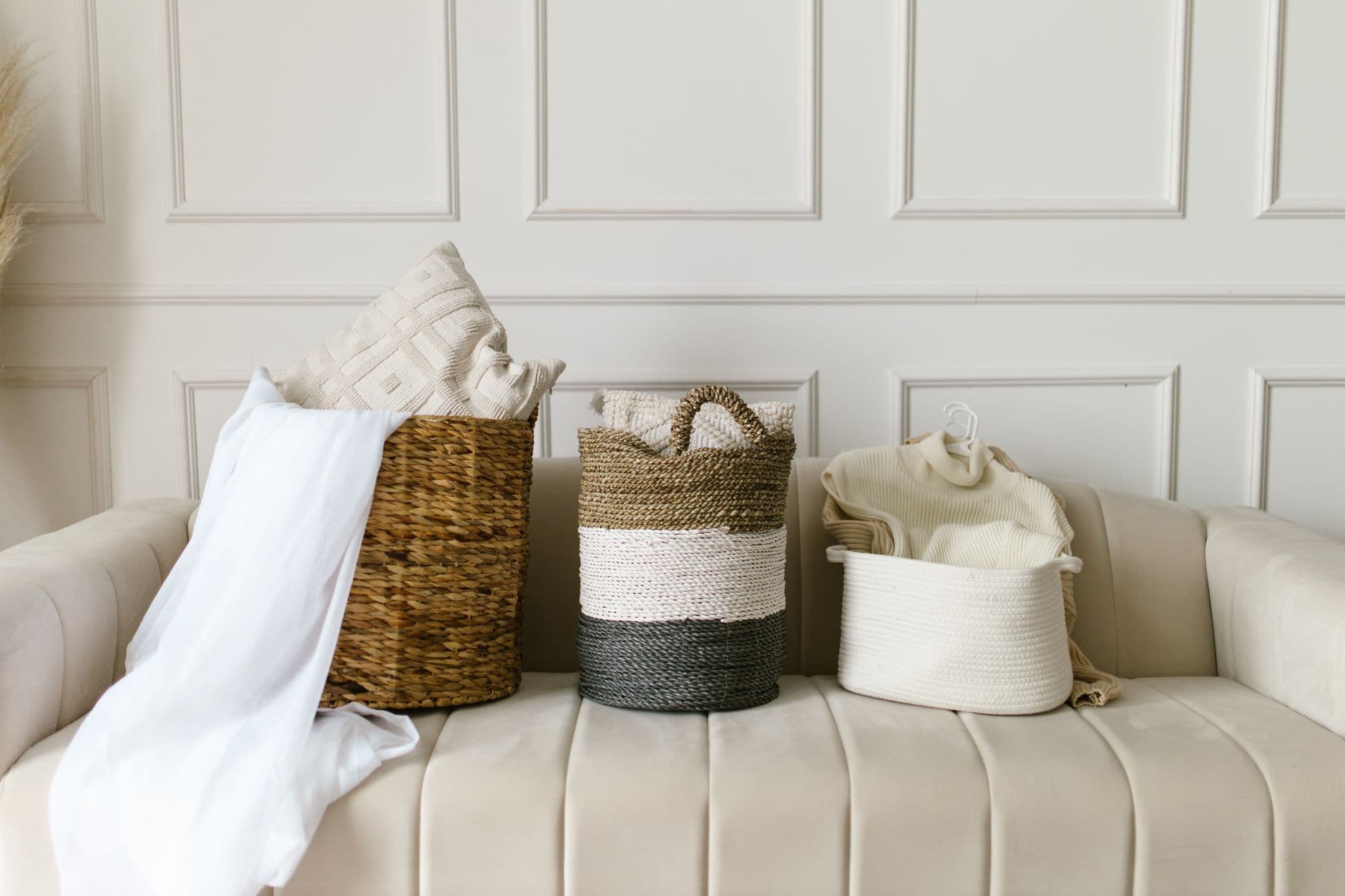
A small purchase of clear bins, costing around $50, paid off by keeping smaller items together. The bins were labeled by zone: grains, snacks, breakfast, and so on. In hindsight, I should have done this from the start; it made the upkeep of zones much more manageable. I now spend less than 10 minutes a week maintaining my pantry, which used to be a much larger chore.
Comparing Zoning Styles
I experimented with different zoning styles before settling on the one that worked best for me. Here's a comparison of three approaches:
| Zoning Style | Pros | Cons |
|---|---|---|
| Alphabetical | Easy to follow if you know exact names | Not intuitive for frequent users |
| Category (e.g., breakfast, baking) | Aligns with usage habits | Requires consistent maintenance |
| Expiry Date | Reduces waste | Time-consuming to set up initially |
Steps to Create Your Pantry Zones
Creating zones in your pantry might seem daunting, but breaking it down into steps makes it manageable:
- Start with a full pantry clean-out. Discard expired items and donate what you won't use.
- Group items based on use: breakfast, snacks, canned goods, etc.
- Assign each group to a specific shelf or section.
- Use clear bins or baskets for smaller or loose items.
- Label each zone clearly to avoid confusion.
- Regularly review and adjust zones as your habits or needs change.
Common Questions About Pantry Zoning
Q: How do I decide which items go in which zones?
Consider how often you use each item and what you typically use together. This helps in creating functional zones.
Q: What happens if I run out of space in one zone?
Adjust the zones periodically. If one zone is overflowing, it might need a larger area or some items might need to be decluttered.
Q: Do I need to buy special organizers?
Not necessarily. Start with what you have; boxes or repurposed jars can work. Buy specific organizers only if you find them necessary for maintaining order.
Q: How often should I reorganize my zones?
It's a good idea to revisit your organization every few months, especially if your cooking habits or pantry inventory change.
EditorialOur Take
Adopting zoning in my pantry was a game-changer. It made finding ingredients easier and cooking more enjoyable, reducing both waste and grocery hassle. While zoning isn’t for everyone, it’s incredibly beneficial if you frequently find your pantry in disarray. For those short on time, the initial setup requires commitment, but the long-term payoff is worth it. If you're tired of pantry clutter and the stress of disorganization, zoning is a strategy worth trying. It offers a sustainable way to manage your pantry and can adapt to various lifestyles and space constraints.
Published on .
Share now!

Daniel Brooks
Organizing Contributor
Daniel Brooks writes about getting (and staying) organized at home. After years of living in small rentals, he is convinced that good systems beat more storage boxes every time. He focuses on simple routines that survive a busy week. Daniel uses AI tools to research, draft, and help keep these articles accurate.
More from Daniel →The information on this site is of a general nature only and is not intended to address the specific circumstances of any particular individual or entity. It is not intended or implied to be a substitute for professional advice.
Get our best tips in your inbox
A short, practical email now and then. No spam, and you can unsubscribe anytime.