Published on:
11 min read
Home Renovation Trends: What’s Changing in 2026
Home renovation in 2026 is being shaped by three forces at once: higher labor and financing costs, better smart-home and electrification technology, and homeowners who want flexible, lower-maintenance spaces that work harder every day. This article breaks down the renovation shifts that actually matter, from energy upgrades and healthier materials to kitchen layouts, bathroom design, outdoor living, and budget strategy. You’ll get practical context on where homeowners are spending, which trends are worth the money, where design hype is outrunning value, and how to make renovation choices that improve comfort, resale appeal, and operating costs. If you are planning a remodel this year, this guide will help you prioritize upgrades with lasting payoff instead of chasing short-lived aesthetics.
- •Why 2026 Renovation Trends Look Different From Just a Few Years Ago
- •Energy Efficiency and Electrification Are Moving From Nice-to-Have to Core Strategy
- •Kitchens in 2026: Less Showroom Drama, More Workflow, Storage, and Durable Surfaces
- •Bathrooms, Wellness, and Aging-in-Place Design Are Converging
- •Materials, Colors, and Finishes: Sustainability Is Becoming More Practical Than Performative
- •Outdoor Living, Climate Resilience, and the Rise of the Functional Exterior
- •Key Takeaways and Practical Tips for Renovating Smarter in 2026
Why 2026 Renovation Trends Look Different From Just a Few Years Ago
Home renovation trends in 2026 are less about dramatic cosmetic makeovers and more about performance, flexibility, and cost control. That shift is not accidental. Homeowners are still dealing with elevated borrowing costs compared with the ultra-low-rate era, and many are choosing to renovate instead of move. In practice, that means projects are being judged more harshly: if an upgrade does not improve daily living, reduce utility bills, or protect resale value, it is getting cut from the budget.
Recent industry surveys from remodeling and housing organizations have consistently shown kitchens, bathrooms, windows, flooring, and exterior improvements among the most popular projects, but the motivation has changed. Homeowners are asking sharper questions about energy use, maintenance costs, and durability. A quartz countertop is no longer just a style statement. People want to know whether it outlasts alternatives, resists staining, and keeps the kitchen easier to maintain over ten years.
Another major change is demographic. More households now need rooms to serve multiple functions: guest room and office, mudroom and pet station, basement and fitness studio. Aging-in-place planning is also moving from niche concern to mainstream strategy. Wider doorways, curbless showers, better lighting, and first-floor living features are increasingly seen as smart foresight rather than medical accommodations.
Why this matters: in 2026, the winning renovation projects are the ones that combine aesthetics with measurable usefulness. The homeowners getting the best outcomes are not necessarily spending more. They are choosing upgrades that solve real problems, reduce friction, and make the home more adaptable to whatever the next decade brings.
Energy Efficiency and Electrification Are Moving From Nice-to-Have to Core Strategy
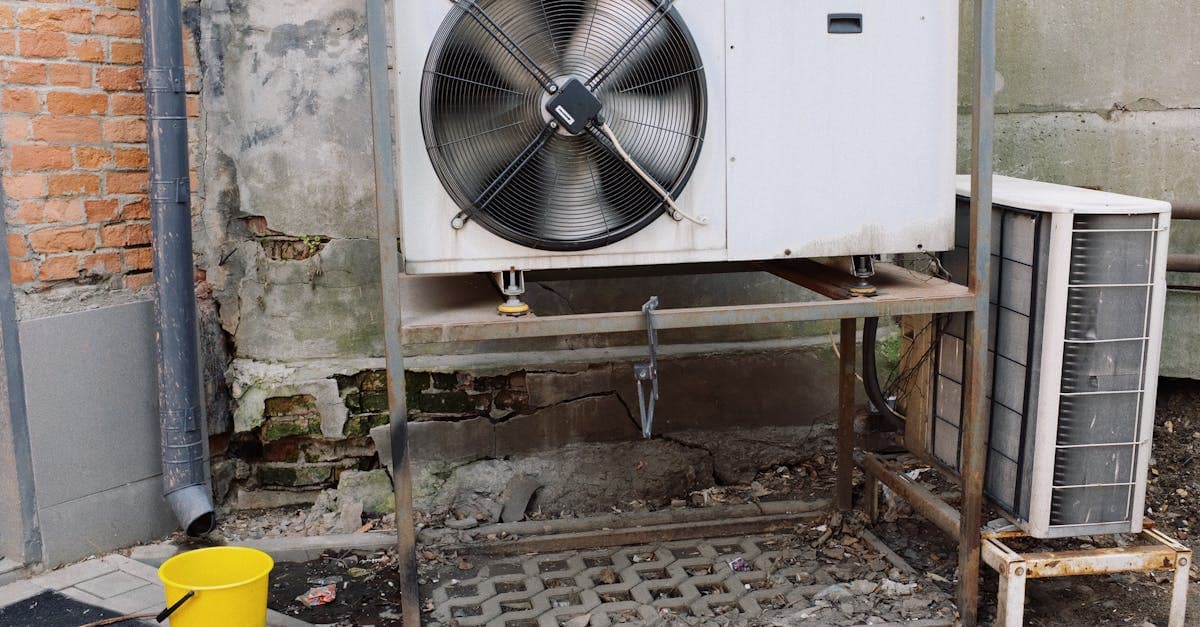
The biggest structural trend in 2026 is the move toward energy-smart renovation. Homeowners are looking beyond paint colors and backsplash tile to ask how the house actually performs. Insulation upgrades, air sealing, high-performance windows, heat pump HVAC systems, induction cooking, and heat pump water heaters are now part of mainstream renovation planning. With utility prices remaining a concern in many markets, efficiency improvements can influence monthly affordability as much as a mortgage payment.
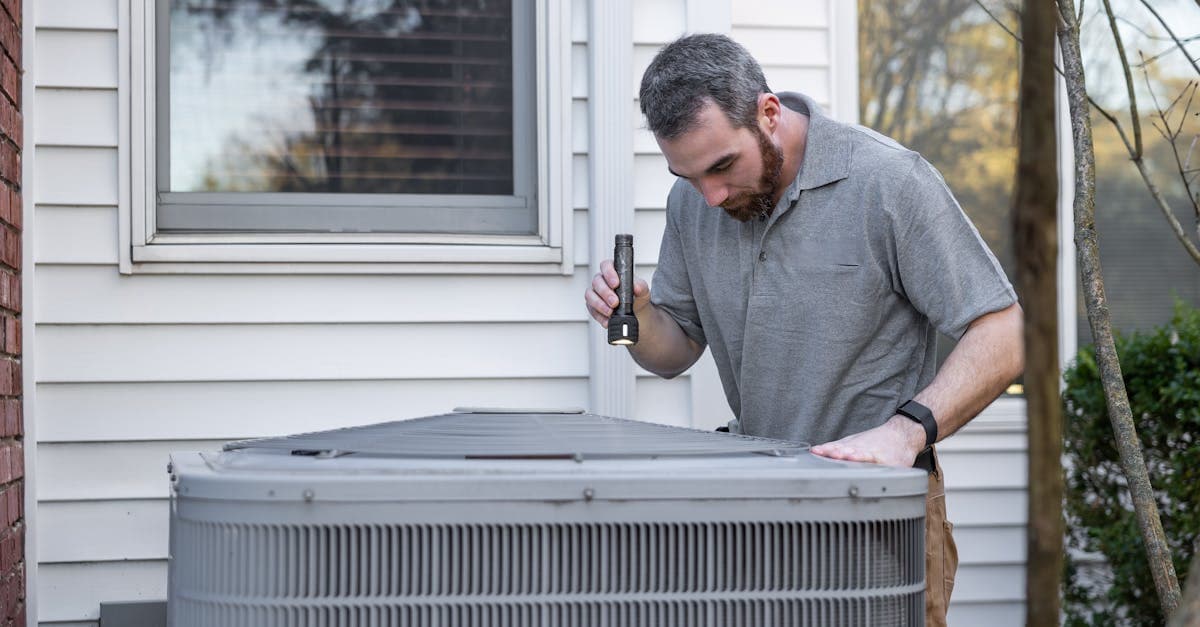
A practical example: replacing an aging gas furnace and central AC with a modern cold-climate heat pump can improve comfort and lower maintenance complexity, especially when paired with duct sealing and attic insulation. In many homes, air leaks around rim joists, recessed lighting, and old windows create comfort problems that homeowners mistakenly blame on the HVAC unit alone. In 2026, better contractors are treating the home as a system, not a collection of separate products.
The pros and cons are worth weighing carefully:
- Pros: lower operating costs, improved comfort, quieter equipment, better indoor air quality, and stronger appeal to future buyers who care about energy performance.
- Cons: higher upfront cost, permit complexity in some jurisdictions, possible electrical panel upgrades, and a learning curve for homeowners switching from gas appliances.
Kitchens in 2026: Less Showroom Drama, More Workflow, Storage, and Durable Surfaces
Kitchen renovation in 2026 is shifting away from purely social-media-driven aesthetics and toward hard-working layouts. The all-white, ultra-minimal kitchen is giving way to warmer palettes, concealed storage, mixed materials, and smarter task zoning. Homeowners still want a beautiful kitchen, but they are less interested in a space that photographs well and more interested in one that handles weekday life without constant clutter.
One clear pattern is the rise of specialized storage. Appliance garages, walk-in pantries, deep drawer systems, charging drawers, and integrated recycling pull-outs are becoming standard requests in mid-range remodels. That is because storage solves a real pain point: visual mess. A homeowner may not notice an upgraded hinge on day one, but they notice every morning when the coffee station is easy to access and the counters stay clear.
Material choices are also maturing. Quartz remains popular for low maintenance, but homeowners are increasingly mixing in wood accents, textured tile, and slab backsplashes for visual depth. Induction ranges are gaining traction, particularly among families concerned about indoor air quality and temperature control. Large islands still matter, but not every kitchen benefits from one; in tighter layouts, oversized islands can disrupt flow rather than improve it.
A realistic kitchen decision framework looks like this:
- Spend on cabinetry, layout, lighting, and ventilation because they affect daily function.
- Be cautious about overspending on trend-led finishes that may date quickly.
- Choose materials based on stain resistance, repairability, and cleaning habits, not just showroom appearance.
Bathrooms, Wellness, and Aging-in-Place Design Are Converging
Bathroom renovation trends in 2026 are being shaped by two overlapping priorities: creating a more restorative daily experience and preparing the home for long-term usability. That is why spa-inspired features are growing at the same time as practical upgrades such as curbless showers, slip-resistant flooring, comfort-height toilets, layered lighting, and handheld showerheads. What used to be treated as luxury or accessibility is now often simply considered smart design.
Homeowners are spending more attention on moisture management and cleanability too. Large-format tile means fewer grout lines to maintain. Better exhaust fans with humidity sensors help prevent mold. Wall-mounted vanities can make smaller bathrooms feel larger while also simplifying floor cleaning. In family homes, double-function bathrooms are especially popular: one design brief for busy mornings, another for evening wind-down.
The benefits and tradeoffs are clearer than ever:
- Pros: better safety, easier cleaning, stronger long-term usability, and wider buyer appeal across age groups.
- Cons: waterproofing details matter more, labor costs can rise quickly, and highly customized luxury features do not always return their full cost at resale.
Materials, Colors, and Finishes: Sustainability Is Becoming More Practical Than Performative
In 2026, sustainable renovation is maturing. Homeowners are moving past vague eco-branding and asking more grounded questions: Is this flooring durable enough for kids and pets? Does this paint have low VOC emissions? Can this cabinet front be repaired instead of replaced? The trend is less about marketing language and more about measurable durability, healthier interiors, and lower replacement frequency.
Warm, nature-linked palettes are still dominating, but they are more nuanced than the grayscale trends of the previous decade. Expect clay, sand, olive, mushroom, walnut, and muted charcoal tones rather than sterile whites and cool industrial finishes everywhere. Natural texture is especially important. Limewash-style walls, ribbed wood details, matte metals, and tactile tile are being used to make renovated spaces feel calmer and less mass-produced.
Material selection in 2026 also reflects a growing backlash against disposable renovation. Homeowners are more open to refinishing hardwood, repainting quality cabinets, and preserving architectural elements where possible. Salvaged wood, reclaimed brick accents, and vintage lighting are being mixed with modern systems to create homes that feel layered rather than copied from a builder catalog.
There are still tradeoffs to weigh:
- Pros: stronger character, potentially lower lifecycle waste, healthier indoor air choices, and often better long-term satisfaction.
- Cons: some natural materials need more maintenance, lead times can be unpredictable, and not every sustainable option is budget-friendly upfront.
Outdoor Living, Climate Resilience, and the Rise of the Functional Exterior
Exterior renovation is becoming more strategic in 2026. Homeowners are no longer treating the outside of the house as a separate beautification project. Instead, they are connecting curb appeal, weather resilience, maintenance, and livability into one plan. That includes upgraded siding, better drainage, impact-resistant roofing in storm-prone markets, larger covered patios, durable decking, native landscaping, and outdoor lighting that improves both atmosphere and safety.
Climate pressure is a major driver. In hotter regions, shade structures, lighter roofing materials, and heat-tolerant landscaping are practical investments, not just design preferences. In areas facing heavier rainfall, grading corrections, French drains, and gutter improvements are finally getting attention after years of being deferred in favor of cosmetic work. This shift may not be glamorous, but it often prevents the expensive interior damage that derails future renovation budgets.
Outdoor living is also becoming more useful and less theatrical. Instead of full outdoor kitchens that get used six times a year, many homeowners are choosing a better grill zone, weatherproof storage, comfortable seating, and integrated power for lighting or a mini fridge. The goal is regular use, not resort-style fantasy.
What tends to work best:
- Prioritize water management before decorative upgrades.
- Match materials to local climate, not just inspiration photos.
- Design outdoor spaces around actual habits, such as morning coffee, pet access, or weekend entertaining.
Key Takeaways and Practical Tips for Renovating Smarter in 2026
If there is one theme that defines renovation in 2026, it is intentionality. Homeowners are getting better results when they stop asking, “What is trending?” and start asking, “What will improve this house for the next ten years?” That mindset leads to better spending decisions, fewer regrets, and renovations that still feel relevant after the design cycle moves on.
Here are the most practical ways to apply that thinking:
- Start with pain points, not Pinterest. List what is inefficient, uncomfortable, dated, or difficult to maintain.
- Put building performance first. Air sealing, insulation, ventilation, and moisture control often deliver more lasting value than decorative upgrades.
- Budget for the hidden line items. Permits, electrical work, waterproofing, disposal fees, and temporary living costs can easily add 10 to 20 percent.
- Renovate for your life stage. A young family, remote worker, pet owner, and downsizing couple need very different solutions.
- Ask contractors for scenario pricing. Compare a best-case scope, a value-engineered scope, and a future-phase plan instead of forcing every goal into one budget.
- Choose fewer, better materials. It is usually smarter to invest in durable flooring and solid cabinetry than to spread the budget thinly across flashy finishes.
Published on .
Share now!
RH
Ruby Harper
Author
The information on this site is of a general nature only and is not intended to address the specific circumstances of any particular individual or entity. It is not intended or implied to be a substitute for professional advice.