Published on:
10 min read
Glasses Bank Trends: Why More People Are Choosing It
Glasses Bank has become part of a larger shift in how people buy eyewear: shoppers want lower prices, wider frame selection, and a simpler online process without giving up style. This article breaks down why more consumers are considering Glasses Bank, what market trends are pushing online eyewear forward, and where the brand appears to fit for budget-conscious buyers, first-time online shoppers, and people ordering backup pairs. You’ll find practical guidance on pricing, lens choices, fit concerns, and return considerations, along with a balanced look at the advantages and tradeoffs. If you are trying to decide whether Glasses Bank is worth trying, this guide will help you compare convenience, cost, and quality in a way that reflects how people actually shop for glasses today.
- •Why online eyewear is growing so quickly
- •What makes Glasses Bank appealing to today’s shoppers
- •Price, selection, and perceived value compared with traditional optical stores
- •The biggest concerns buyers have before ordering
- •Who benefits most from Glasses Bank and similar brands
- •How to shop smarter if you’re considering an order
- •Key takeaways and what to do next
Why online eyewear is growing so quickly
The rise of companies like Glasses Bank is not happening in a vacuum. It reflects a broader consumer shift toward buying prescription products online, especially when the price gap between digital-first brands and traditional optical stores can be dramatic. In many brick-and-mortar settings, a single pair of prescription glasses can easily run from $200 to $500 once frames, lens upgrades, anti-reflective coating, and blue-light filtering are added. By contrast, online eyewear retailers often advertise complete pairs starting under $50, and sometimes far less during promotions. That price difference alone is enough to change buying behavior.
Another driver is convenience. Consumers have become used to ordering everything from mattresses to groceries online, so glasses no longer feel like a category that must be purchased in person. The key change over the last few years is trust. Better product photography, virtual try-on tools, wider return policies, and clearer pupillary distance guidance have reduced some of the hesitation that used to keep shoppers away.
There is also a lifestyle angle. Many people no longer buy just one pair. They buy an everyday pair, a blue-light pair for work, prescription sunglasses, and a backup pair to keep in the car or office. Online sellers make multi-pair shopping feel financially realistic.
Why this matters: Glasses Bank is benefiting from a market where consumers are not only price-sensitive, but also increasingly comfortable trading in-store service for flexibility and lower cost. That trend is especially strong among younger professionals, students, and families trying to stretch healthcare or vision benefits further.
What makes Glasses Bank appealing to today’s shoppers
Glasses Bank appears to appeal to a very specific kind of customer: someone who wants fashionable or functional eyewear without paying premium optical-shop pricing. In practical terms, that usually means shoppers comparing dozens of frame styles, filtering by color and face shape, and trying to keep total cost low even after adding prescription lenses. For budget-minded consumers, the appeal is simple: a lower barrier to experimentation.
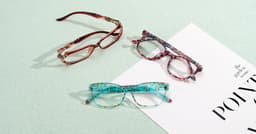
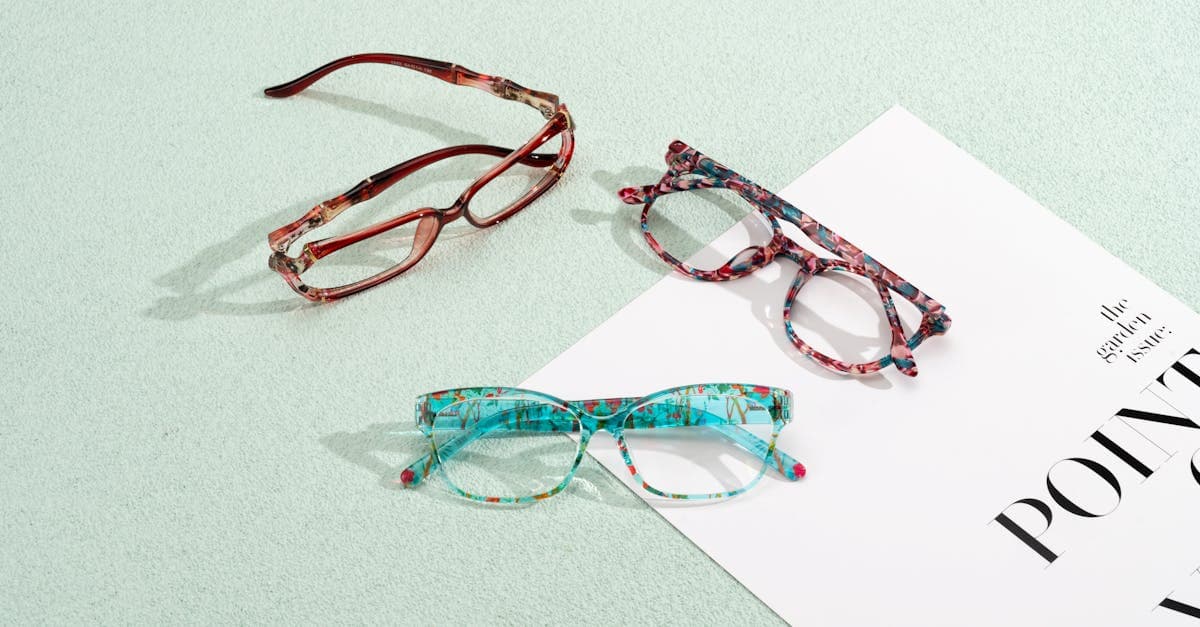
Instead of treating glasses as a once-every-two-years purchase, buyers can treat them more like accessories. Someone might order a neutral tortoiseshell frame for daily wear, a lighter metal frame for work meetings, and a bold geometric style for weekends, often for less than the cost of one premium pair at a mall optical chain.
There are a few reasons this resonates now:
- Inflation has made discretionary spending more selective, so buyers look harder at value.
- Fashion cycles move faster, which makes consumers less interested in overpaying for one “forever” frame.
- Remote and hybrid work have changed visual needs, increasing demand for computer glasses and backup pairs.
Price, selection, and perceived value compared with traditional optical stores
One of the strongest trends behind Glasses Bank’s appeal is perceived value, not just low pricing. Consumers do not simply want the cheapest frames. They want to feel that what they receive looks current, functions well, and costs meaningfully less than the alternatives. In eyewear, value is often judged by three things: frame aesthetics, lens upgrade pricing, and the final checkout total.
Traditional optical retailers still offer advantages, especially face-to-face fitting and immediate professional input. But their costs are usually higher because they are supporting physical retail locations, in-store staff, equipment, and inventory systems. Online-first retailers strip out much of that overhead, and consumers notice.
For example, if a shopper buys acetate frames with single-vision lenses, anti-scratch treatment, and anti-reflective coating, the in-store quote might land around $280. An online equivalent could come in well under half that, depending on promotions and prescription complexity. That savings becomes even more compelling for households buying multiple pairs in the same year.
Here is where comparison matters most:
| Buying Factor | Online Retailers Like Glasses Bank | Traditional Optical Stores |
|---|---|---|
| Starting frame cost | Often low, frequently discount-driven | Usually higher base pricing |
| Selection breadth | Large catalog, many style filters | Smaller curated in-store inventory |
| Fit assistance | Self-guided measurements and virtual tools | In-person fitting and adjustments |
| Turnaround expectations | Shipping time required | Can be faster for some in-stock options |
| Best for | Budget shoppers, backup pairs, style variety | Complex fittings, hands-on service seekers |
The biggest concerns buyers have before ordering
Even as online eyewear grows, shoppers still hesitate for predictable reasons. The biggest worry is fit. A frame can look great on a product page and still feel too wide, too narrow, or unbalanced once it arrives. This is especially true for first-time online buyers who do not know their ideal lens width, bridge size, or temple length. If Glasses Bank is gaining traction, it is partly because more consumers are willing to tolerate this uncertainty in exchange for lower prices.
Prescription accuracy is the second major concern. Buying glasses online is not difficult, but it does require precision. If the prescription is entered incorrectly, or if pupillary distance is measured poorly, even a stylish pair becomes unusable. That is why experienced online buyers tend to order from their latest written prescription and double-check every number before checkout.
Common pros and cons shoppers should weigh include:
- Pros: lower cost, broader frame variety, easy browsing, access to multiple pairs, frequent promotions.
- Cons: no in-person adjustments, possible fit mismatch, shipping delays, more self-service during the buying process.
Who benefits most from Glasses Bank and similar brands
Not every eyewear buyer has the same priorities, which is why Glasses Bank may feel like a smart choice for some people and a poor fit for others. The strongest match tends to be consumers who prioritize affordability, variety, and convenience over in-store service. This includes students, parents buying replacement pairs, office workers wanting blue-light or computer glasses, and anyone who wants a second or third pair without overspending.
A particularly strong use case is the backup-pair buyer. Imagine someone who wears prescription glasses daily and has already invested in one premium in-store pair. They may not want to pay premium pricing again just to keep a spare pair at work or in a travel bag. That is where low-cost online options become highly attractive.
It can also be a strong fit for style-conscious shoppers who like switching looks. Eyewear has become part of personal branding, especially on video calls and social platforms where faces are front and center. Spending less per pair makes rotating styles easier.
Here is a practical breakdown of fit by buyer type:
| Buyer Type | Why Glasses Bank May Work | Potential Limitation |
|---|---|---|
| Budget-focused shoppers | Lower upfront cost and frequent deals | May need to compromise on premium materials |
| Students and young professionals | Affordable options for changing style and prescriptions | May need help measuring PD correctly |
| Families | Easier to buy multiple pairs in one order | Returns and exchanges require patience |
| People with simple prescriptions | Straightforward online ordering process | Less ideal if frequent adjustments are needed |
| Complex prescription wearers | Can still be an option for secondary pairs | In-person fitting may be safer for primary use |
How to shop smarter if you’re considering an order
The smartest way to approach Glasses Bank is to treat the purchase like a process, not an impulse buy. Start with your current prescription, ideally no more than one to two years old depending on your eye doctor’s recommendation. If pupillary distance is not listed, ask your optical provider for it or use a measurement tool carefully. Small errors can create big comfort problems.
Next, compare frame dimensions from a pair you already own and like. Most glasses list lens width, bridge width, and temple length on the inside arm. Those numbers are far more useful than guessing based on model photos. If your current pair is 52-18-140 and fits well, use that as your baseline.
A few practical tips can improve the odds of satisfaction:
- Prioritize neutral, wearable styles for your first order rather than trend-heavy frames.
- Read lens upgrade descriptions closely so you know what coatings are included.
- Check return, remake, and warranty terms before paying.
- Take screenshots of your prescription entry for your records.
- Order a backup pair only after confirming the first pair works for you.
Key takeaways and what to do next
Glasses Bank is gaining attention because it aligns with several strong consumer trends at once: price sensitivity, online shopping confidence, and the growing habit of owning more than one pair of glasses. For many buyers, the question is no longer whether online eyewear is legitimate. It is whether the savings and selection justify handling more of the process themselves.
The answer depends on your situation. If you have a simple prescription, know your measurements, and want affordable style options or backup pairs, the appeal is obvious. If you need precise fitting, frequent adjustments, or have a complex prescription, caution is smarter.
Key takeaways:
- Online eyewear growth is being driven by lower prices and broader style access.
- Glasses Bank likely appeals most to value-focused shoppers who are comfortable self-managing measurements.
- The biggest risks are fit issues, prescription entry errors, and mismatched expectations.
- The best first order is usually a practical, everyday frame rather than an experimental style.
- Comparing total cost, not just frame price, gives the clearest view of value.
Published on .
Share now!
LW
Luna West
Author
The information on this site is of a general nature only and is not intended to address the specific circumstances of any particular individual or entity. It is not intended or implied to be a substitute for professional advice.