Published on:
4 min read
By Sophia Bennett · Kitchen & Pantry Writer
Ceramic vs. Non-Stick Pans: Which Should You Use?
Exploring the pros and cons of ceramic versus non-stick pans changed the way I cook. After testing both, I discovered which pan suits my cooking style best.

Introduction
I never thought much about my choice of pans until I noticed my eggs sticking to my old non-stick pan. That's when I decided to explore the world of ceramic pans. In this article, I'll share my experiences with both ceramic and non-stick pans, including a detailed comparison and tips on how to choose the right pan for your kitchen needs.
Testing Ceramic Pans
The first time I used a ceramic pan, I was both excited and nervous. I decided to start with a classic omelet, heating the pan on medium flame. Using a bit of butter, I poured the egg mixture in and watched closely. To my surprise, it cooked evenly, and the cleanup was a breeze. However, over time, I noticed that ceramic pans require more delicate handling. They don't respond well to high heat, as it can cause the coating to break down. This revelation made me rethink some high-heat dishes I used to prepare with my old non-stick pan.
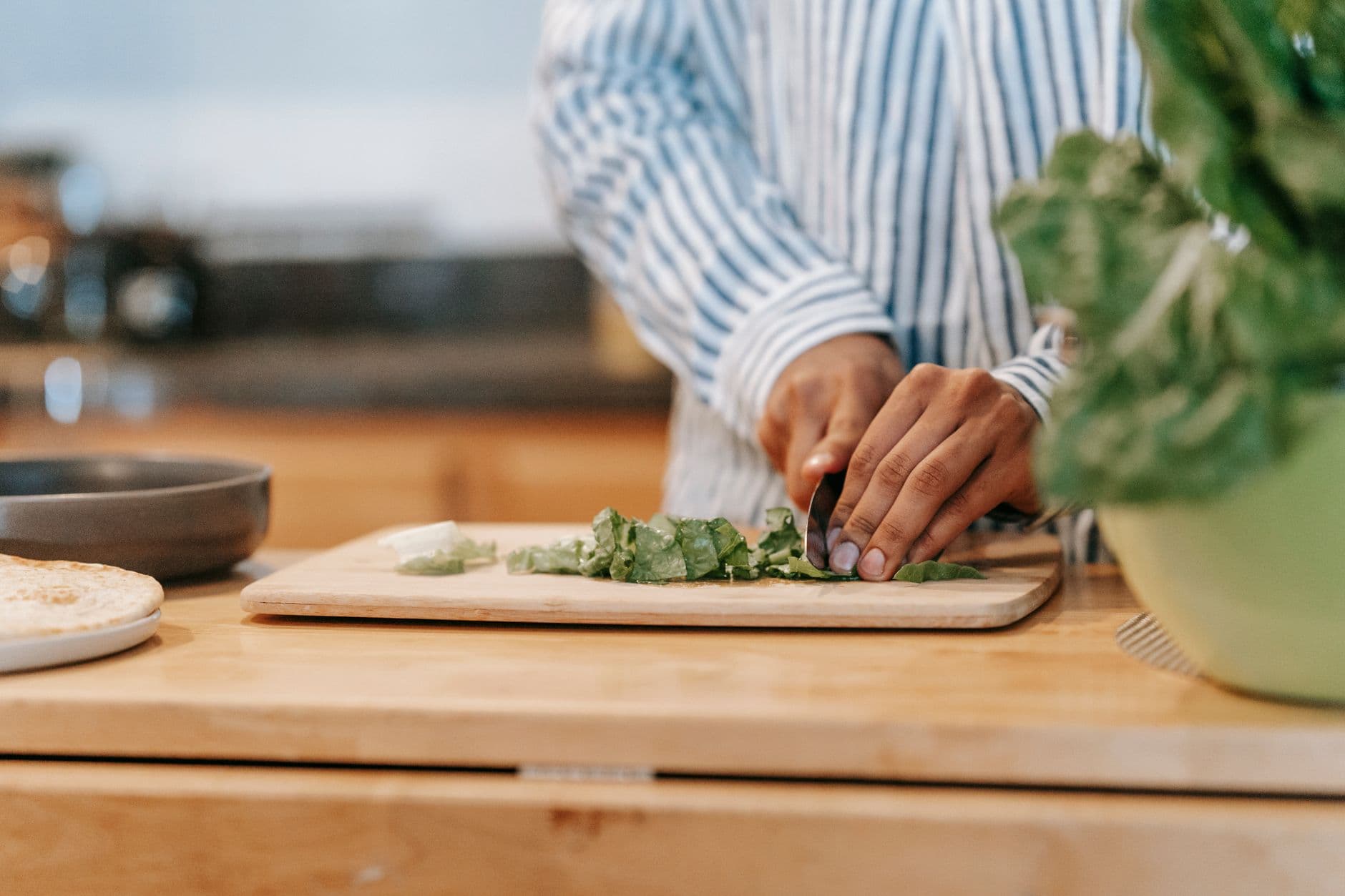
Next, I tried making a vegetable stir-fry using the ceramic pan. I noticed that while the vegetables retained their vibrant color and crisp texture, I needed to be cautious about the amount of oil I used. Ceramic pans tend to require a bit more fat to prevent sticking compared to new non-stick surfaces. After a few trials, I found that about a tablespoon of oil was sufficient for a medium-sized pan, ensuring the food cooked properly without leaving residue. Cleaning the pan was straightforward, as I simply used a soft sponge and mild detergent.

Non-Stick Pans: A Second Look
Non-stick pans have been my go-to for years. They are perfect for quick cooking and easy cleaning. However, over time, I noticed that they tend to lose their non-stick quality, especially if not handled properly. Using metal utensils or cooking on high heat can easily damage the coating. Despite these drawbacks, they still excel at cooking delicate foods like fish and pancakes. I decided to replace my old one with a new model, paying around $35, and I immediately noticed the difference in performance.
One evening, I decided to test the non-stick pan with pancakes. Preheating on medium heat and using a small amount of butter, each pancake turned out golden brown without any sticking. This reinforced the idea that non-stick pans are ideal for fast, uniform cooking with minimal cleanup. However, the key is to avoid overheating and using utensils that can scratch the surface. I also tried frying a salmon fillet, which slid off the pan with ease, proving again how non-stick surfaces can handle delicate tasks without breaking a sweat.
Ceramic vs Non-Stick: A Detailed Comparison
To make a better decision, I compared both types of pans on several criteria: durability, ease of cleaning, and heat distribution. Here's a table showing how they stack up.
| Feature | Ceramic | Non-Stick |
|---|---|---|
| Durability | Medium | High |
| Ease of Cleaning | High | Medium |
| Heat Distribution | Even | Good |
Practical Tips for Choosing the Right Pan
Here are some practical tips from my own experience to help you decide which pan might work better for you:
- Assess your cooking habits: If you frequently cook at high temperatures, non-stick might be better.
- Consider ease of maintenance: Ceramic pans often require more gentle cleaning.
- Think about your usual dishes: For delicate cooking, both pans work, but non-stick might be more forgiving.
- Budget: Ceramic pans can be pricier but often don't need to be replaced as frequently.
- Cooking styles: For slow-cooked dishes, ceramic can be ideal, while non-stick pans are better suited for quick meals.
- Storage: If space is a concern, consider the dimensions of the pans, as non-stick pans are often slightly lighter and easier to stack.
Q&A: Common Questions Answered
Q: Are ceramic pans safer than non-stick?
Ceramic pans are often considered safer because they don't contain PTFE or PFOA, which are found in some non-stick coatings.
Q: How do I prolong the life of my non-stick pan?
Avoid using metal utensils, don't cook on high heat, and hand wash instead of using the dishwasher.
Q: Can I use ceramic pans in the oven?
Yes, most ceramic pans are oven-safe, but always check the manufacturer's specifications.
Q: Why is my ceramic pan sticking?
Over time, the non-stick surface can wear down, especially if overheated. Seasoning the pan with oil can help restore some of the non-stick properties.
Q: What is the average lifespan of these pans?
With proper care, a ceramic pan can last 3-5 years, while a non-stick pan might last 1-3 years depending on usage.
EditorialOur Take
After testing both types of pans, I've found that ceramic pans are fantastic for low to medium heat cooking and offer a cleaner cooking surface. Non-stick pans, on the other hand, are unbeatable for quick, everyday cooking where you need minimal sticking and easy cleanup. For someone who cooks a variety of dishes, having both in your kitchen arsenal can be beneficial. If you tend to favor quick meals and high-heat cooking, non-stick might be your best bet, whereas for those who are more into slow cooking and care about non-toxic surfaces, ceramic could be the winner.
In my opinion, the choice ultimately depends on your cooking style and priorities. If you're like me and enjoy experimenting with different cuisines, having both types allows flexibility. For someone living in a small apartment kitchen, focusing on one versatile, durable pan might be more practical. While ceramic pans offer peace of mind regarding safety, non-stick pans provide convenience and speed for busy days.
Published on .
Share now!

Sophia Bennett
Kitchen & Pantry Writer
Sophia Bennett covers the kitchen for Dailynib, from pantry organization to keeping produce fresh longer. She cooks most nights and treats her own kitchen as a testing lab for storage and prep tips. Sophia likes practical advice that saves time and reduces food waste. Sophia uses AI tools to research, draft, and help keep these articles accurate.
More from Sophia →The information on this site is of a general nature only and is not intended to address the specific circumstances of any particular individual or entity. It is not intended or implied to be a substitute for professional advice.
Get our best tips in your inbox
A short, practical email now and then. No spam, and you can unsubscribe anytime.