Published on:
4 min read
By Sophia Bennett · Kitchen & Pantry Writer
Reacting to the Impact of Smart Appliances in Kitchens
When I first integrated smart appliances into my kitchen, it felt like stepping into the future. But, it wasn't without its hiccups.

Facing the Smart Kitchen Reality
When I decided to update my kitchen with smart appliances, I was both excited and apprehensive. The idea of controlling everything from my phone was thrilling, yet the reality hit when my new smart oven refused to connect to the Wi-Fi. It was a Saturday morning, and I was ready to dive into this futuristic approach to cooking and food storage. Little did I know how much of a learning curve there was ahead. In this article, I'll walk you through my experiences, the learning curve I faced, and how these devices reshaped my kitchen interactions.
My First Encounter with a Smart Fridge
The smart fridge was the first piece I integrated into my kitchen. It was priced around $2,500, a significant cost, but the promise of a more organized and efficient kitchen was alluring. It boasted features like a built-in camera, a family hub, and a grocery tracking system that would alert me to low-stock items. I was particularly keen on the grocery inventory feature. I thought it would save me time by reducing the number of trips I made to the store. However, the first time it notified me, it was because it thought I was out of milk when, in fact, there was still a whole gallon tucked away behind a large juice bottle. I quickly learned that the camera's angle wasn't capturing the full shelf. After rearranging items and giving priority to frequently used products, the notifications became much more accurate and timely. This taught me the importance of strategic placement of items within the fridge.

The Smart Oven: A Learning Experience
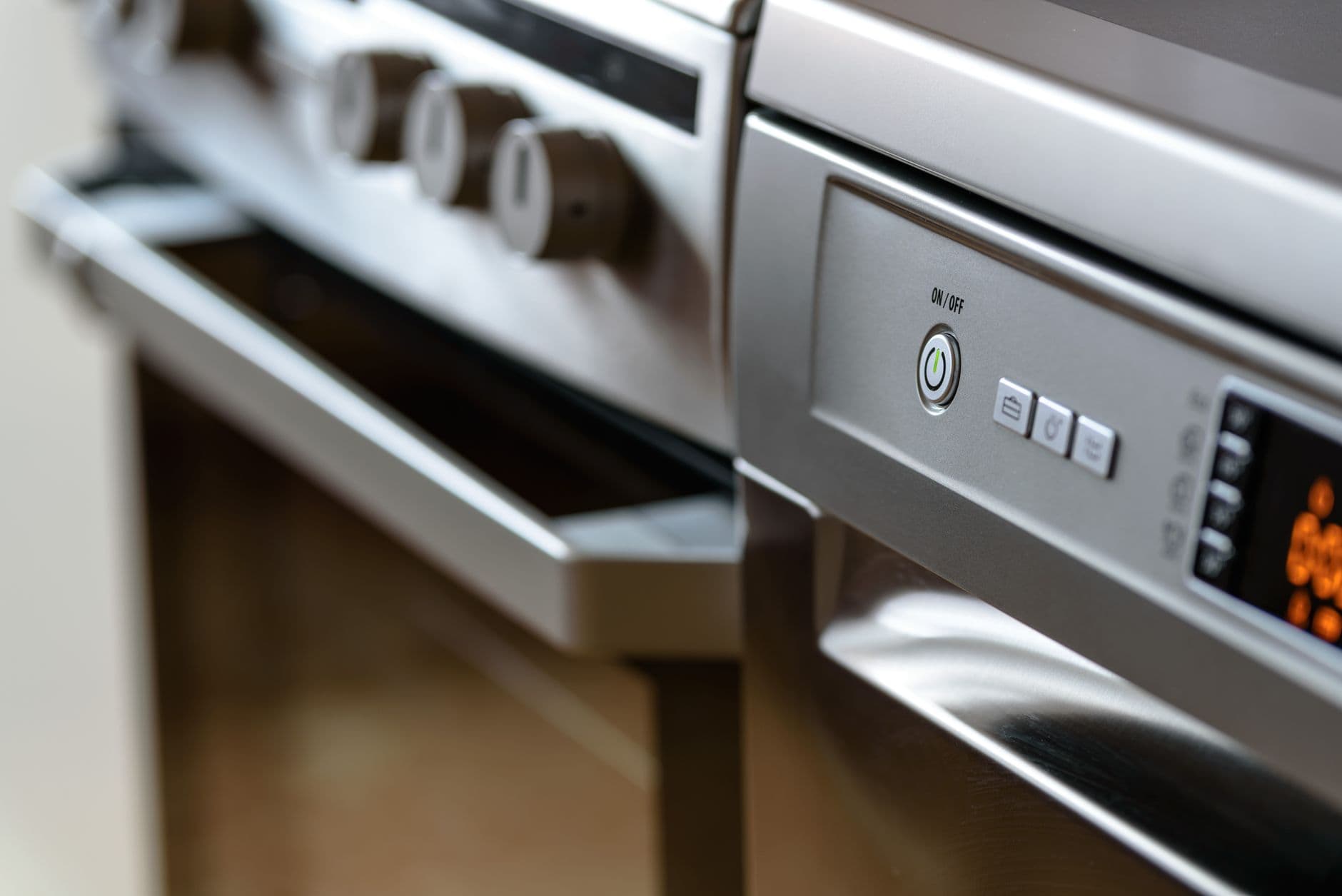
While the smart fridge had a manageable learning curve, the smart oven presented more challenges. Priced at $1,800, I had high expectations for this appliance. Installation was straightforward, but getting it to function properly was another story. The oven's app didn't align with our home's Wi-Fi, leading to a frustrating two-hour setup call with customer support. This was an unexpected hurdle and a reminder that technology can have its quirks. The next day, I tried the remote preheat feature while at work, only to discover I'd set the temperature in Celsius instead of Fahrenheit. This misstep resulted in a barely warm oven when I arrived home, delaying dinner by an hour. After recalibrating the settings and familiarizing myself with the app interface, I found the remote preheat feature invaluable. It saved me approximately 20 minutes, giving me more time to unwind after a long day.
Smart Appliances vs. Traditional: A Comparison
While smart appliances offer convenience and a touch of modernity, traditional ones shouldn't be dismissed outright. Based on my experiences, here's a quick comparison of smart versus traditional models, highlighting some key differences:
| Feature | Smart Appliance | Traditional Appliance |
|---|---|---|
| Fridge Alerts | Push notifications | Manual checking |
| Oven Preheat | Remote app control | Manual dial |
| Energy Efficiency | Adaptive usage | Static settings |
| Price Point | Higher initial cost | More budget-friendly |
| Learning Curve | Moderate to high | Minimal |
Tips for a Smooth Smart Kitchen Transition
Transitioning to a smart kitchen can be daunting, but with the right approach, it can be a smooth process. Here are some tips from my journey that can help ease the transition:
- Ensure your Wi-Fi signal is strong where your appliances are located. A weak signal can cause delays and connection issues.
- Spend time familiarizing yourself with the appliance apps before relying on them for crucial tasks. This understanding will save you from potential mishaps.
- Keep a manual backup plan, like a traditional timer or thermometer, just in case the tech fails at an inopportune moment.
- Regularly update the firmware of your appliances to keep them running smoothly and to take advantage of new features and security updates.
- Organize your kitchen layout to best utilize the smart features, such as placing items in the fridge where the camera has a clear view.
Q&A: Navigating the Smart Kitchen
Q: Are smart appliances worth the expense?
Smart appliances can be a worthwhile choice if you value convenience and tech integration. They offer features that save time and energy but come with a learning curve.
Q: How reliable are smart appliances?
Reliability can vary; they're generally dependable but can face connectivity issues. Keeping them updated helps maintain performance. My smart fridge, for instance, initially struggled with its inventory tracking, but improved notifications after rearranging my items made it much more reliable.
Q: What happens during a power outage?
Most smart appliances revert to basic functionality during a power outage, but you may lose certain smart features until power is restored. During a short power cut, my smart oven retained its cooking settings but lost connection to my app.
Q: Can I install these appliances myself?
Installation can often be done yourself, but professional help is advisable for complex integrations to ensure correct setup and avoid voiding warranties. I was able to set up my smart fridge solo, but needed assistance with the oven app integration.
EditorialOur Take
Smart appliances have undeniably changed how I operate in the kitchen. While they didn't come without frustrations, learning to navigate their quirks has been rewarding. They're perfect for tech enthusiasts who value efficiency and modern conveniences. However, they may not be the best fit for those who prefer simplicity and traditional methods. If you decide to take the plunge, be prepared for an initial learning period. I would recommend them for anyone ready to invest time in learning their ins and outs and who doesn't mind the occasional tech hiccup.
Published on .
Share now!

Sophia Bennett
Kitchen & Pantry Writer
Sophia Bennett covers the kitchen for Dailynib, from pantry organization to keeping produce fresh longer. She cooks most nights and treats her own kitchen as a testing lab for storage and prep tips. Sophia likes practical advice that saves time and reduces food waste. Sophia uses AI tools to research, draft, and help keep these articles accurate.
More from Sophia →The information on this site is of a general nature only and is not intended to address the specific circumstances of any particular individual or entity. It is not intended or implied to be a substitute for professional advice.
Get our best tips in your inbox
A short, practical email now and then. No spam, and you can unsubscribe anytime.