Published on:
11 min read
Warts Treatment Trends: What Works Best in 2026
Wart treatment has changed meaningfully in the last few years, and in 2026 the best options are no longer just the old pharmacy staples people remember from childhood. This guide breaks down what is actually working now for common, plantar, flat, and periungual warts, including where home treatment still makes sense, when prescription therapies outperform over-the-counter products, and why recurrence remains such a frustrating issue. You will also learn how clinicians are using combination therapy, lesion-specific planning, and newer evidence around immunotherapy to improve clearance rates. If you want practical advice grounded in current dermatology trends rather than hype, this article will help you choose the right next step, avoid wasting months on low-yield methods, and understand when a stubborn wart needs professional care.

- •Why wart treatment looks different in 2026
- •What still works best at home, and where people waste time
- •Clinic treatments gaining traction: from cryotherapy to immunotherapy
- •Which treatment fits which wart: the practical comparison patients need
- •The biggest 2026 trend: combination therapy and smarter follow-through
- •Key takeaways: how to choose the best treatment and when to see a professional
- •Conclusion: the smartest next step for wart treatment in 2026
Why wart treatment looks different in 2026
Warts are still caused by human papillomavirus, but the way clinicians think about treatment in 2026 is more targeted than it was even five years ago. The old approach was simple: freeze it, burn it, or put salicylic acid on it and hope for the best. Today, the trend is matching the treatment to the wart type, body location, patient age, pain tolerance, immune status, and how quickly results are needed. That matters because a thick plantar wart on a runner’s heel behaves very differently from flat warts on a teenager’s forehead or periungual warts around the nails.
One reason treatment strategy has shifted is recurrence. Research summaries published over the last several years continue to show that no single therapy works perfectly, and many clearance rates vary widely depending on the study design. Salicylic acid remains a first-line option because it is accessible and backed by decades of use, but it often requires 8 to 12 weeks of disciplined application. Cryotherapy can work faster, yet it is not automatically better for every patient and can be painful enough to reduce follow-through.
Another 2026 trend is combination therapy. Dermatologists increasingly pair lesion debridement with salicylic acid, or use cryotherapy along with topical immune-modulating or keratolytic agents. In real practice, this tends to outperform a one-size-fits-all plan.
Why it matters: most people do not fail wart treatment because the wart is untreatable. They fail because they use the wrong method, stop too early, or underestimate how much wart type changes the odds of success.
What still works best at home, and where people waste time
For home treatment in 2026, salicylic acid is still the workhorse, especially in strengths around 17 percent for common warts and up to 40 percent in pads or plasters for plantar warts. It is not trendy, but it remains one of the best-value options because it slowly dissolves infected keratin while encouraging local immune activity. The catch is consistency. A person who applies it nightly after soaking and gently filing thick skin usually gets much better results than someone who uses it three times a week and quits after ten days.
A realistic example: a 32-year-old with a plantar wart under the forefoot may need 6 to 12 weeks of treatment, with weekly thinning of dead skin using an emery board or pumice reserved only for that wart area. Used correctly, this approach often beats expensive gimmicks marketed online.
What tends to waste time in 2026 is not a lack of options but poor adherence and overhyped products. Many “natural” solutions still have weak evidence.
Pros of home treatment:
- Low cost, often under $10 to $30 for a full treatment cycle
- Convenient for small, uncomplicated warts
- Especially useful for patients who want to avoid office procedures
- Slow, often requiring two to three months
- Easy to do incorrectly, especially on thick plantar skin
- Risk of skin irritation if applied beyond the wart margin
Clinic treatments gaining traction: from cryotherapy to immunotherapy
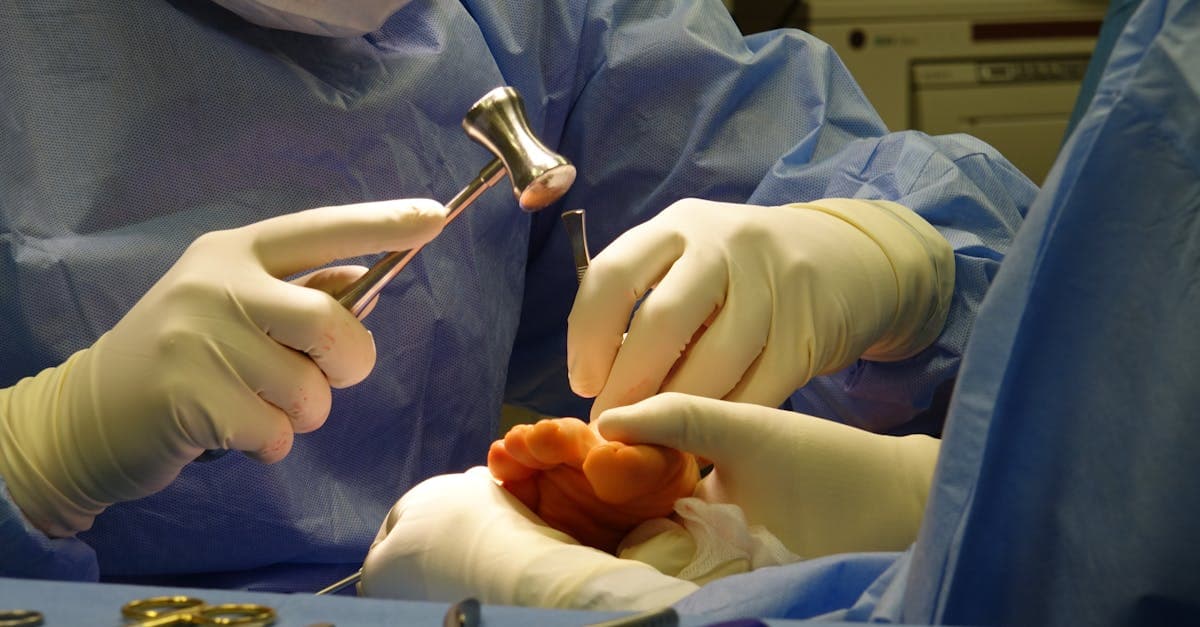
In-office treatment trends in 2026 are centered on balancing clearance speed with recurrence risk and patient comfort. Cryotherapy with liquid nitrogen remains common because it is widely available and can be effective for common warts. Typical sessions are spaced every 2 to 3 weeks, and many patients need 3 to 4 visits rather than the one-and-done result they expect. The biggest limitation is pain, especially for children and for plantar lesions on weight-bearing areas.
Cantharidin-based treatments have also gained renewed attention in many practices because they can be less traumatic during application and useful for selected patients, particularly children. Meanwhile, immunotherapy has moved from niche to mainstream discussion for stubborn or multiple warts. Dermatologists may use intralesional antigens such as Candida in selected cases to stimulate the immune system to recognize HPV. This is especially interesting when a patient has several warts, because treating one lesion can sometimes help others regress.
Pros of clinic treatment:
- Faster escalation for stubborn lesions
- Better for painful, bleeding, or periungual warts
- Useful when diagnosis is uncertain and a clinician needs to confirm it is truly a wart
- Higher cost, often involving repeated visits
- Pain, blistering, pigment changes, or temporary functional discomfort
- Not all clinics offer newer modalities or immunotherapy
Which treatment fits which wart: the practical comparison patients need
The most useful treatment trend in 2026 is lesion-specific planning. Common warts on fingers often respond to salicylic acid, cryotherapy, or a combination of both. Plantar warts usually need more aggressive keratolysis because thick callused skin blocks penetration. Flat warts, especially on the face, require a gentler plan because destructive treatments can leave marks more troubling than the wart itself. Periungual warts are among the hardest to manage and are a strong reason to seek professional care earlier.
This is where many people go wrong: they choose treatment based on what is popular online rather than what suits the wart’s biology and location. A teenager with flat facial warts should not copy the same strong acid routine used by an adult with a heel wart. Likewise, an athlete with a deep mosaic plantar wart may need debridement and a clinician-guided plan to avoid months of pain.
The broad comparison below captures what patients and clinicians are prioritizing in 2026: time to response, convenience, and recurrence management rather than just initial clearance.
| Treatment | Best For | Typical Time Frame | Main Advantage | Main Drawback |
|---|---|---|---|---|
| Salicylic acid | Common and plantar warts | 6 to 12 weeks | Low cost and strong first-line option | Requires disciplined daily use |
| Cryotherapy | Common warts, selected plantar warts | Several sessions over 4 to 10 weeks | Faster office-based escalation | Pain and blistering are common |
| Cantharidin-based treatment | Selected common warts, pediatric cases | Often multiple visits | Less painful during application | Availability varies by clinic |
| Intralesional immunotherapy | Recalcitrant or multiple warts | Several office sessions | May help distant untreated warts regress | Not ideal for every patient |
| Combination therapy | Stubborn plantar or recurrent lesions | Varies by protocol | Improves odds when single therapy fails | More complex and sometimes costlier |
The biggest 2026 trend: combination therapy and smarter follow-through
If there is one trend separating successful wart treatment in 2026 from frustrating trial and error, it is combination therapy paired with better patient follow-through. Warts are protected by thickened skin and by HPV’s ability to evade local immune detection. That is why a single treatment often underperforms. Combining methods attacks more than one problem at once: reducing the wart’s bulk, improving medication penetration, and stimulating immune recognition.
A common real-world example is plantar wart management. A podiatrist or dermatologist may pare down the wart, apply cryotherapy or another office treatment, then instruct the patient to continue salicylic acid at home between visits. In stubborn cases, adding immunotherapy changes the equation again. This layered approach is increasingly common because it reflects how warts behave in actual patients, not just in simplified treatment charts.
Follow-through is the other half of the story. Many recalcitrant warts are not truly resistant; they are undertreated. Patients skip debridement, stop once the surface looks flatter, or restart treatment only after the wart becomes painful again.
Practical tips that improve outcomes:
- Photograph the wart every two weeks to track real progress
- Set a calendar reminder for nightly treatment and weekly thinning of dead skin if advised
- Replace shoes or socks habits that keep plantar skin damp if athlete’s foot or sweating is also present
- Do not pick at warts, which can spread virus to adjacent skin
Key takeaways: how to choose the best treatment and when to see a professional
The best wart treatment in 2026 is the one that matches the lesion, the patient, and the timeline. For many people, that still starts with salicylic acid because it is affordable, accessible, and effective when used correctly. For others, especially those with painful plantar warts, periungual warts, or multiple recurrent lesions, clinic-based escalation makes more sense much earlier.
Use this decision framework if you want a practical next step:
- Choose home treatment first if the wart is small, clearly identified, not on the face or genitals, and not causing significant pain
- Choose professional evaluation sooner if the wart is near a nail, bleeds, changes color, grows rapidly, or is interfering with walking or hand function
- Ask about combination therapy if one method has failed after 8 to 12 weeks of proper use
- Ask whether immunotherapy is appropriate if you have several warts or repeated recurrence
- If you have diabetes, poor circulation, neuropathy, or immunosuppression, avoid self-treating aggressively without medical guidance
Conclusion: the smartest next step for wart treatment in 2026
The headline for 2026 is simple: old standbys still matter, but they work best when used strategically. Salicylic acid remains the best first move for many uncomplicated warts, while cryotherapy, cantharidin-based options, and immunotherapy are reshaping care for stubborn or high-impact cases. The biggest improvement is not a single breakthrough product. It is the growing use of lesion-specific treatment plans and combination therapy.
If you are treating a wart now, start by identifying the type and location, commit to a realistic treatment timeline, and document progress every two weeks. If there is no meaningful improvement after 8 to 12 weeks of proper use, book a dermatology or podiatry visit instead of repeating the same routine. Acting early, using the right method, and sticking with it consistently are still the factors most likely to determine whether the wart clears for good.
Published on .
Share now!
VS
Violet Stevens
Author
The information on this site is of a general nature only and is not intended to address the specific circumstances of any particular individual or entity. It is not intended or implied to be a substitute for professional advice.