Published on:
10 min read
Varicose Veins Explained: Causes, Symptoms, and Trends
Varicose veins are often dismissed as a cosmetic issue, but that view misses the bigger picture. For many people, they are a visible sign of underlying vein dysfunction that can lead to aching, heaviness, swelling, skin changes, and a measurable drop in quality of life. This article breaks down what varicose veins actually are, why they happen, who is most at risk, and how symptoms tend to progress over time. It also looks at modern treatment trends, from compression therapy and lifestyle strategies to minimally invasive procedures that have largely replaced traditional vein stripping in many clinics. Along the way, you will find practical guidance on when symptoms warrant medical evaluation, what current evidence suggests about prevention, and how to make smarter decisions if you are weighing treatment options for yourself or a family member.

- •What varicose veins are and why they matter beyond appearance
- •The main causes: genetics, pressure, hormones, and daily habits
- •Symptoms, warning signs, and when a doctor visit should not wait
- •How varicose veins are treated today, from compression to minimally invasive procedures
- •Prevention, symptom control, and everyday strategies that actually help
- •Current trends in varicose vein care and what patients should know next
What varicose veins are and why they matter beyond appearance
Varicose veins are enlarged, twisted veins that usually appear on the legs and feet when one-way valves inside the veins stop working efficiently. Instead of moving smoothly back toward the heart, blood pools in the vein, increasing pressure and stretching the vessel wall. That is why the veins can look rope-like, blue, purple, or bulging beneath the skin. Spider veins are related but different; they are smaller, closer to the skin surface, and usually less symptomatic.
This is not a niche issue. Chronic venous disease affects a large share of adults worldwide, and studies commonly estimate that visible varicose veins affect roughly 20 percent to 30 percent of adults, with prevalence rising with age. Women are diagnosed more often than men, but men frequently underreport symptoms or wait longer before seeking treatment. In practical terms, a person may live with leg heaviness for years before realizing the problem is vascular rather than muscular.
Why it matters is simple: untreated vein disease can progress. Early discomfort may later become ankle swelling, night cramps, itching, skin discoloration, or venous ulcers in severe cases. These ulcers can be stubborn and expensive to manage, especially in older adults.
Common impacts include:
- Aching or throbbing after long periods of standing
- A heavy, tired feeling in the legs late in the day
- Cosmetic self-consciousness that affects clothing choices or confidence
- Reduced physical activity because movement feels uncomfortable
The main causes: genetics, pressure, hormones, and daily habits
Varicose veins develop when vein walls weaken or the valves inside the veins become less effective. Genetics is one of the strongest risk factors. If one parent has varicose veins, your risk rises noticeably; if both parents do, the odds climb even more. Family history often explains why one person develops visible veins in their thirties while a coworker with a similar routine does not.
Pressure also plays a major role. The leg veins must push blood upward against gravity, so anything that increases venous pressure over time can contribute. Jobs that involve prolonged standing, such as teaching, nursing, retail, factory work, and hairstyling, are classic examples. A nurse on a 12-hour shift may finish the day with swollen ankles and aching calves even if she is otherwise healthy.
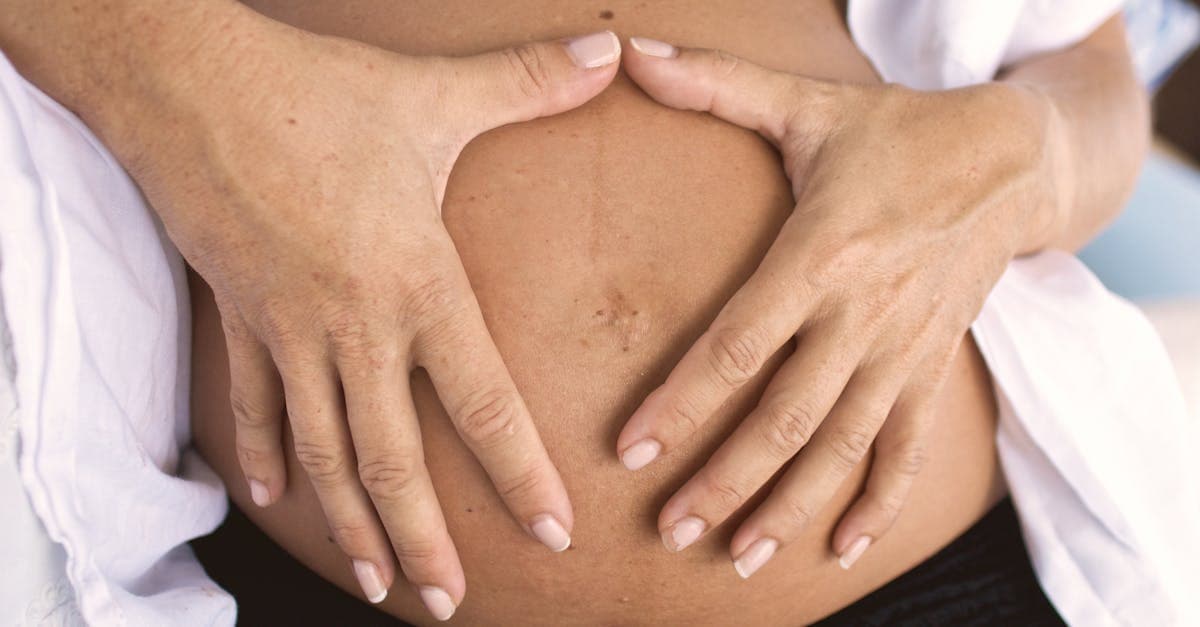
Hormonal shifts matter too. Pregnancy is a common trigger because blood volume increases, the growing uterus adds pressure in the pelvis, and progesterone relaxes blood vessel walls. Many people notice new veins during a second or third pregnancy. Weight gain can compound the problem by adding extra strain on the venous system.
Other contributors include:
- Age, because valve function tends to decline over time
- Obesity, which is associated with higher venous pressure and worse symptoms
- Low activity levels, since calf muscle contractions help pump blood upward
- Previous blood clots, which can damage venous flow pathways
- You can act earlier with lifestyle changes and medical advice
- You are less likely to dismiss symptoms as normal aging
- Symptoms often become more persistent and harder to manage
- Skin damage and swelling can develop gradually before you notice the severity
Symptoms, warning signs, and when a doctor visit should not wait
Not every varicose vein hurts, which is one reason many people put off evaluation. But symptom severity does not always match how dramatic the veins look. Someone with only a few visible veins may have significant aching or burning, while another person with obvious bulging veins may report little pain. That mismatch makes symptom awareness more important than appearance alone.
Typical symptoms include aching, throbbing, heaviness, itching, restlessness in the legs, ankle swelling, and cramping that worsens after standing or sitting for long periods. Many people say the discomfort peaks in the evening and improves after elevating the legs. Skin may become dry, flaky, or darker around the ankles due to chronic inflammation and iron deposition from leaking blood cells.
Certain warning signs deserve faster medical attention. A painful, hard cord-like vein may signal superficial thrombophlebitis. Sudden one-sided swelling, calf pain, warmth, and shortness of breath raise concern for deep vein thrombosis or a pulmonary embolism, which is urgent. Bleeding from a varicose vein can also be surprisingly brisk because the vein pressure is elevated.
A useful real-world rule is this: if the leg changes are affecting your routine, sleep, exercise, work, or skin integrity, it is time for an evaluation. Many vein specialists use duplex ultrasound to map reflux and confirm which veins are malfunctioning before recommending treatment.
Red flags to take seriously:
- Skin discoloration around the ankle
- A sore that is slow to heal
- Recurrent swelling in one or both legs
- Tenderness over a vein after recent travel or immobilization
How varicose veins are treated today, from compression to minimally invasive procedures
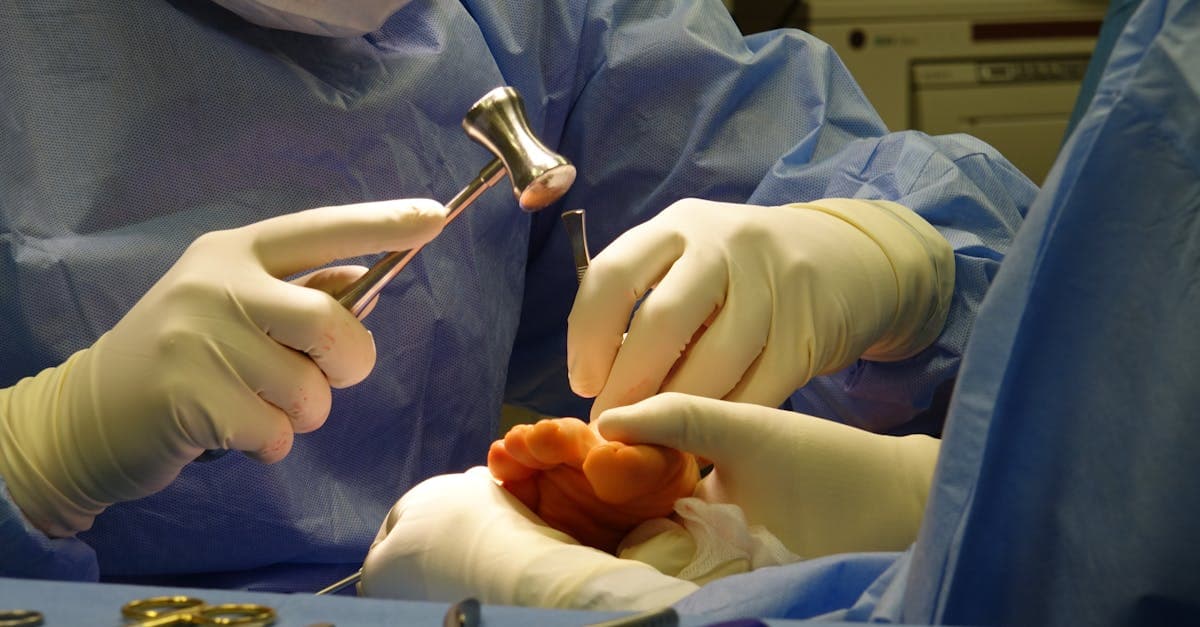
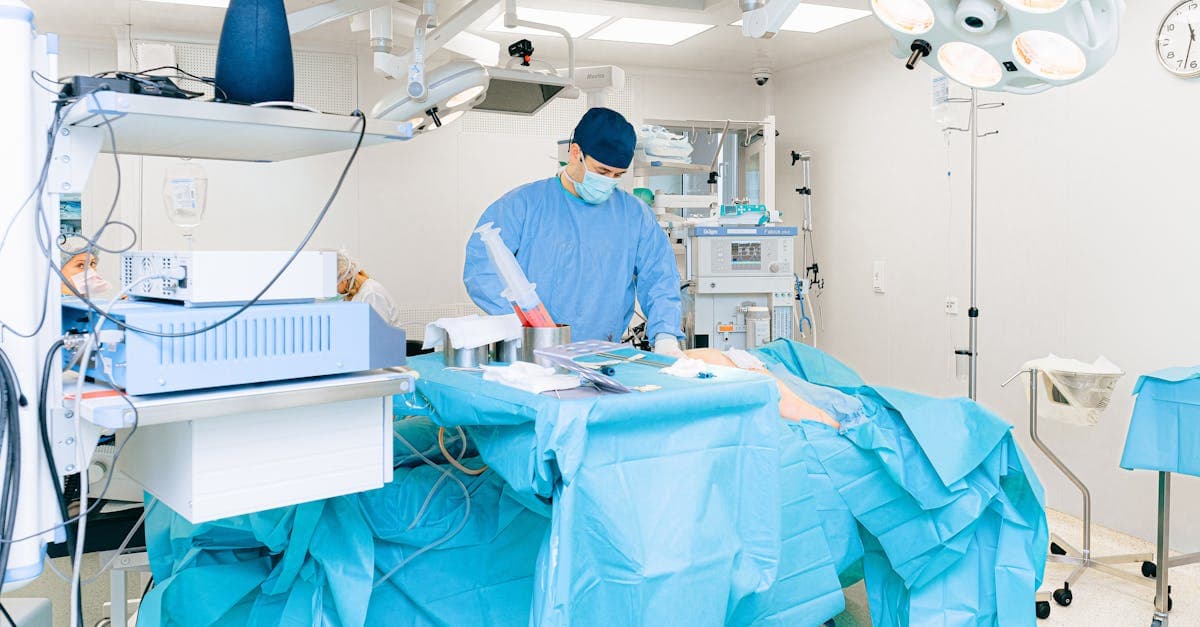
Treatment has changed significantly over the past two decades. The old image of hospital-based vein stripping under general anesthesia no longer reflects the most common experience in many clinics. Today, minimally invasive approaches such as endovenous laser ablation, radiofrequency ablation, ultrasound-guided foam sclerotherapy, and adhesive closure are widely used. These are often performed in an outpatient setting with local anesthesia, and many patients walk out the same day.
Compression stockings remain a common first-line measure, especially for symptom control. They can reduce swelling and leg fatigue, but they do not fix the underlying faulty valve. That distinction matters. A person who feels better in 20 to 30 mmHg compression during work hours may still have progressive venous reflux on ultrasound.
Treatment choices depend on vein size, anatomy, symptoms, prior clotting history, and cost coverage. For example, a bulging great saphenous vein with documented reflux may be treated with thermal ablation, while smaller residual veins might be addressed with sclerotherapy afterward for symptom and cosmetic improvement.
Pros of modern minimally invasive treatment:
- Faster recovery and less postoperative discomfort than traditional stripping
- High closure rates in many studies, often above 90 percent for selected patients
- Often done without a hospital stay
- Recurrence can still happen over time, especially if multiple vein segments are involved
- Insurance coverage varies and cosmetic-only treatment may not be covered
- Some patients need more than one session for best results
Prevention, symptom control, and everyday strategies that actually help
You cannot fully out-exercise genetics, but you can reduce symptom burden and possibly slow progression. The most useful daily habit is movement. Walking activates the calf muscle pump, which helps move blood upward from the legs. Even brief movement breaks matter. For someone at a standing desk or on a retail floor, two to three minutes of walking every 30 to 60 minutes can reduce that end-of-day heavy-leg sensation.
Leg elevation helps because it temporarily lowers venous pressure. The key is proper positioning: feet above heart level is more effective than simply resting on an ottoman. Weight management also matters. Higher body mass index is associated with more severe chronic venous disease, and even moderate weight loss can reduce symptom load for some patients.
Compression stockings are helpful when used correctly, but compliance is the challenge. Many people stop wearing them because they are hot, difficult to put on, or uncomfortable in humid weather. If you are more likely to wear a lower-profile pair consistently, that practical reality often beats buying a stronger pair that stays in the drawer.
Helpful habits include:
- Walking most days of the week, especially after long periods of sitting
- Avoiding prolonged static standing when possible
- Elevating legs for 15 to 20 minutes after work or exercise
- Discussing pregnancy-related symptoms early if swelling worsens quickly
- Choosing shoes and clothing that do not feel overly restrictive at the calf or groin
Current trends in varicose vein care and what patients should know next
One of the biggest trends in vein care is the shift toward earlier evaluation, driven partly by awareness on social media and partly by better access to office-based ultrasound. Patients are no longer waiting until skin damage appears. That is a positive development because venous disease is easier to manage before complications set in. Another trend is the blending of medical and cosmetic goals. A person may first book a visit because of visible veins, then discover the aching and swelling are part of the same underlying problem.
Technology has also changed expectations. Ultrasound-guided diagnosis is now central, and newer closure techniques give clinicians more ways to tailor treatment. Adhesive closure, for example, can be useful in selected cases where avoiding tumescent anesthesia is desirable. At the same time, not every newer option is automatically better. Cost, operator experience, long-term data, and insurance coverage still matter.
Patients should also know that recurrence is common enough to discuss upfront. Veins can reappear because of untreated branches, new reflux pathways, hormonal changes, or ongoing pressure from lifestyle and body mechanics. A realistic doctor will explain maintenance, not promise a permanent one-time fix.
Key takeaways and practical tips:
- Seek evaluation if symptoms affect comfort, sleep, exercise, or skin health
- Ask for a duplex ultrasound if treatment is being considered
- Use compression as symptom management, not as a substitute for diagnosis
- Build movement breaks into your day if your job keeps you standing or sitting
- Treat sudden swelling, chest symptoms, or a painful hot leg as urgent medical issues
Published on .
Share now!
NB
Noah Brooks
Author
The information on this site is of a general nature only and is not intended to address the specific circumstances of any particular individual or entity. It is not intended or implied to be a substitute for professional advice.