Published on:
7 min read
Unlocking the Secrets of Plumbing Jobs: A Homeowner's Guide to DIY Success
Are you ready to tackle plumbing issues around your home? This guide provides essential tips and tricks for homeowners looking to handle plumbing jobs themselves. From minor leaks to fixture installations, boost your confidence and save money with DIY plumbing skills.
Understanding Your Plumbing System
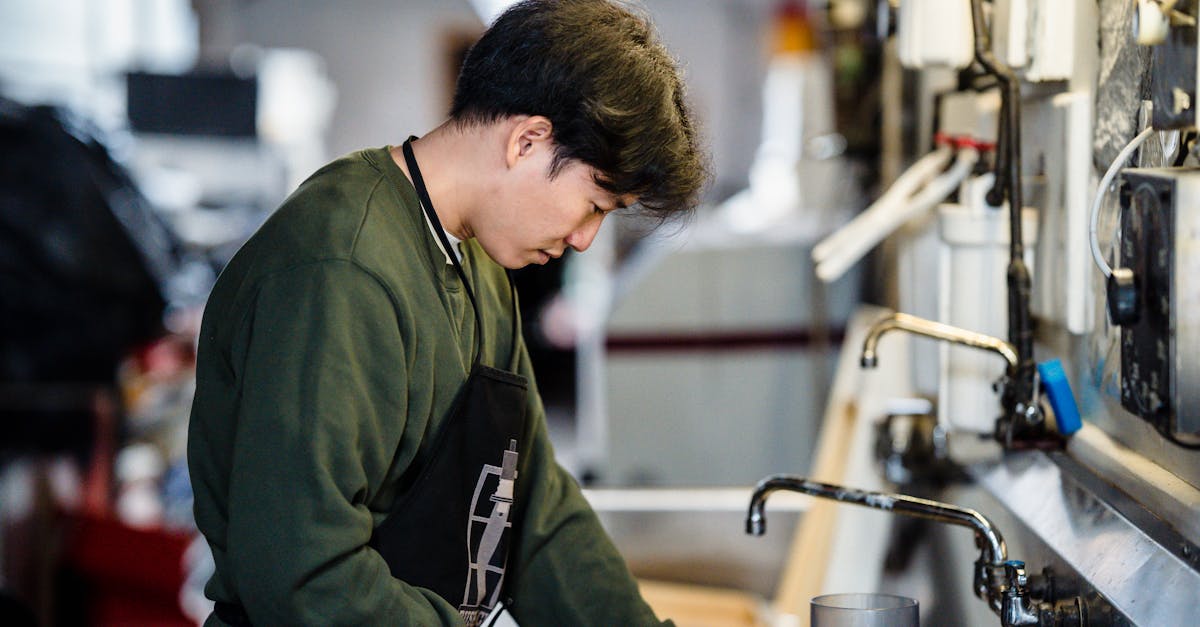
Before diving into any plumbing job, it's crucial to understand how your home's plumbing system works. The plumbing system consists of various components, including pipes, fixtures, and appliances designed to deliver and drain water efficiently. Familiarizing yourself with the main supply lines, drain systems, and water heaters can empower you as a DIY enthusiast. Additionally, knowing the layout can help you identify leaks or malfunctioning components quickly. You can often find diagrams in your home's plumbing manual or online. A basic understanding of plumbing can save time, cost, and trouble in the long run, enabling you to make informed decisions when issues arise.
Essential Tools for Plumbing Repairs
When it comes to taking on plumbing jobs, having the right tools can make all the difference. A well-stocked toolbox should include a plunger, adjustable wrenches, pipe wrenches, screwdrivers, Teflon tape, and a pipe cutter. Additionally, while minor leaks can often be fixed with simple tools, you might encounter situations demanding more specialized equipment, like a drain snake or a thermal camera for leak detection. Familiarizing yourself with how to use these tools correctly will not only enhance your efficiency but also help prevent accidental damage to your plumbing system. Remember, investing in good-quality tools upfront pays off when embarking on DIY plumbing projects.
Common Plumbing Problems and Fixes
Homeowners often face common plumbing issues such as clogged drains, leaky faucets, and running toilets. For a clogged drain, start by using a plunger and if that doesn't work, gently remove the trap under the sink to clear out any blockage. A leaky faucet can usually be fixed by replacing a worn-out washer or cartridge, which is a straightforward task. Meanwhile, a running toilet may require adjusting the float or replacing the flapper to stop wasting water. Familiarize yourself with these repairs, as understanding how to address them can save you time and money by avoiding unnecessary plumbing calls.
Conclusion
Mastering DIY plumbing can be incredibly rewarding for homeowners. With essential knowledge of your plumbing system, the right tools, and solutions to common problems, you can tackle many plumbing jobs with confidence. Remember, while DIY fixes can resolve many issues, don't hesitate to call a professional for complicated projects or persistent problems. Happy plumbing!
Published on .
Share now!