Published on:
6 min read
Unlocking New Paths: The Latest Innovations in Depression Clinical Trials
The landscape of depression treatment is evolving thanks to groundbreaking innovations in clinical trials. These advancements promise more targeted therapies and improved outcomes for those struggling with depression, redefining hope in mental health care.
The Role of Technology in Modern Clinical Trials
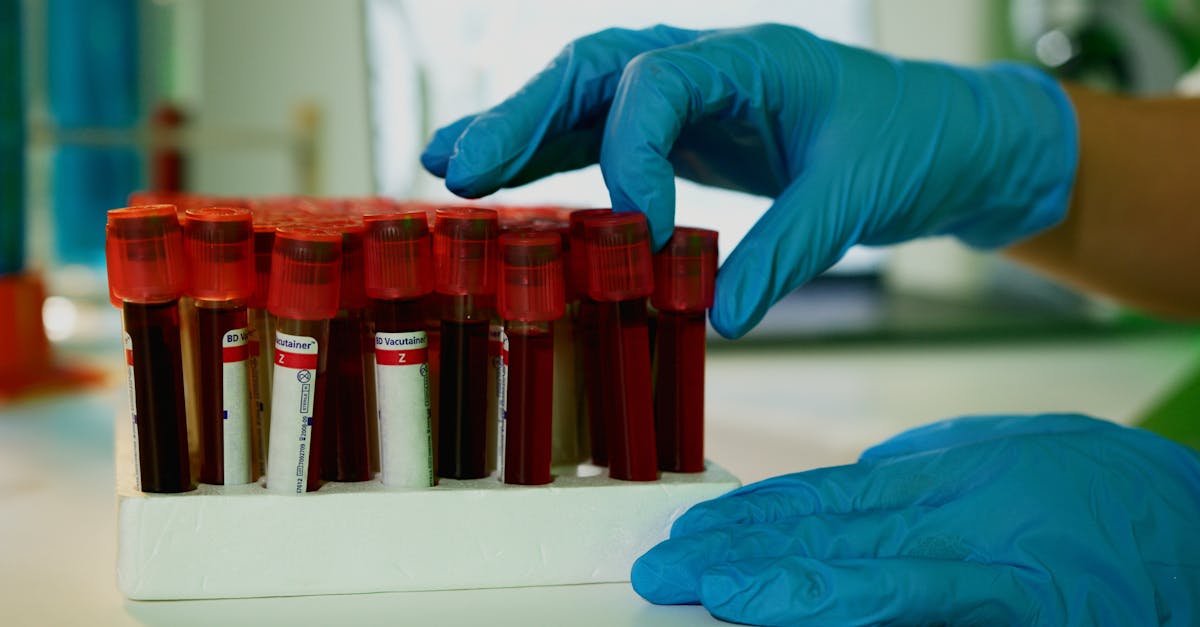
Technology has transformed the way clinical trials for depression are conducted. Through telemedicine and digital health tools, researchers can now monitor participants remotely, enabling a more comprehensive collection of data. Techniques such as wearables can track mood fluctuations, sleep patterns, and activity levels, offering real-time insights into the efficacy of new treatments. Moreover, mobile apps designed for symptom tracking provide a platform for participants to report their experiences easily, fostering better communication between them and researchers. These technological advancements not only enhance data quality but also encourage higher participation rates, ultimately leading to more robust findings. As a result, we are witnessing a shift towards a more patient-centered approach that prioritizes individual needs and experiences.
Personalized Medicine: Tailoring Treatments for Better Outcomes
One of the most exciting trends in depression clinical trials is the shift towards personalized medicine. By leveraging genomic research and biomarker analysis, scientists are gaining insights into the unique biological makeup of individuals with depression. This means treatments can be tailored specifically to a person’s genetic profile, increasing the likelihood of effectiveness while reducing side effects. Trials are now incorporating genetic testing as a standard procedure, allowing researchers to identify which medications might work best for specific individuals. This innovation marks a significant departure from the traditional one-size-fits-all approach, offering new hope for those who have not found relief from conventional therapies. As more data is gathered, the potential for creating bespoke treatment plans grows, signaling a new era in mental health care.
Innovative Therapy Modalities Tested in Clinical Settings
Recent clinical trials are exploring novel therapeutic modalities beyond traditional pharmacotherapy. Techniques such as cognitive behavioral therapy (CBT) are being integrated with pharmacological approaches to enhance treatment outcomes. Moreover, trials are examining the efficacy of psychedelic-assisted therapy, which focuses on substances like psilocybin and MDMA, showing promising results in treating resistant depression. These innovative modalities are not only changing the landscape of what is considered effective treatment but are also opening doors to broader acceptance of alternative therapies. Furthermore, the combination of psychotherapy with new technologies, such as virtual reality exposure therapy, offers immersive experiences that could better facilitate emotional processing for patients. These developments underscore the importance of comprehensive approaches that blend various therapeutic strategies.
Conclusion: A Hopeful Future for Depression Treatment
As we explore the latest innovations in clinical trials for depression, it becomes evident that a more nuanced and personalized approach to treatment is on the horizon. With the integration of technology, personalized medicine, and novel therapeutic modalities, we are not only unlocking new paths for research but also fostering hope for those fighting depression. The future looks brighter than ever for improved mental health outcomes.
Published on .
Share now!