Published on:
6 min read
Unlocking the Secrets of Dental Implant Trials: A Comprehensive Guide
This comprehensive guide delves into the intricate world of dental implant trials, exploring their significance in modern dentistry. Uncover the processes, benefits, and essential factors that affect the success of these groundbreaking procedures.
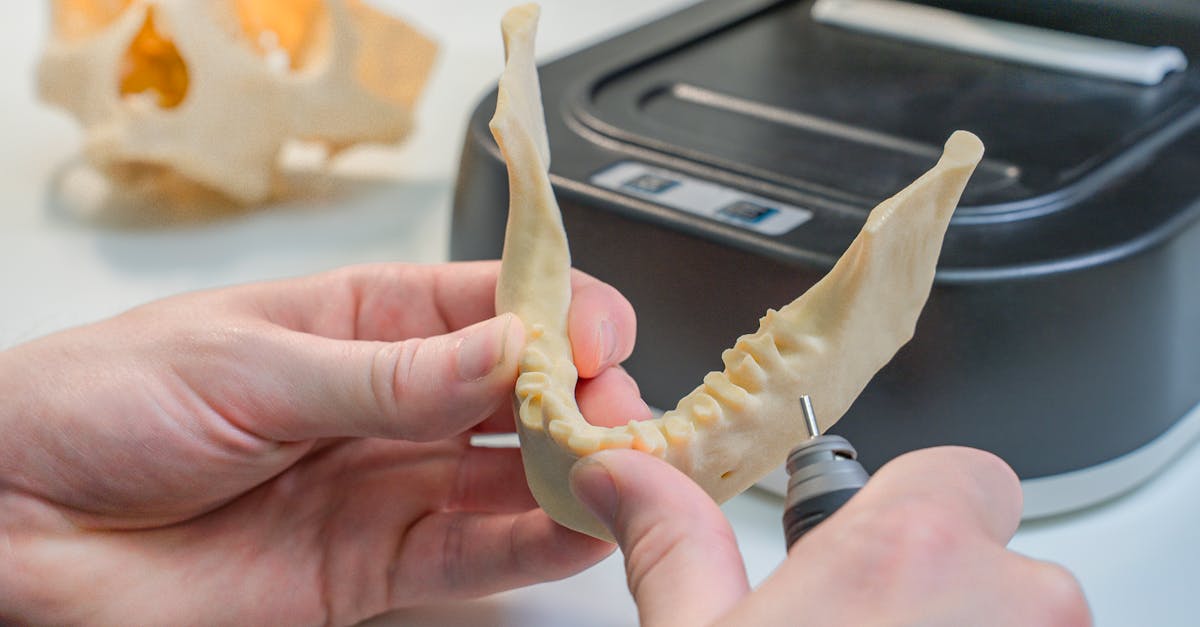
Understanding Dental Implants
Dental implants have revolutionized dentistry, providing a long-term solution for tooth loss. They consist of a titanium post that is surgically placed into the jawbone, serving as a sturdy foundation for replacement teeth. This innovative approach mimics the natural tooth root, ensuring stability and functionality. However, not every patient is an ideal candidate for this procedure. Factors such as bone density, oral hygiene, and overall health play a crucial role in determining an individual's eligibility. Furthermore, understanding the different types of implants available—endosteal and subperiosteal—can also help patients make informed decisions about their dental care.
The Importance of Clinical Trials
Clinical trials are essential in the development and refinement of dental implant technologies. These studies help researchers assess the effectiveness and safety of new techniques and materials before they are released to the public. Through controlled environments, researchers gather data on patient outcomes, recovery times, and potential complications. Participating in trials might also offer patients access to advanced treatments at reduced costs. However, it’s vital for potential participants to be aware of the potential risks and benefits, and to discuss their involvement with their dental care provider to ensure informed consent.
Factors Influencing Success Rates
Several factors can influence the success rates of dental implants, from the skill of the oral surgeon to the patient's health. Research indicates that patients who maintain good oral hygiene and follow post-operative care instructions see higher success rates. Moreover, smoking and certain medical conditions, such as diabetes or autoimmune disorders, can hinder the healing process and lead to implant failure. Regular follow-up appointments with dental professionals ensure that any potential issues are addressed promptly, enhancing the likelihood of a successful outcome and long-lasting results. It's essential to establish a clear communication line with your dental team for optimal care.
Conclusion
In conclusion, understanding dental implant trials and their significance can empower patients to make informed decisions about their oral health. By considering the various factors influencing success rates and the crucial role clinical trials play, individuals can navigate this complex landscape with greater confidence. Always consult with experienced dental professionals to explore the best options for your unique needs.
Published on .
Share now!