Published on:
5 min read
Understanding Vascular Surgery: Advances that Save Lives and Enhance Health
Vascular surgery is a crucial field that addresses diseases affecting blood vessels. Recent advances in the techniques and technologies used in this specialty have not only saved lives but also improved the quality of life for many patients.
What is Vascular Surgery?
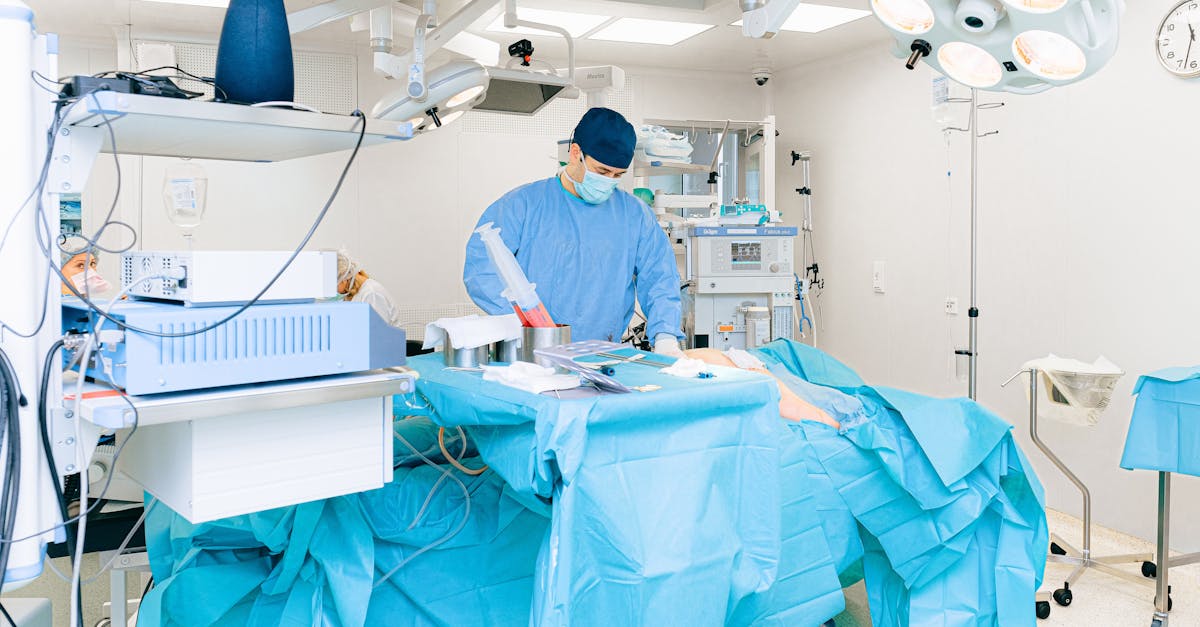
Vascular surgery is a specialized branch of surgery that focuses on diseases of the vascular system, which includes arteries and veins. This specialty encompasses a wide range of conditions such as aneurysms, carotid artery disease, varicose veins, and peripheral artery disease. Vascular surgeons use both traditional open surgery and minimally invasive techniques, including endovascular surgery, to treat these conditions. The goal of vascular surgery is not only to remedy immediate health issues but also to prevent serious complications like stroke or limb loss by restoring proper blood flow to affected areas.
Technological Innovations in Vascular Surgery
Innovations in technology have profoundly transformed the field of vascular surgery. Techniques such as robotic surgery and advanced imaging technologies like 3D angiography allow for more precise interventions. Robotic systems enable surgeons to perform complex procedures with enhanced dexterity and visualization, minimizing trauma to surrounding tissues. Furthermore, the introduction of bioengineered grafts and stents offers patients improved outcomes, as these materials are tailored to promote healing and reduce the risk of future complications. These advancements not only enhance the surgeon's capabilities but also lead to faster recovery times for patients.
The Importance of Patient Education and Follow-Up Care
Successful vascular surgery extends beyond the operating room. A crucial but often overlooked aspect of vascular health involves educating patients about their conditions and the importance of follow-up care. Patient education includes lifestyle changes like adopting a heart-healthy diet, quitting smoking, and engaging in regular physical activity, which can significantly reduce the risk of recurrence. Follow-up appointments play a vital role in monitoring recovery and managing any emerging issues. By empowering patients with knowledge and involving them in their own care, healthcare providers can enhance long-term outcomes and prevent complications.
Conclusion
In summary, vascular surgery is an evolving field that has witnessed remarkable advances over recent years. Technologies and techniques have fundamentally improved patient outcomes, making surgical procedures safer and more effective. By understanding these advancements and prioritizing patient education, we can contribute to a healthier future where vascular diseases are effectively managed, leading to enhanced longevity and quality of life.
Published on .
Share now!