Published on:
8 min read
Transforming Lives: Effective Autism Therapy Techniques for Every Child
Discover transformative autism therapy techniques tailored for children. This post explores various effective methods to foster communication, social skills, and emotional well-being, assisting both children and their families on their journey to better understanding and support.
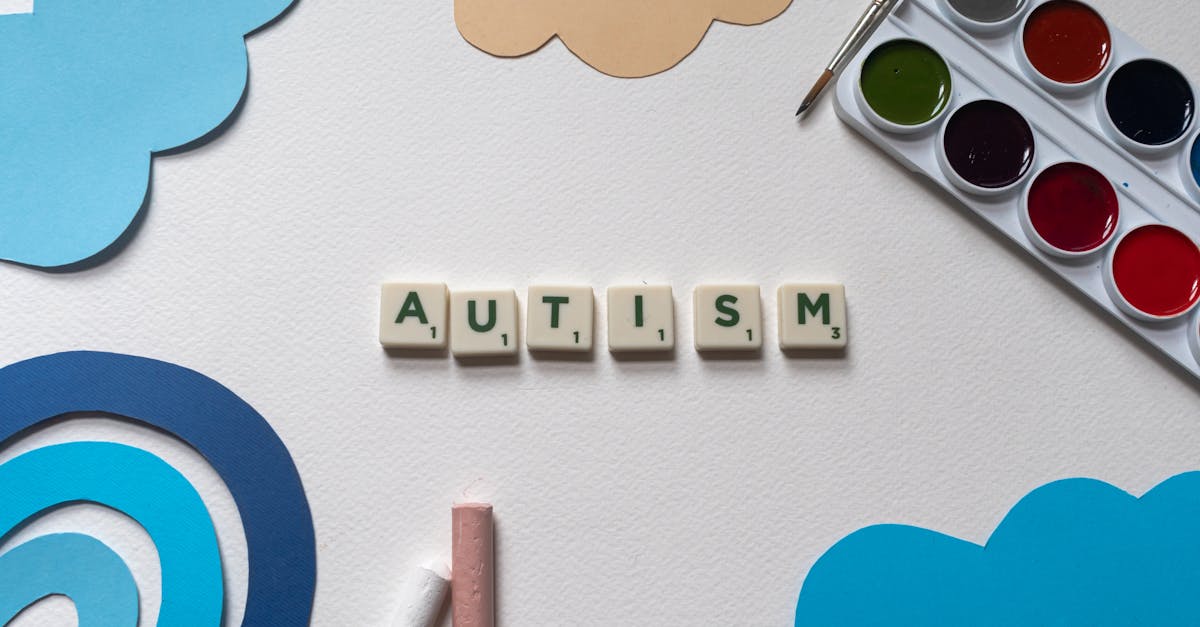
Understanding Autism Spectrum Disorder
Autism Spectrum Disorder (ASD) encompasses a range of neurodevelopmental conditions characterized by challenges in social interaction, communication, and repetitive behaviors. It’s essential for parents and caregivers to understand that every child on the spectrum is unique, exhibiting different strengths and challenges. Early diagnosis and intervention can significantly influence the developmental trajectory of children with autism. Professionals often recommend personalized therapy approaches tailored to the child's specific needs. The primary goal of these techniques is to enhance the child's language skills, emotional regulation, and social interactions, improving their overall quality of life and helping them reach their full potential.
Applied Behavior Analysis (ABA): A Proven Technique
One of the most widely recognized and effective therapies for children with autism is Applied Behavior Analysis (ABA). This evidence-based method focuses on reinforcing desired behaviors while decreasing undesirable behaviors through a system of rewards and consequences. ABA is particularly effective in improving communication skills, social interactions, and self-care abilities. Parents can implement ABA techniques at home by using positive reinforcement to encourage good behavior. For instance, offering praise or small rewards when a child successfully uses a new word or interacts socially can motivate them to continue practicing these skills. The ultimate aim of ABA is to empower children to become more independent and engaged in their communities.
The Power of Social Skills Training
Social skills training is essential for children with autism as it focuses on building crucial interpersonal abilities. Through structured activities and role-playing, children learn how to engage in conversations, interpret social cues, and establish friendships. This training is often enhanced through group sessions, allowing children to practice skills in a supportive environment. Programs may include activities such as playdates, group games, and discussions aimed at developing empathy and understanding in social contexts. Consistent practice and reinforcement at home can further solidify these skills, ensuring that children feel more confident and capable in social interactions, which is fundamental for their emotional and social development.
Conclusion: Empowering Every Child
In conclusion, effective autism therapy techniques play a vital role in transforming the lives of children with ASD. By focusing on understanding each child's unique needs and incorporating strategic therapies like ABA and social skills training, we can empower children to develop crucial life skills. As parents, educators, and caregivers, our collective support can make a significant difference in their journey, helping them thrive as individuals and members of society.
Published on .
Share now!