Published on:
8 min read
Transform Your Life: The Ultimate Guide to Building an Eco-Friendly Home
Embrace sustainability and transform your living space into an eco-friendly haven. This ultimate guide offers actionable insights on how to create a home that not only reduces your carbon footprint but also enhances your quality of life.
Understanding Eco-Friendly Living
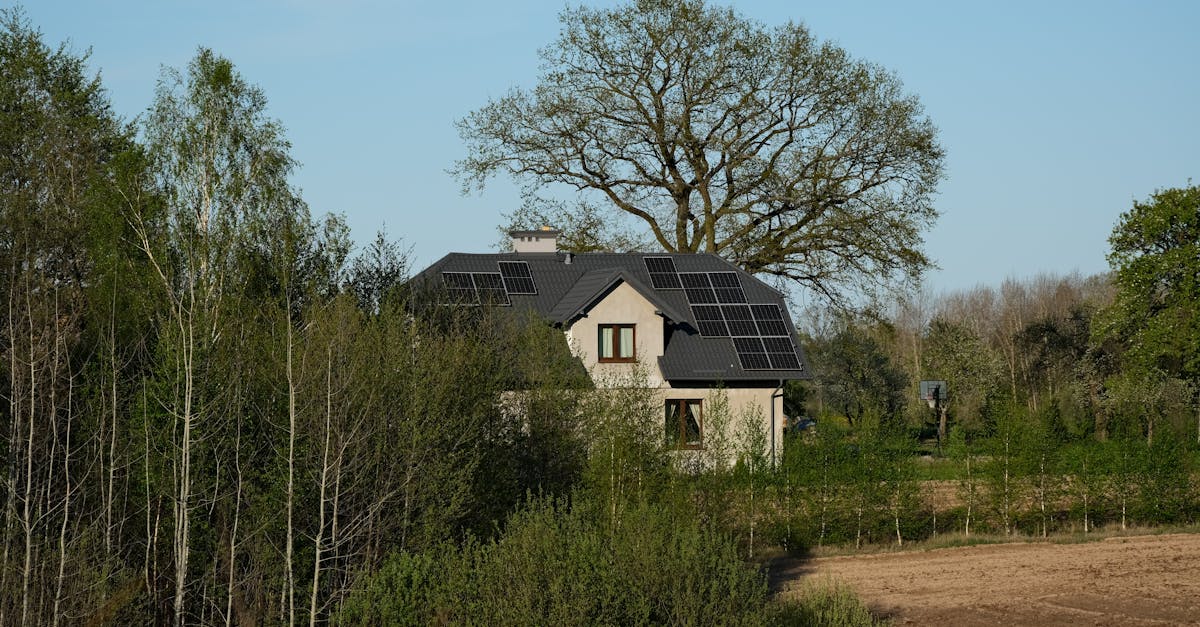
To embark on your journey toward an eco-friendly home, it's essential to grasp what sustainable living truly means. Eco-friendly living prioritizes reducing waste, conserving energy, and utilizing resources wisely. This lifestyle transcends mere practices; it encourages a holistic view where every choice impacts the planet's health. Begin by reflecting on your daily habits – consider how often you recycle, use single-use products, or waste energy. From using energy-efficient appliances to prioritizing renewable energy sources, small steps can lead to significant changes. Focus on how you can create a home environment that includes more sustainable materials and designs, ultimately enhancing your well-being alongside planet health.
Building with Sustainable Materials
The foundation of an eco-friendly home is built with sustainable materials. Opting for bamboo flooring, reclaimed wood, or recycled metal can significantly reduce your carbon footprint. Not only are these materials more durable, but they often require less energy to produce, contributing to less environmental degradation. Additionally, consider adding insulation made from environmentally friendly materials like sheep wool or cellulose, which can help save on heating and cooling costs while ensuring a snug environment. When designing your space, incorporate ample natural lighting to reduce the need for artificial light. These choices not only promote sustainability but also create a warm, inviting atmosphere in your home.
Integrating Indoor and Outdoor Spaces
A significant aspect of an eco-friendly home is seamlessly blending indoor and outdoor spaces, enhancing your connection to nature. Start by incorporating large windows or glass doors that allow natural light to flood your interiors while offering stunning views of your garden or patio. Consider implementing vertical gardens or green walls to improve indoor air quality and aesthetic appeal. An outdoor space can serve as an extension of your living area; creating a cozy patio with eco-friendly furniture made from recycled materials is one way to engage with nature. Seek to maximize your outdoor area for gardening, creating a habitat for wildlife, and harvesting your food, which boosts both your mental health and sustainability efforts.
Conclusion
Transforming your home into an eco-friendly space is a fulfilling journey that can lead to substantial lifestyle improvements. By making conscious choices about materials, energy use, and your connection with nature, you not only create a healthier environment for yourself but also contribute positively to the planet. Start small, stay committed, and watch as your eco-friendly efforts lead to a more sustainable and harmonious living experience.
Published on .
Share now!