Published on:
6 min read
Stem Cell Therapies: The Revolutionary Approach to Regenerative Medicine
Stem cell therapies are transforming the landscape of medicine, offering groundbreaking solutions for previously untreatable conditions. These innovative treatments harness the body's own repairing capabilities, paving the way for a healthier future.
Understanding Stem Cells
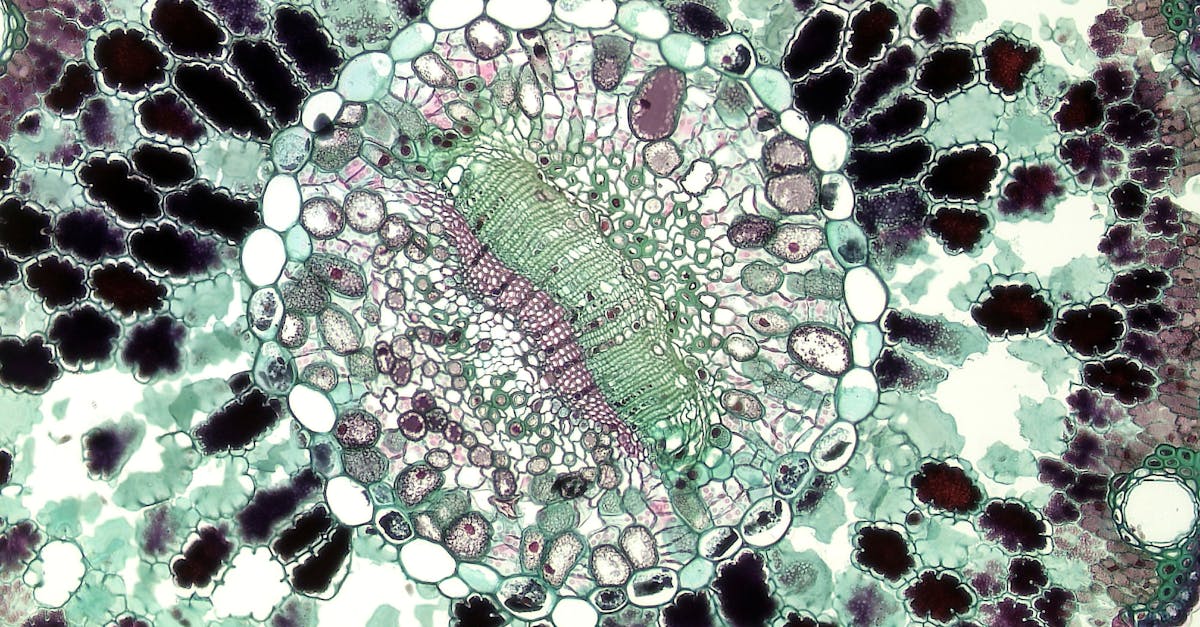
Stem cells are unique cells capable of developing into different cell types in the body. They play a crucial role in repairing tissues and maintaining overall health. There are two primary types of stem cells: embryonic stem cells, which are derived from embryos, and adult stem cells, found in various tissues. This versatility makes them invaluable for regenerative medicine. Researchers harness these properties to develop new therapies for conditions such as spinal cord injuries, heart disease, and even diabetes. Understanding how stem cells work and their potential applications lays the foundation for future medical advancements, making them a focal point in modern medical research.
Current Applications of Stem Cell Therapy
Stem cell therapies are already making a significant impact in various fields such as orthopedics, cardiology, and hematology. For instance, they are being used to treat conditions like osteoarthritis, where injected stem cells can promote cartilage regeneration. In cardiology, stem cells have shown promise in repairing heart tissue after myocardial infarctions, potentially reducing the future risk of heart failure. Hematopoietic stem cell transplants are standard treatments for blood disorders, including leukemia and lymphoma. These applications illustrate the versatility of stem cells, not only in treating existing conditions but also in enhancing recovery and improving patients' quality of life.
Future Directions and Ethical Considerations
As we explore the future of stem cell therapies, ethical considerations come to the forefront. The use of embryonic stem cells raises significant moral questions, leading to increased support for research into adult stem cells and induced pluripotent stem cells (iPSCs). iPSCs, which are reprogrammed adult cells, offer the same versatility as embryonic stem cells without the ethical dilemmas. Furthermore, advancements in biotechnology, such as gene editing and 3D bioprinting, may integrate with stem cell research, enhancing the development of tailored therapies. Balancing innovation in stem cell research with ethical responsibility will be crucial as we move forward in this promising field.
Conclusion
Stem cell therapies represent a revolutionary frontier in regenerative medicine, offering hope for countless individuals facing chronic illnesses and injuries. As researchers continue to explore the potential of stem cells, the medical community must navigate the associated ethical challenges while ensuring the advancement of safe and effective therapies. The future of medicine may well depend on the harnessing of these remarkable cells, leading to a healthier, more sustainable future.
Published on .
Share now!