Published on:
10 min read
Sport School Trends: How It Shapes Kids' Future Today
Sport schools are no longer just places where children burn energy after class. They have become structured environments that influence academic discipline, emotional resilience, social confidence, and even future career pathways. This article explores the biggest trends shaping youth sport education today, from early specialization and data-driven coaching to mental health support and inclusive access. You will find practical guidance for parents, educators, and coaches who want to understand what actually helps children thrive over the long term, not just win early trophies. By looking at research-backed benefits, real-world risks, and smarter ways to evaluate programs, this guide shows how sport schools can become a powerful foundation for healthier habits, stronger character, and better life outcomes when chosen thoughtfully.
- •Why sport schools matter more than ever
- •The biggest trends changing sport schools today
- •How sport schools influence academic, emotional, and social development
- •The hidden risks parents should not ignore
- •What the best sport schools do differently
- •How parents can choose the right program and support long-term success
- •Actionable conclusion: building a future, not just a stronger athlete
Why sport schools matter more than ever
Sport schools have evolved from simple training centers into development ecosystems that shape how children think, behave, and plan their futures. In many countries, parents are no longer enrolling kids only to improve fitness. They are looking for structure, mentorship, time management, confidence, and a healthier alternative to screen-heavy routines. That shift matters because children today are moving less than previous generations. The World Health Organization has reported that roughly 81 percent of adolescents worldwide do not meet recommended physical activity levels, which makes organized sport one of the few consistent ways to build movement into daily life.
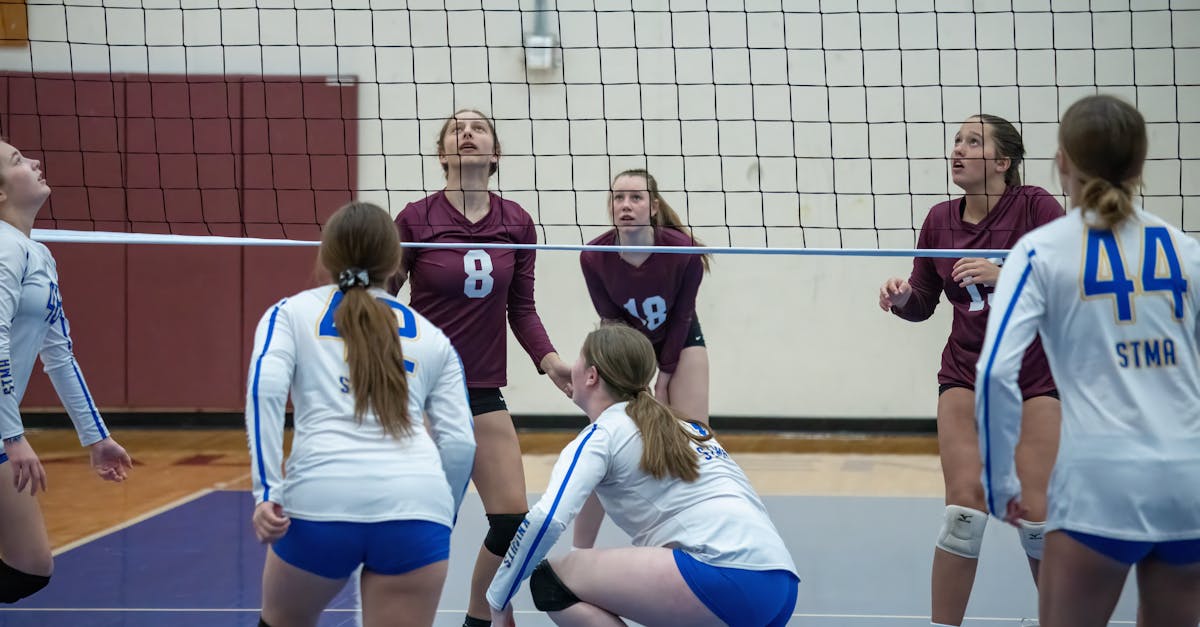
What makes modern sport schools influential is the combination of repetition, accountability, and community. A child attending football, gymnastics, swimming, or tennis sessions three to five times per week learns more than technique. They learn how to show up tired, recover from mistakes, and work within rules. Those are transferable life skills. A 2022 Aspen Institute report on youth sports in the United States also highlighted how participation is linked with improved social connection and emotional well-being, especially when programs focus on development rather than only competition.
Real-world examples make this easier to see. A nine-year-old in a structured swimming academy may begin by learning stroke efficiency, but within a year they often also improve sleep habits, self-control, and comfort with feedback. A teenager in a basketball sport school may discover leadership through team drills long before that confidence appears in the classroom.
Why it matters is simple: sport schools now influence identity formation during crucial developmental years. When the environment is healthy, the impact can extend far beyond fitness and into education, relationships, and future work habits.
The biggest trends changing sport schools today
Several trends are reshaping sport schools, and not all of them are equally healthy for children. The first major trend is earlier entry. In urban areas, many children now start organized sport between ages four and seven. Parents often fear that a late start means lost opportunity, especially in sports like gymnastics, tennis, and figure skating. The second trend is specialization, where kids focus on one sport year-round. Research from the American Academy of Pediatrics has repeatedly warned that early specialization can increase overuse injuries and burnout, particularly before puberty.
A more positive trend is the rise of sports science inside youth programs. Better schools increasingly use movement screening, recovery protocols, and workload tracking rather than relying on intuition alone. Some academies monitor sprint volume, jump count, or heart-rate zones to reduce injury risk. This mirrors elite sport, but the best youth programs scale it appropriately instead of turning childhood into a professional contract.
Another important change is digital visibility. Parents can now compare coaching philosophies through social media, online reviews, athlete progress videos, and school dashboards. This creates transparency, but it also creates pressure. Some programs market medals more aggressively than child development, which can mislead families.
Here is where the trend landscape becomes more nuanced:
- Pros: better coaching education, safer training methods, clearer progress tracking, and broader access to information.
- Cons: performance pressure at younger ages, overscheduling, high fees, and a temptation to value winning over long-term development.
How sport schools influence academic, emotional, and social development
One of the strongest arguments for sport schools is that their benefits often show up outside the gym or field. Children in well-run programs frequently develop routines that support school performance. They get used to fixed schedules, coach accountability, and delayed gratification. Those habits can translate into better homework consistency and stronger concentration. A 2023 study published in youth development research found that regular physical activity is associated with improved executive function, including attention control and task switching, both of which are essential for learning.
Emotionally, sport schools give children a rare setting where failure is normal and visible. Missing a penalty, falling off a beam, or losing a match teaches recovery in real time. That experience can build resilience if adults respond correctly. The lesson is not that children must toughen up at any cost. It is that they can learn disappointment without seeing it as personal defeat. This is especially valuable in a generation facing rising anxiety and social comparison online.
Socially, sport schools expose children to cooperation across different personalities, ages, and skill levels. A shy child may become more vocal in relay events. An impulsive child may learn self-regulation because fouls and penalties create immediate consequences. Coaches often become secondary mentors, and for some children that relationship is deeply stabilizing.
Still, the effect depends on environment:
- Benefits increase when coaches reward effort, communication, and sportsmanship.
- Risks increase when adults shame mistakes, compare children constantly, or treat every session like selection day.
The hidden risks parents should not ignore
Sport schools can open doors, but they also come with risks that are often minimized in promotional messaging. The most common issue is overtraining. A child doing school physical education, club training, private lessons, weekend competition, and travel camps may exceed their recovery capacity without obvious warning signs. Fatigue in children does not always look dramatic. It can show up as irritability, declining grades, poor sleep, repeated minor injuries, or sudden loss of enthusiasm.
Another concern is identity narrowing. When children hear praise only for performance, they can start believing their value depends on results. This becomes especially dangerous in adolescence, when social approval matters more intensely. A 12-year-old tennis player who wins often may seem highly motivated, but if one injury leads to panic, withdrawal, or self-criticism, the program may have built performance dependence instead of healthy confidence.
Financial pressure is another hidden factor. Competitive youth sport can cost families thousands per year when uniforms, travel, tournament fees, equipment, and private coaching are included. In the United States, some estimates place annual youth sports spending well above 800 dollars per child on average, with elite pathways costing far more. That can create guilt in children who feel they must justify the investment.
Parents should watch for these red flags:
- Frequent pain that lasts beyond normal soreness
- Fear of disappointing coaches more than love of the sport
- No free time for friends, rest, or unstructured play
- Mood changes after every performance
What the best sport schools do differently
The strongest sport schools are not always the ones with the most trophies. They are usually the ones with systems that protect development over time. First, they prioritize coaching quality. A great youth coach is not simply a former athlete. They understand age-specific learning, injury prevention, communication, and motivation. For example, a good under-10 football coach breaks skills into short, engaging drills, while a poor one may run adult-style conditioning sessions that teach fear more than technique.
Second, top programs design for progression rather than constant selection. They assess where a child is physically, technically, and emotionally, then build layers. This often includes movement basics, flexibility, balance, and general athleticism before heavy specialization. That approach aligns with long-term athlete development models used in countries such as Canada and the United Kingdom, where foundational movement is emphasized before performance peaks.
Third, they communicate clearly with families. Parents know training goals, competition expectations, injury protocols, and realistic advancement rates. This matters because many families overestimate how likely elite outcomes are. NCAA data has long shown that only a small percentage of high school athletes go on to compete at top college levels, and an even smaller fraction reach professional sport.
The best schools also tend to share several practical traits:
- They measure attendance, effort, and progress, not just wins.
- They encourage multi-sport participation in younger age groups.
- They build rest into the calendar.
- They treat academic commitments as non-negotiable, not inconvenient.
How parents can choose the right program and support long-term success
Choosing a sport school should look more like selecting an educational environment than buying an extracurricular activity. Start by observing a full session before enrolling. Watch how coaches respond to mistakes, how much time children spend active versus waiting, and whether the atmosphere feels demanding in a productive way or tense in a performative way. If every correction sounds like criticism, that is useful information.
Ask better questions than schedule and price. Find out how the school handles injuries, whether they encourage sport sampling at younger ages, how they communicate progress, and what they expect during exam periods. A serious program should have thoughtful answers. If advancement is promised too easily, be cautious. Good schools describe pathways realistically.
Parents also play a major role after enrollment. Children perform better when adults manage the ecosystem around training. That means meals, sleep, transport, emotional check-ins, and healthy expectations. The goal is support, not surveillance.
Practical tips that help immediately:
- Choose a program whose values match your child’s temperament, not your ambition.
- Protect at least one to two weekly blocks for unstructured downtime.
- Track mood and energy, not just medals and rankings.
- Praise effort, coachability, and recovery habits.
- Reassess fit every six to twelve months as your child changes.
- Sport schools can build discipline, resilience, and social confidence when run well.
- Early specialization is not always an advantage and can increase injury risk.
- Coaching quality and emotional climate matter as much as facilities.
- Long-term success depends on balance between sport, school, rest, and identity.
Actionable conclusion: building a future, not just a stronger athlete
Sport schools shape children most powerfully when adults remember what the real goal is. It is not just better speed, sharper technique, or a fuller trophy shelf. It is helping a child build habits that support health, confidence, focus, and resilience for years to come. The strongest programs combine skilled coaching with emotional safety, realistic expectations, and room for children to remain children.
If you are choosing a sport school now, begin with three next steps. Observe a session in person. Ask direct questions about recovery, coaching philosophy, and school balance. Then listen carefully to your child’s response after a trial period, not only to what they say, but to their energy, stress level, and enthusiasm. A good program should stretch them without consuming them.
In the end, the best sport school trend is not more intensity. It is smarter development. When parents and coaches prioritize long-term growth over early status, sport becomes more than an activity. It becomes a foundation for a healthier, more capable future.
Published on .
Share now!
JW
James Walker
Author
The information on this site is of a general nature only and is not intended to address the specific circumstances of any particular individual or entity. It is not intended or implied to be a substitute for professional advice.