Published on:
6 min read
Revolutionizing Waste: How Plastic Recycling Can Transform Our Environment
Plastic pollution poses a significant threat to our planet. Understanding and implementing effective recycling can revolutionize waste management, reducing environmental impact while promoting sustainability. Explore how plastic recycling not only mitigates waste but also fosters a healthier ecosystem.
The Environmental Impact of Plastic Waste
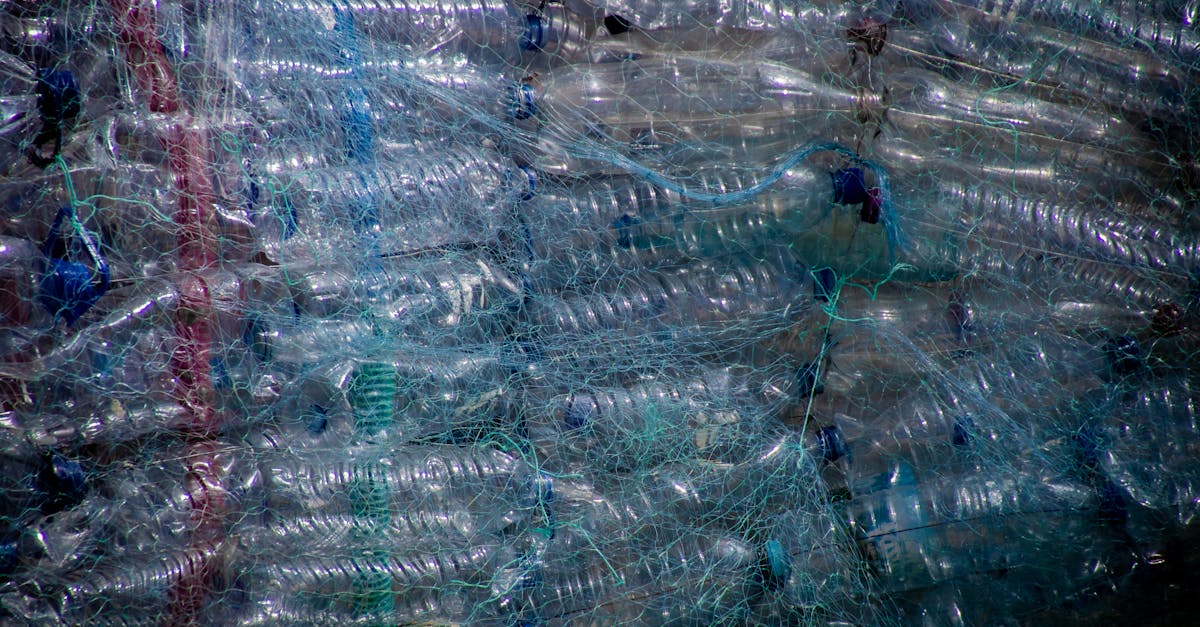
Plastic waste is a leading contributor to environmental degradation, affecting land, waterways, and oceans. Approximately 300 million tons of plastic are produced globally each year, and a significant portion ends up in landfills or as litter. Harmful chemicals leach from plastics, impacting wildlife and ecosystems. Marine life is especially vulnerable, with millions of animals dying from plastic ingestion or entanglement. Understanding the scope of plastic pollution highlights the urgent need for effective recycling strategies that can mitigate these adverse effects and promote a cleaner, healthier planet.
Innovative Recycling Technologies
Recent advancements in recycling technologies are enabling us to tackle plastic waste more efficiently. Innovations such as chemical recycling, which breaks plastics down into their basic building blocks, allow for the creation of new plastic products without the constraint of current recycling limitations. Additionally, AI and automation are optimizing sorting processes at recycling facilities, improving contamination rates and increasing the volume of materials processed. These technologies not only improve recycling efficiencies but also make the process more economically viable, opening up new business opportunities in the green economy.
The Economic Benefits of Plastic Recycling
Investing in plastic recycling can yield significant economic returns. The recycling industry can create jobs in various sectors including collection, processing, and manufacturing. By supporting local recycling initiatives, communities can stimulate local economies and reduce waste management costs. Furthermore, recycled plastics can provide a more sustainable and cost-effective alternative for manufacturers, leading to less dependence on virgin materials. As consumer awareness of environmental issues grows, businesses that adopt sustainable practices are likely to attract more customers, enhancing their brand value and market competitiveness.
Conclusion: A Call to Action
The transformation of our environment hinges on effective plastic recycling practices. By embracing innovative technologies and promoting sustainable economic models, we can significantly reduce plastic waste. It’s imperative that individuals, businesses, and governments collaborate to create comprehensive strategies that prioritize recycling. Together, we have the power to turn the tide on plastic pollution, fostering a healthier planet for future generations.
Published on .
Share now!