Published on:
10 min read
Lip Fillers in 2026: Trends, Safety Tips & New Looks
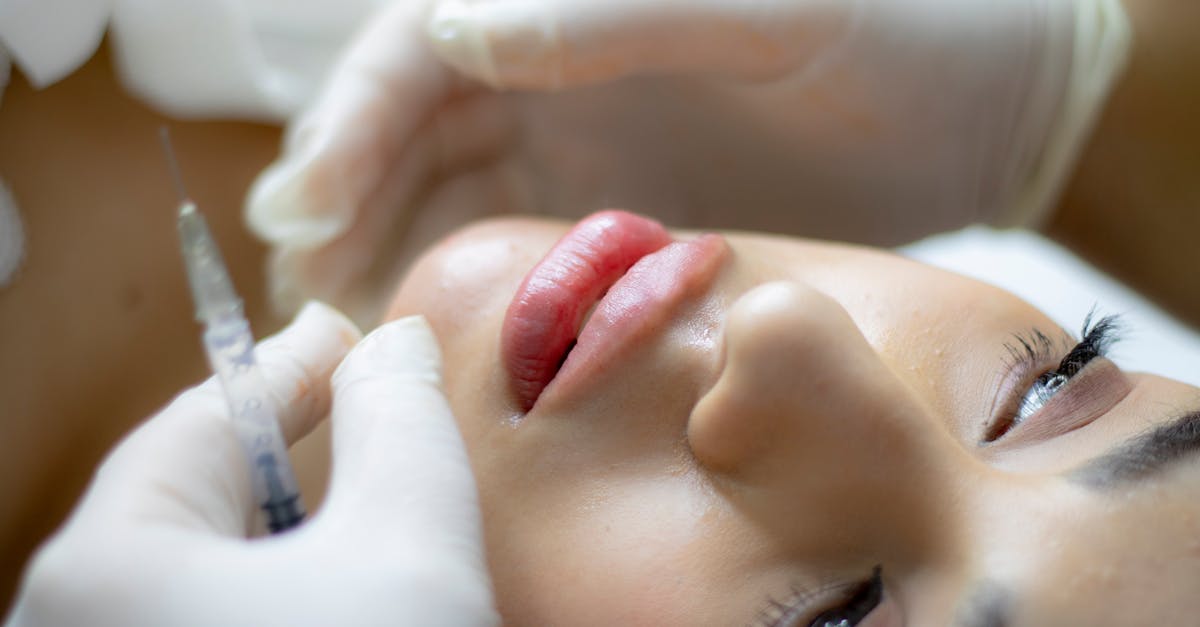
Lip fillers are no longer just about adding volume. In 2026, the conversation has shifted toward facial balance, lower-volume enhancement, safer injection practices, and more individualized aesthetic planning. Patients are asking sharper questions about filler type, reversibility, migration risk, injector credentials, and whether trends like the “soft hydration lip” or “micro-dosed contour” will still look good six months later. That change matters because lip filler remains one of the most requested non-surgical cosmetic procedures worldwide, yet it is also one of the most misunderstood.
This guide breaks down what is actually changing in lip augmentation now: the newest looks people are requesting, how modern techniques differ from the overfilled styles of the late 2010s, what red flags to watch for before booking, and how to reduce your risk of complications. You’ll also get practical advice on consultation questions, recovery expectations, and how to choose a qualified injector so your result looks intentional, not obvious.
- •Why lip fillers look different in 2026
- •The top lip filler looks patients are asking for now
- •Safety in 2026: what smart patients ask before booking
- •What is actually new: products, technique, and treatment planning
- •How to prepare, recover, and make your results last longer
- •Key takeaways: how to choose the right look and avoid expensive mistakes
- •Conclusion: the best lip filler trend is informed restraint
Why lip fillers look different in 2026
The biggest shift in lip fillers in 2026 is not a radically new product. It is a radically different aesthetic goal. Five years ago, many patients walked into clinics asking for celebrity-inspired volume or a dramatic “Russian lip” shape. Today, experienced injectors report that most consultations focus on proportion, hydration, border definition, and movement. In plain terms, people still want fuller lips, but they want them to look believable at rest, while smiling, and on video calls under harsh lighting.
This change did not happen by accident. Social media backlash against overfilled results, combined with a more educated patient base, has pushed clinics toward lower-volume treatments. In many practices, first-time patients now start with 0.5 mL instead of a full 1 mL syringe. That sounds small, but in lips, tiny amounts make visible differences. A patient with naturally thin lips may benefit from staged treatment over two appointments rather than one aggressive session.
Several forces are shaping the 2026 look:
- More patients want “undetectable work” instead of obvious enhancement
- High-definition phone cameras expose filler stiffness and asymmetry more easily
- Younger patients often ask for subtle contour, while patients in their 30s and 40s ask for restoration of age-related volume loss
- Better injector education has improved appreciation for facial harmony, not just lip size
The top lip filler looks patients are asking for now
If there is a defining lip filler trend in 2026, it is customization. Instead of one dominant shape, clinics are seeing several repeat requests tied to face shape, age, and lifestyle. The “hydrated lip” look is especially popular. This approach uses small amounts of hyaluronic acid filler to improve smoothness, soften vertical lip lines, and create a moisturized appearance without a large increase in size. It appeals to patients who want coworkers to think they changed their lip balm, not their injector.
Another common request is the “micro-contour” lip. Here, the injector enhances the vermilion border, Cupid’s bow, and lower-lip balance using minimal product. This works well for patients whose lips disappear when smiling or who feel one side is naturally flatter. For more mature patients, restoration is driving demand. Instead of building new volume, treatment focuses on replacing what age and collagen loss have reduced. Clinically, that often means careful support around the lip body and perioral area rather than dramatic projection.
Popular 2026 requests include:
- Soft hydration lips: subtle plumpness and smoother texture
- Baby-volume lips: slight enhancement, often 0.3 to 0.5 mL
- Shape correction lips: asymmetry balancing and border refinement
- Age-restoration lips: replacing lost definition and support
- Lower risk of an overdone result
- Easier to build gradually over time
- Better fit for professional and everyday settings
- Subtle changes may feel underwhelming if expectations are unrealistic
- Smaller-volume sessions can cost more over multiple visits
- Correcting asymmetry is often improvement, not perfection
Safety in 2026: what smart patients ask before booking
Lip filler is common, but common does not mean casual. In 2026, the smartest patients treat a filler appointment the way they would any medical procedure: by checking credentials, product choice, emergency readiness, and aftercare standards. Hyaluronic acid fillers remain the preferred option for lips because they are reversible with hyaluronidase, but reversibility should not create false confidence. Vascular occlusion, infection, allergic response, and delayed inflammatory reactions remain real risks, even if serious events are uncommon in expert hands.
A strong consultation should cover more than price and syringe size. Ask what brand is being used, why it suits lip tissue, how much product is planned, and what the clinic does if a blood vessel is compromised. A qualified injector should discuss blanching, severe pain, dusky discoloration, and unusual coldness as warning signs that require immediate attention. If the person injecting seems irritated by these questions, leave.
Use this practical screening list before booking:
- Confirm the injector’s professional license and lip-specific experience
- Ask to see healed results, not only immediate after photos
- Verify the clinic stocks hyaluronidase and knows emergency protocol
- Avoid non-medical settings such as hotel rooms or house-call “parties”
- Be cautious of deals that feel far below local market rates
What is actually new: products, technique, and treatment planning
The products used in 2026 are not entirely new inventions, but innovation is showing up in texture refinement, injection strategy, and patient selection. The best injectors are increasingly matching filler rheology, meaning firmness and flexibility, to the exact lip goal. A softer, more flexible hyaluronic acid gel may be chosen for hydration and natural movement, while a slightly more structured option may work better for defining the border or supporting a flatter upper lip. This is one reason “which filler is best?” is the wrong question. The better question is “which filler characteristics best match my anatomy and goal?”
Technique is evolving too. More providers now favor conservative micro-aliquot placement rather than larger boluses. That approach can reduce lumpiness, preserve movement, and help prevent the stiff “shelf” effect that made some filler work obvious in previous years. Ultrasound-guided aesthetics is also gaining traction in advanced practices, particularly for complication management and assessment of old filler. It is not standard everywhere, but it reflects a broader move toward evidence-based cosmetic medicine.
Not every innovation is a universal upgrade.
- Pros of modern low-volume, anatomy-led planning:
- More natural motion and expression
- Better customization for age and face shape
- Lower chance of immediate overfilling
- Results may require patience and multiple sessions
- Not all clinics offering “advanced technique” actually have advanced training
- Dissolving old filler before retreatment can add time and cost
How to prepare, recover, and make your results last longer
A beautiful lip filler result starts before the needle and continues long after swelling goes down. Preparation matters because the lips are vascular and prone to bruising. Many clinicians recommend avoiding alcohol for 24 hours beforehand and, if medically appropriate, limiting blood-thinning supplements such as fish oil, vitamin E, or ginkgo for several days. If you have a history of cold sores, tell your injector in advance. Trauma to the lips can trigger a flare, and some patients may need antiviral prophylaxis.
Recovery in 2026 is still often misunderstood because social media compresses the timeline. Day-one lips are not final lips. Swelling can peak in the first 24 to 48 hours, and minor asymmetry often improves as inflammation settles. Most people look socially presentable within a few days, but subtle refinement may take up to two weeks. This is why reputable injectors usually schedule review appointments after the healing window, not the next morning.
To improve your experience and longevity:
- Use cold compresses gently, not aggressive icing
- Sleep slightly elevated the first night if swelling is significant
- Avoid strenuous exercise, saunas, and excessive heat for 24 hours unless your injector advises otherwise
- Do not massage lumps unless specifically instructed
- Stay hydrated and protect lips from sun exposure
- Less bruising and swelling disruption
- More accurate assessment of the final result
- Lower chance of unnecessary panic over normal healing
- Booking right before weddings, photo shoots, or travel can backfire
- Touch-ups done too early may worsen uneven swelling rather than fix it
Key takeaways: how to choose the right look and avoid expensive mistakes
If you remember only one thing about lip fillers in 2026, make it this: subtle does not mean simple. The best results come from careful planning, not trend chasing. A syringe is not a beauty shortcut; it is a medical tool that can either support your features or distort them. Patients who get consistently good outcomes tend to follow the same pattern: they research the injector thoroughly, start conservatively, and judge success by balance rather than volume.
Here are the practical takeaways worth bookmarking:
- Bring reference photos for vibe, not exact replication. Your anatomy will respond differently.
- Ask for a staged plan if you want noticeable change. Two thoughtful appointments are often safer than one oversized treatment.
- Prioritize injectors who show healed outcomes and discuss complication management openly.
- If you already have old filler and your shape looks puffy or blurred, ask whether dissolving first makes more sense than adding more.
- Budget for quality. In aesthetics, corrections often cost more than doing it properly the first time.
- Schedule your appointment at least two weeks before any important event.
- Treat extreme bargains, rushed consultations, and pressure to buy extra syringes as warning signs.
Conclusion: the best lip filler trend is informed restraint
Lip fillers in 2026 are moving in a healthier direction. The most appealing results are not the biggest or most dramatic; they are the ones that respect anatomy, preserve natural movement, and fit the person wearing them. That shift is good news for patients, because it rewards careful injector selection, realistic expectations, and gradual treatment over impulse decisions.
If you are considering lip filler this year, your next step is simple: book a consultation, not a syringe. Use that appointment to evaluate credentials, discuss your exact goals, ask about risk management, and decide whether subtle enhancement, restoration, or correction is the right path. Start small, allow time for healing, and judge your outcome in real life, not just under clinic lighting. The smartest aesthetic work should make you feel more like yourself, not less recognizable.
Published on .
Share now!
AH
Alexander Hayes
Author
The information on this site is of a general nature only and is not intended to address the specific circumstances of any particular individual or entity. It is not intended or implied to be a substitute for professional advice.