Published on:
8 min read
Discover the Art of Japanese Garden Design: A Serene Escape in Your Backyard
Transform your backyard into a tranquil haven with the principles of Japanese garden design. Emphasizing simplicity and harmony with nature, these gardens offer a perfect retreat from daily life. Uncover the beauty of this ancient art form and how it can enhance your outdoor space.
Understanding the Philosophy of Japanese Gardens
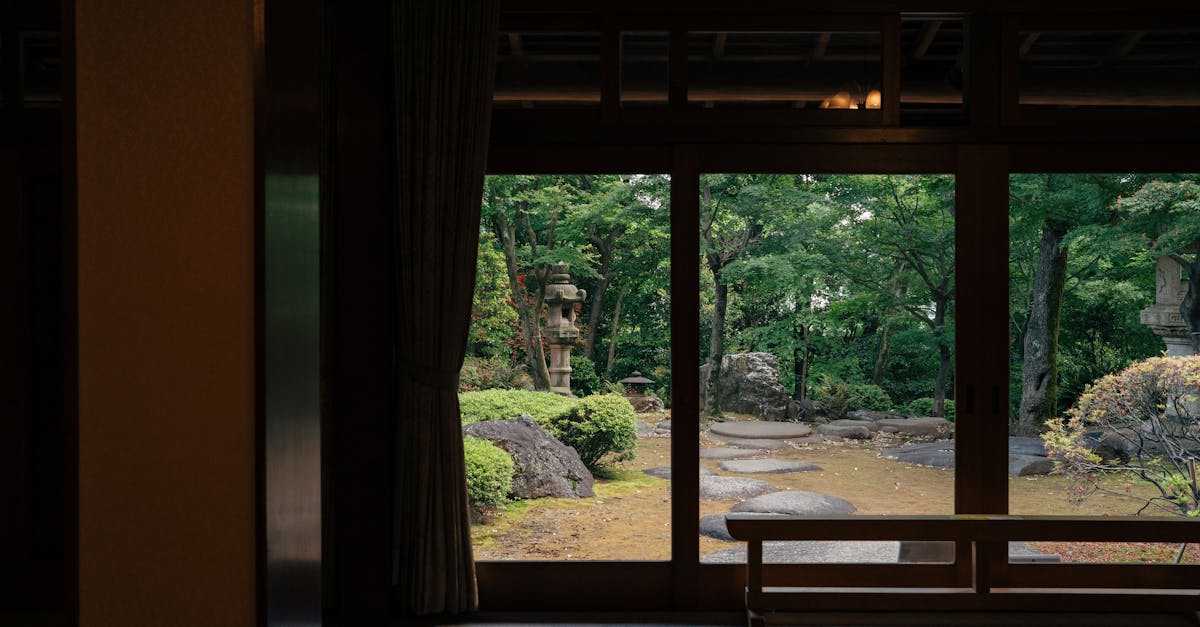
Japanese gardens are rooted in the philosophical concepts of simplicity, natural beauty, and a deep connection to nature. Unlike traditional Western gardens that often prioritize color and vibrancy, Japanese gardens favor subtlety, highlighting natural materials like rocks, water, and plants. The design reflects the principles of Zen Buddhism, aiming to create a serene environment for contemplation and meditation. Each element, from the arrangement of stones to the placement of water features, is intentionally chosen to evoke feelings of calm and harmony. By understanding these philosophical underpinnings, you can create a space that encourages mindfulness and tranquility in your daily life.
Key Elements of Japanese Garden Design
To start designing your Japanese garden, focus on its essential elements: water, rocks, plants, and pathways. Water is a vital feature; it can be a pond, stream, or even a simple birdbath, symbolizing purity and life. Rocks, often used as focal points, serve to represent mountains or islands, grounding your garden in nature. Selecting the right plants is crucial; opt for trees like Japanese maple or flowering cherry, and complement them with ornamental grasses and moss. Pathways should meander to encourage exploration rather than lead directly to a specific point. Incorporating these components will help create a balanced and harmonious outdoor space.
Creating Your Own Japanese Garden: Step by Step
Designing your Japanese garden doesn't have to be daunting. Begin with defining the purpose of the garden; whether it’s a space for relaxation, meditation, or simply a beautiful view. Next, map out the layout, considering the natural contours of your yard. Start by selecting a focal point, like a water feature or ornamental tree, and build around it. Use natural materials for paths and borders, promoting a seamless blend with the landscape. Be mindful of scale; larger features can make a small space feel cramped, while delicate elements can enhance intimacy. As you build your garden, continually assess the balance between structure and nature, ensuring each step deepens your connection to the serenity of this timeless design.
Conclusion: Your Sanctuary Awaits
Creating a Japanese garden in your backyard offers a unique opportunity to cultivate mindfulness and peace. By incorporating the principles of Japanese design, you can craft an oasis that not only beautifies your space but also nurtures your well-being. So, take the plunge and embark on this serene journey—your tranquil retreat awaits just outside your door!
Published on .
Share now!