Published on:
4 min read
By Emma Carter · Cleaning Editor
Is Vinegar a Good Disinfectant for Your Home Surfaces?
I tested vinegar's cleaning prowess in my kitchen and bathroom, discovering its strengths and limitations. Here's what you need to know about using vinegar as a disinfectant.

Testing Vinegar as a Household Disinfectant
My kitchen counter was the battlefield in my quest to see if vinegar could truly cut it as a household disinfectant. Armed with a spray bottle filled with undiluted white vinegar, I set out to tackle the grime and germs lurking in my most-used spaces. In this article, I'll share my findings, the surprises I encountered along the way, and practical recommendations for anyone considering vinegar for their cleaning routine. In my quest to find a natural cleaning solution, vinegar stood out due to its affordability and purported effectiveness. At first glance, vinegar seemed like the perfect alternative to chemical-laden cleaners, but I wanted to see how it truly performed in real-life situations.
Experimenting with Vinegar in the Kitchen
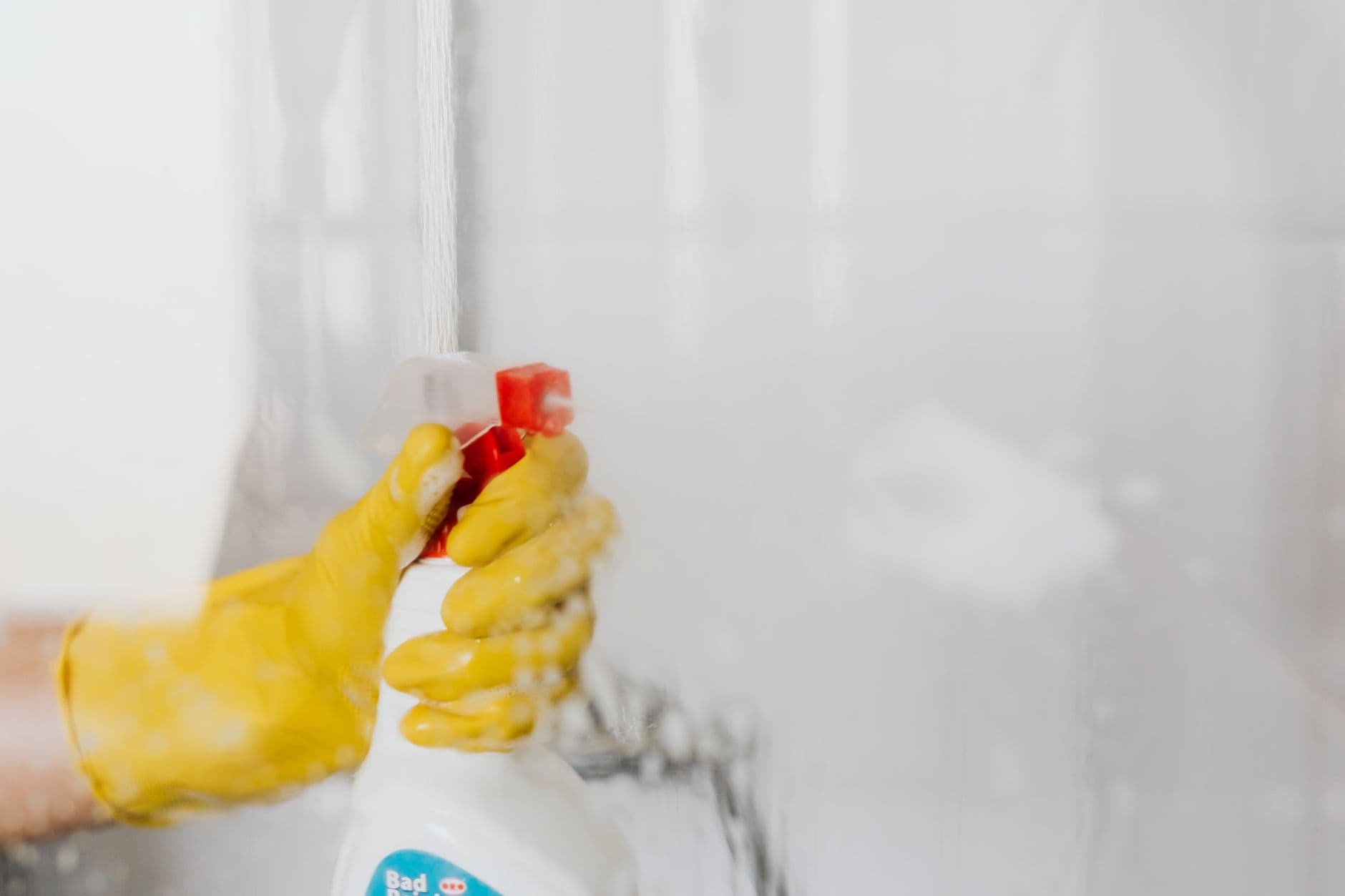
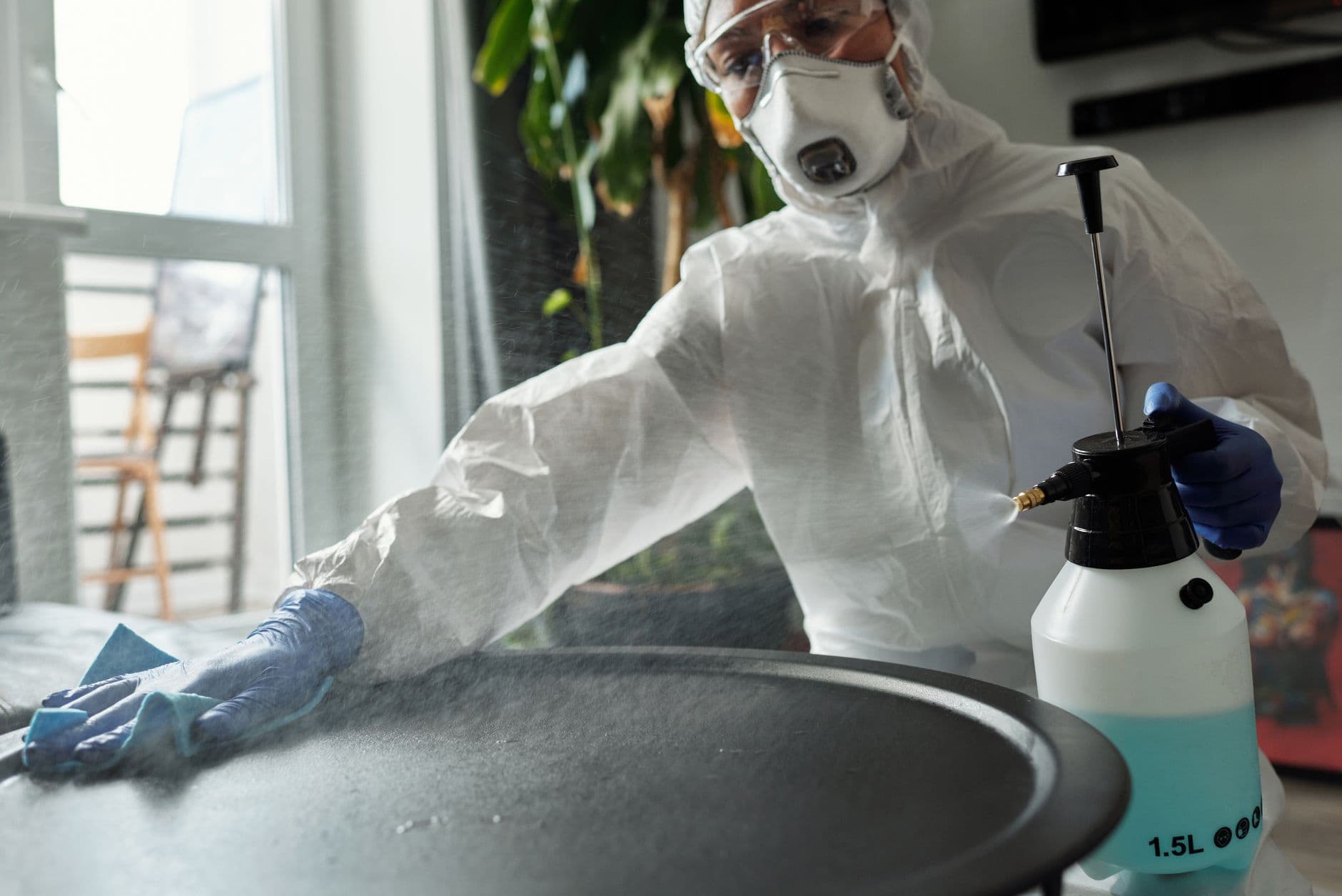
First, I focused on my kitchen, a place that sees constant action and therefore requires frequent cleaning. I sprayed undiluted white vinegar directly onto the countertops, letting it sit for ten minutes before wiping it away with a clean cloth. I repeated this process every other day for a week. While the vinegar did a great job at cutting through basic grime and left the surfaces looking clean, I was skeptical about its germ-killing prowess.
To test this, I used a simple swab test kit. With vinegar alone, the bacteria count was reduced, but not eliminated. There was a significant drop in the bacterial presence, roughly about 60% less than untreated surfaces, but it wasn't thorough enough for what I'd consider a deep clean. After this, I tried combining vinegar with some rubbing alcohol to see if it would improve the results. This mixture seemed more effective in reducing bacteria, though it still didn’t give me the level of disinfection I was hoping for.
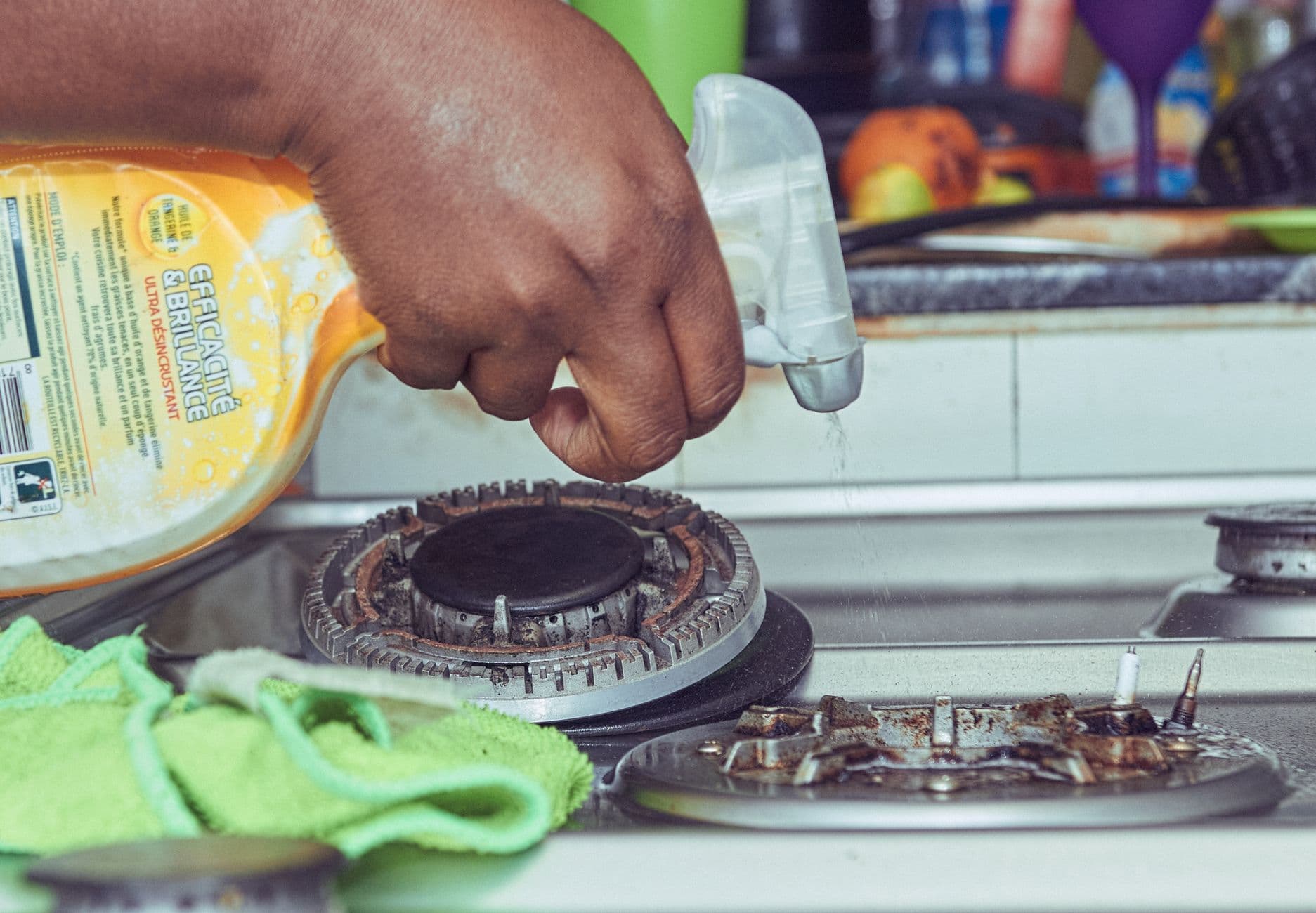
I also attempted to use vinegar on my stovetop to remove grease. After spraying the vinegar and letting it sit for fifteen minutes, I noticed that the grease was slightly easier to wipe away, although not completely gone without additional scrubbing.

Vinegar in the Bathroom: Another Test
Switching to the bathroom, I decided to try vinegar on my bathroom tiles and sink. This time, I created a 1:1 mixture of vinegar and water, and used it to tackle soap scum and mildew. I noticed that while the solution worked wonders on soap scum, it was less effective against mildew.
For mildew, I had to let the vinegar sit for a longer period, about 30 minutes, before scrubbing it clean. Even then, some stubborn spots required a second application. Cost-wise, the vinegar route was economical, with a gallon costing about $3 and lasting well over a month of frequent use. However, time and effort were significant factors.
I also tested vinegar on bathroom mirrors to remove water spots. After applying vinegar with a cloth, I found it highly effective at removing streaks and leaving a clear finish. This was one area where vinegar excelled beyond my expectations, saving me the cost of commercial glass cleaners.
Vinegar vs. Other Cleaners: A Comparison
To understand vinegar's place among household cleaners, I compared it to two other common disinfectants: bleach and commercial disinfectant wipes. Here's how they stacked up. Each cleaner has its unique strengths and weaknesses, making them suitable for different tasks.
| Cleaner | Effectiveness | Cost per Use |
|---|---|---|
| Vinegar | Moderate | $0.10 |
| Bleach | High | $0.05 |
| Disinfectant Wipes | High | $0.20 |
How to Use Vinegar Effectively
If you're set on using vinegar, here are some tips to maximize its effectiveness:
- Use undiluted vinegar for the toughest cleaning jobs to ensure maximum potency.
- Allow the vinegar to sit on surfaces for at least 10 minutes to maximize its effectiveness against bacteria.
- Combine vinegar with baking soda for a more powerful cleaning action, especially on stove tops or sinks. This combination can help tackle tougher stains without harsh chemicals.
- Avoid using vinegar on natural stone surfaces as it can cause damage to the finish and integrity of the stone.
- Rinse surfaces with water afterward to remove any lingering vinegar smell and prevent buildup.
- For a refreshing scent, add a few drops of essential oil like lemon or lavender to your vinegar spray.
FAQ
Q: Can vinegar kill viruses?
Vinegar is not recommended as a sole disinfectant for viruses; it is not as effective as other disinfectants like bleach.
Q: Is vinegar safe to use around pets?
Yes, vinegar is generally safe around pets, but make sure to rinse surfaces well to prevent any ingestion and to reduce the strong smell.
Q: How often should I use vinegar for cleaning?
You can use vinegar as often as needed for regular cleaning tasks, but for deep cleaning, it might not suffice alone. For high-touch areas, consider stronger disinfectants.
Q: Can I mix vinegar with other cleaning agents?
Avoid mixing vinegar with bleach, as it can create harmful fumes. It can safely be mixed with baking soda for cleaning.
EditorialOur Take
Vinegar is a versatile and affordable cleaning agent, particularly effective for everyday grime and mild cleaning tasks. However, it falls short as a robust disinfectant compared to stronger agents like bleach. For those who prioritize natural cleaning solutions and can manage the extra elbow grease, vinegar is a solid choice. Yet, for anyone needing thorough disinfection, especially in high-risk areas or during flu season, I recommend supplementing vinegar with more potent cleaners. In terms of environmental impact and cost-effectiveness, vinegar stands out, but it's crucial to recognize its limitations in sanitizing capabilities.
Published on .
Share now!

Emma Carter
Cleaning Editor
Emma Carter leads Dailynib's cleaning coverage. She spends her weekends trying different cleaning methods around her own apartment and writing up what genuinely works versus what just sounds good online. Emma is happiest when a five-minute trick replaces an hour of scrubbing. Emma uses AI tools to research, draft, and help keep these articles accurate.
More from Emma →The information on this site is of a general nature only and is not intended to address the specific circumstances of any particular individual or entity. It is not intended or implied to be a substitute for professional advice.
Get our best tips in your inbox
A short, practical email now and then. No spam, and you can unsubscribe anytime.