Published on:
4 min read
By Emma Carter · Cleaning Editor
Explainer: The Science Behind Decluttering for Better Cleaning
I discovered that decluttering not only made my home look better but also made cleaning faster and more satisfying.
Understanding the Power of Decluttering
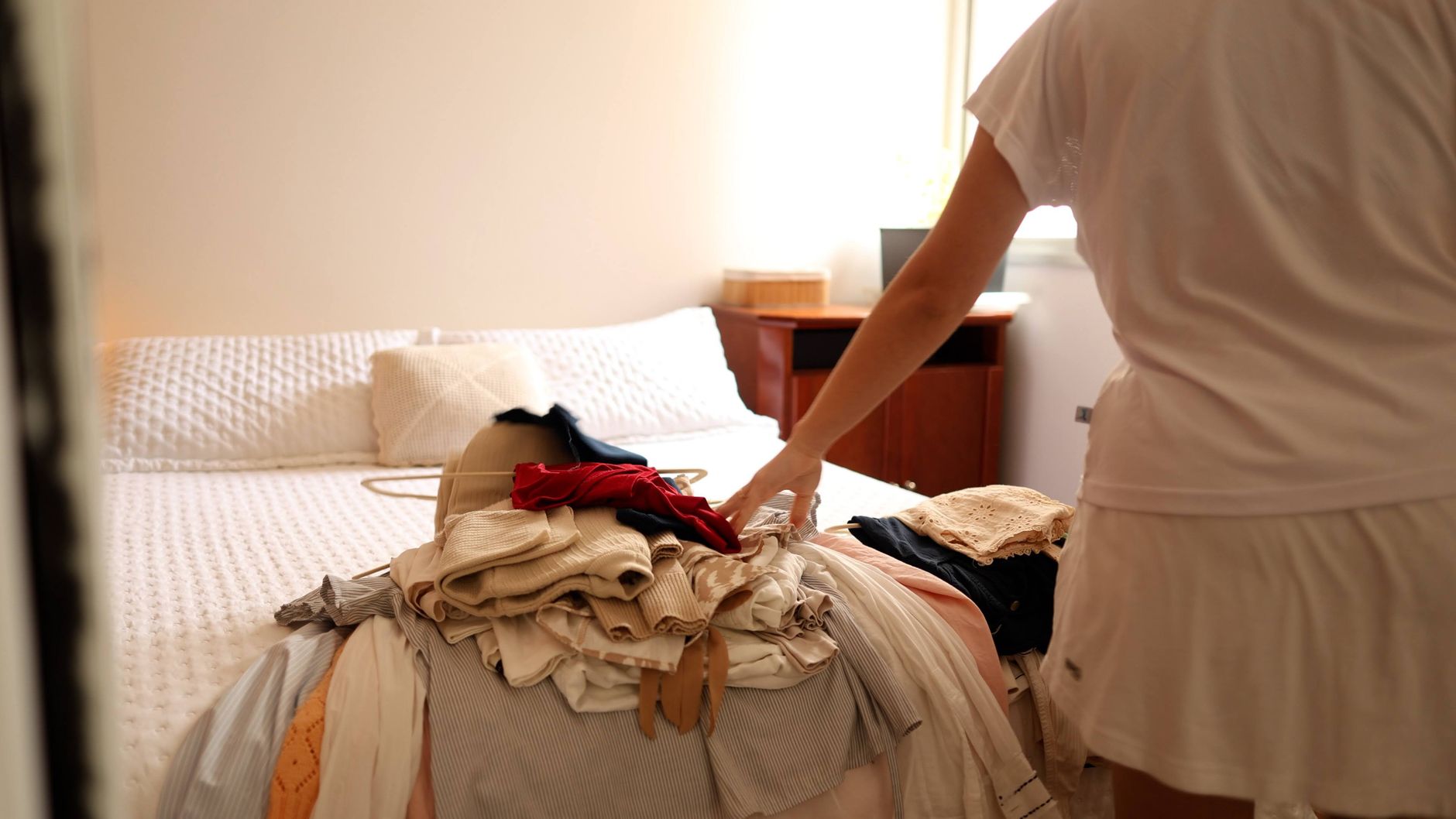
A few months ago, I noticed my cleaning routine was taking forever, even though I spent hours every week on it. My living room, in particular, felt like an insurmountable mess. My coffee table was buried under magazines, random chargers, and more coasters than I’d ever need. I realized I wasn’t cleaning effectively because I was constantly moving things around instead of actually cleaning surfaces. This led me on a journey to understand why decluttering might be the key to more effective and satisfying cleaning. By the end of this article, I'll share how removing unnecessary items can streamline your cleaning routine and make your home feel more inviting.
A Real-Life Decluttering Example
I decided to tackle my living room first. Armed with a couple of large boxes and a timer, I set out to declutter. I gave myself 30 minutes to remove any items that didn't belong in the living room. In that half-hour, I filled one box with items that needed to go elsewhere and another for donations. Once the surfaces were clear, I found that dusting and vacuuming became much quicker and more thorough. What would usually take me an hour was now done in half the time. I also felt more motivated to keep things tidy, knowing that every item had its place.
Encouraged by this success, I moved on to the kitchen. The process was similar: I spent about 45 minutes identifying gadgets and utensils I never used. I had accumulated three whisks, two sets of measuring spoons, and a bread maker that had become more of a storage shelf than a cooking appliance. Decluttering these items not only freed up my counter space but also made wiping down surfaces much faster. I could now clean the entire kitchen, which previously took an hour and a half, in less than 50 minutes. The transformation was more than just physical; it made the kitchen a more enjoyable space to cook and gather.
Why Decluttering Works: The Science
Decluttering isn’t just about aesthetics—it’s about efficiency. When you have fewer items to work around, cleaning becomes less of a chore. According to research I've seen, our brains can only process a limited amount of stimuli at a time. Clutter creates visual noise, which can make it difficult to focus on the task at hand. By reducing this visual clutter, I found I was less stressed and more focused during cleaning. I even timed myself: prior to decluttering, I spent 40 minutes cleaning my bedroom; afterward, it took just 25 minutes. The science behind this is simple: with less to tidy, cleaning becomes a quicker, more focused activity.
Additionally, decluttering helps in maintaining a cleaner environment. With fewer items to collect dust, surfaces stay cleaner longer. I noticed that my once-weekly dusting routine could be stretched to every ten days without noticeable buildup. This frequency change saved me approximately 20 minutes a week, time that I could invest elsewhere.
Cluttered Vs. Decluttered Cleaning: A Comparison
Here’s a comparison of cleaning my kitchen before and after decluttering. I tracked the time spent and the result was clear.
| Task | Cluttered Time | Decluttered Time |
|---|---|---|
| Wiping Counters | 15 minutes | 7 minutes |
| Sweeping Floor | 20 minutes | 12 minutes |
| Overall Tidying | 30 minutes | 15 minutes |
Practical Steps to Declutter for Better Cleaning
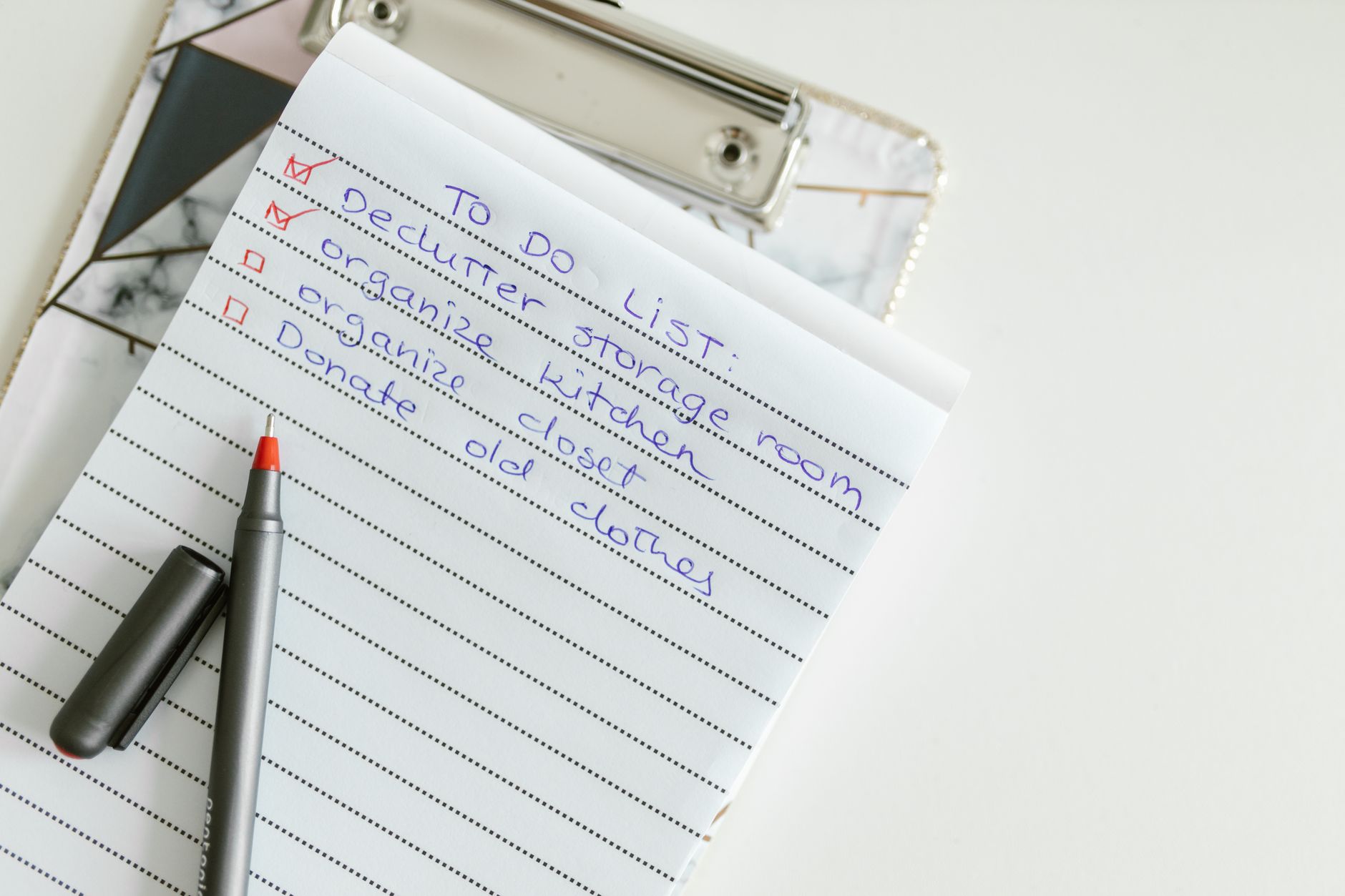
If you're looking to make cleaning easier and more effective, here's what worked for me:
- Start small: Choose one room and dedicate 20-30 minutes to decluttering.
- Use boxes or bags: Label them 'Keep,' 'Donate,' and 'Relocate' to sort items quickly.
- Set a timer: Keep each session short to avoid overwhelm.
- Be ruthless: If you haven't used something in the past year, consider donating it.
- Organize as you go: Create designated spaces for items you decide to keep.
Your Questions About Decluttering Answered
Q: How often should I declutter?
I recommend decluttering once every two to three months to maintain a clean and tidy environment.
Q: What if I have sentimental items that I can't get rid of?
Consider keeping a small box or a specific shelf for sentimental items to limit the space they occupy.
Q: Is decluttering necessary for small spaces?
Absolutely, small spaces benefit the most from decluttering as every inch counts. It can transform the functionality of your space.
Q: How can I prevent clutter from building up again?
Adopt a 'one-in, one-out' rule for new items and regularly assess what you have. Regularly asking yourself if an item truly adds value to your life can also help in making decisions about what to keep or let go.
EditorialOur Take
Decluttering transformed how I approach cleaning. It’s not just about removing items but about creating a more functional and calming environment. For anyone who finds cleaning overwhelming, I highly recommend starting with decluttering. It’s especially beneficial for those living in smaller spaces or with busy lifestyles as it makes routine cleaning quicker and less stressful. If you’re hesitant to start, remember that the benefits in both time saved and peace of mind are well worth the effort. However, if you're someone who loves having a lot of visual stimuli and collectibles around, this approach might be more challenging to implement.
Published on .
Share now!

Emma Carter
Cleaning Editor
Emma Carter leads Dailynib's cleaning coverage. She spends her weekends trying different cleaning methods around her own apartment and writing up what genuinely works versus what just sounds good online. Emma is happiest when a five-minute trick replaces an hour of scrubbing. Emma uses AI tools to research, draft, and help keep these articles accurate.
More from Emma →The information on this site is of a general nature only and is not intended to address the specific circumstances of any particular individual or entity. It is not intended or implied to be a substitute for professional advice.
Get our best tips in your inbox
A short, practical email now and then. No spam, and you can unsubscribe anytime.