Published on:
4 min read
By Emma Carter · Cleaning Editor
Explainer: The Role of pH Levels in Cleaning Products
I explored how the pH levels in cleaning products affect their performance when tackling everyday messes in my home.
The Curious Case of pH and Cleaning
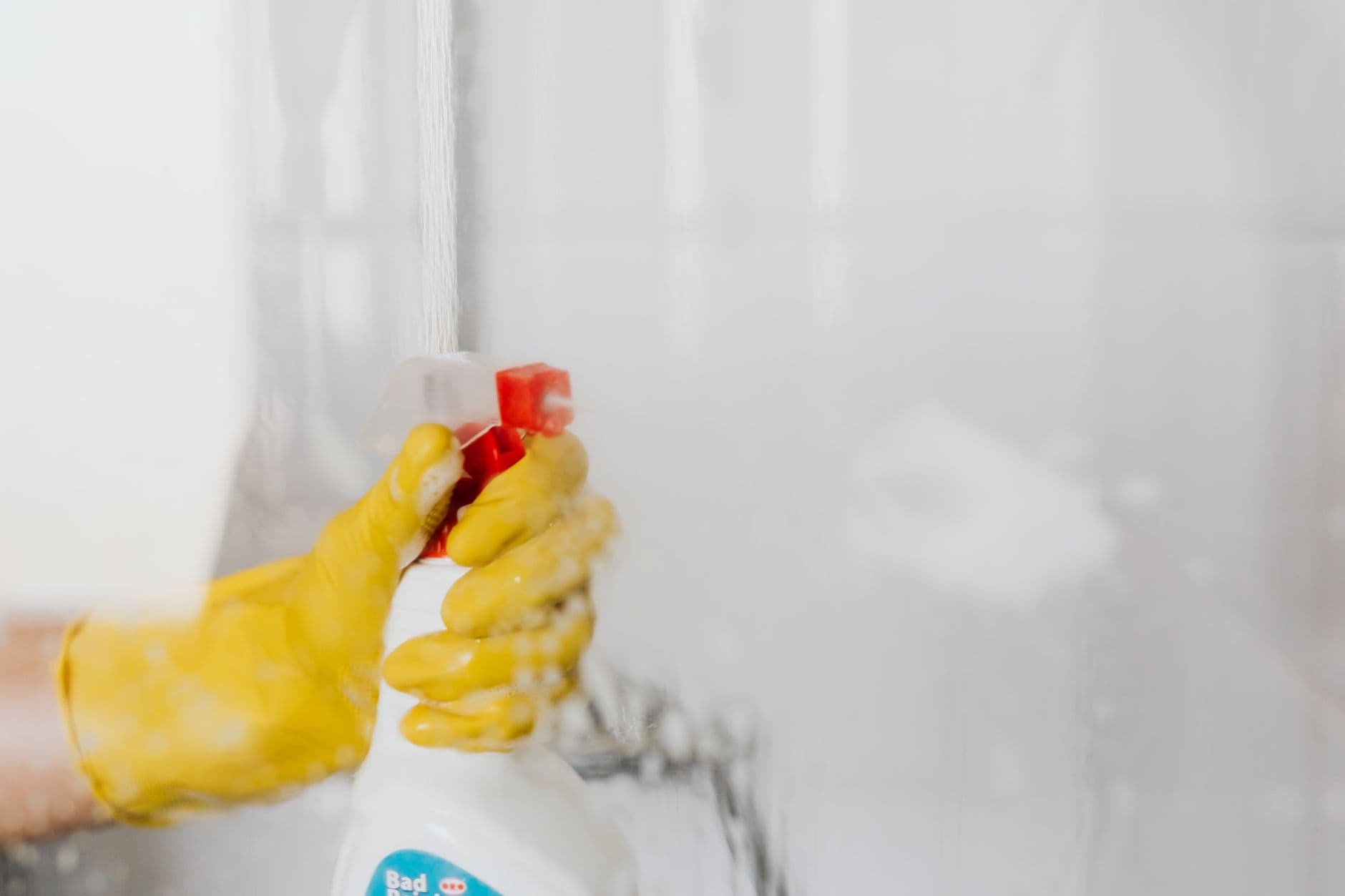
I first stumbled upon the concept of pH levels in cleaning products when trying to tackle a persistent hard water stain on my shower door. I'd tried scrubbing with my usual all-purpose cleaner, but the results were lackluster. Intrigued, I decided to delve deeper into how understanding pH levels in cleaning products could improve my efforts.
In this article, I'll share my journey into the world of pH, how it impacts cleaning efficacy, and practical tips for selecting the right product for various tasks around the home. Recognizing the importance of pH levels has significantly changed the way I approach cleaning, leading to more effective and efficient outcomes in managing household chores.
pH Levels: An Experiment with Vinegar and Baking Soda
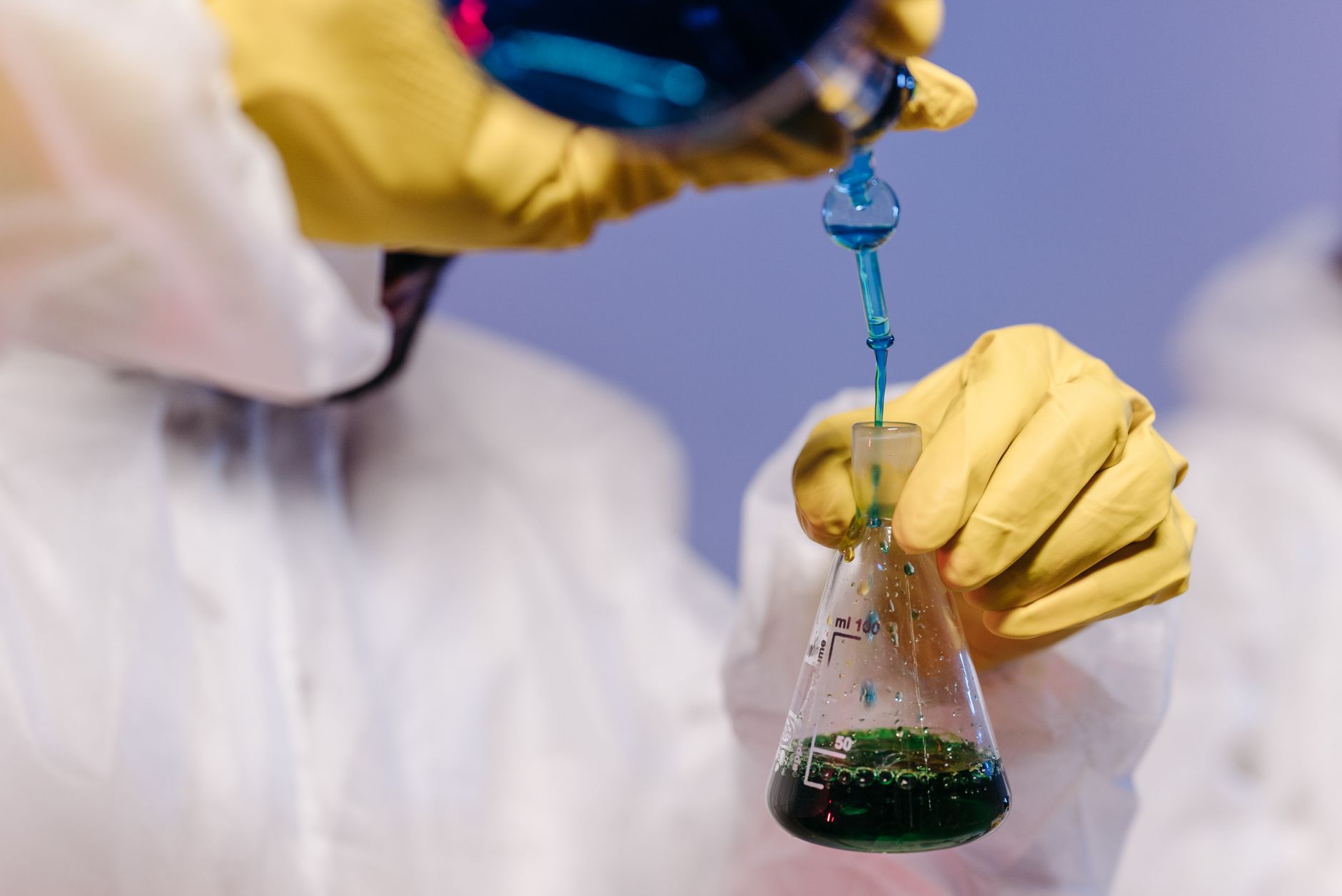
One of the first experiments I conducted was using vinegar and baking soda on my kitchen sink, which had started to show signs of soap scum and mineral buildup. Vinegar, with a pH of around 2.5, is acidic and excellent at dissolving mineral deposits, whereas baking soda, with a pH of 9, is basic and effective at scrubbing away grime.
I applied vinegar first, letting it sit for about 15 minutes to break down the residues, then scrubbed with baking soda. The results were immediate and impressive, leaving my sink sparkling clean. However, I did notice that using just one without the other didn't provide the same level of cleanliness, highlighting the importance of using pH-balanced cleaning strategies.
To ensure I wasn't just seeing what I wanted to see, I repeated the experiment several times over the course of a month, each time reaffirming the effectiveness of this method. It was a revelation to observe how the acid and base worked together, effectively neutralizing and removing different types of dirt and grime.
Bathroom Battles: Acidic vs. Alkaline Cleaners
Next, I turned my attention to the bathroom. Soap scum and limescale are common foes here. I tried an acidic cleaner (pH 3) for the soap scum on the shower tiles and an alkaline cleaner (pH 11) for the toilet bowl stains.
The acidic cleaner worked wonders on the soap scum but didn't do much for the toilet stains. Conversely, the alkaline cleaner effectively tackled the toilet stains but was less effective on the tiles. This side-by-side comparison taught me that knowing the pH level can guide you in choosing the right cleaner for the job, saving time and elbow grease.
I even conducted a mini-test by timing how long it took to see visible results: the acidic cleaner started showing effects in under 10 minutes on the tiles, while the alkaline solution needed about 15 minutes on the toilet stains. This difference was eye-opening and emphasized the need to understand and use the properties of cleaning agents more strategically.
pH Levels in Cleaning: A Quick Comparison
Understanding the pH scale can help you select the most effective cleaning product for your needs. Here's a quick comparison of cleaning products and their typical pH levels:
| Cleaning Product | Typical pH Level | Best Used For |
|---|---|---|
| Distilled Vinegar | 2.5 | Limescale and hard water stains |
| Baking Soda | 9 | General surface cleaning and deodorizing |
| Bleach | 11 | Disinfecting and whitening surfaces |
| Lemon Juice | 2 | Degreasing and stain removal |
| Ammonia | 11.5 | Glass and stainless steel cleaning |
Practical Tips for Using pH in Cleaning
Here are some practical tips I gathered from my experiments to help you harness the power of pH in your cleaning routine:
- Identify the nature of your stain or dirt to choose an appropriate cleaner (acidic or alkaline).
- Use acidic cleaners for mineral deposits (like limescale) and alkaline cleaners for organic stains (like grease).
- Always test a small, inconspicuous area first to ensure that the cleaner won't damage the surface.
- Combine methods when necessary, like using both acidic and basic cleaners to tackle stubborn stains.
- Properly rinse surfaces after cleaning to neutralize any potential residues.
- Keep a pH chart handy in your cleaning area to quickly check which cleaners to use for specific tasks.
- Consider the material of the surfaces you're cleaning; for example, avoid acidic cleaners on natural stone to prevent etching.
FAQ: Common Questions About pH and Cleaning
Q: Can I mix acidic and alkaline cleaners for better results?
Mixing acidic and alkaline cleaners is generally not recommended, as they can neutralize each other, reducing their effectiveness.
Q: How can I test the pH level of my cleaning products?
You can use pH test strips available at most hardware or pool supply stores to quickly assess the pH level of your cleaners.
Q: Are all natural cleaners acidic or alkaline?
Not all natural cleaners fit neatly into one category. For example, lemon juice is acidic, while castile soap is alkaline. It's essential to check each product individually.
Q: What should I do if a cleaner isn't working?
If a cleaner isn't effective, check if the pH is suitable for the task. You might need to switch to a more acidic or more alkaline solution depending on the type of stain.
EditorialOur Take
Diving into the world of pH levels has transformed my cleaning routine. Understanding when to use acidic or alkaline cleaners has made my efforts more efficient and effective, saving me both time and frustration. This approach is particularly suitable for those facing stubborn stains or who want to optimize their cleaning arsenal without relying solely on trial and error. However, it may not be necessary for everyday surface cleaning unless you're dealing with specific problems. Regular cleaners will suffice for routine maintenance, but for targeted cleaning challenges, knowing your pH can be a game-changer.
Published on .
Share now!

Emma Carter
Cleaning Editor
Emma Carter leads Dailynib's cleaning coverage. She spends her weekends trying different cleaning methods around her own apartment and writing up what genuinely works versus what just sounds good online. Emma is happiest when a five-minute trick replaces an hour of scrubbing. Emma uses AI tools to research, draft, and help keep these articles accurate.
More from Emma →The information on this site is of a general nature only and is not intended to address the specific circumstances of any particular individual or entity. It is not intended or implied to be a substitute for professional advice.
Get our best tips in your inbox
A short, practical email now and then. No spam, and you can unsubscribe anytime.