Published on:
6 min read
Empower Your Life: Top Remarkable Exercises for Managing Parkinson's Symptoms
Living with Parkinson's disease can be challenging, but regular exercise can significantly improve quality of life. In this post, we explore effective exercises that help manage symptoms, enhance mobility, and empower individuals facing this condition.
Tai Chi: The Art of Gentle Movement
Tai Chi is a form of mind-body exercise that originated in China and is particularly beneficial for individuals with Parkinson's disease. This low-impact exercise focuses on slow, controlled movements and deep breathing, promoting relaxation and balance. The gentle nature of Tai Chi makes it accessible for people of all ages and fitness levels, helping to reduce stiffness and improve flexibility. Studies have shown that practicing Tai Chi can enhance overall physical function, decrease falls, and boost mental well-being. Regular participation in Tai Chi classes can foster a supportive community, providing both social interaction and a safe environment to practice.
Resistance Training for Strength and Stability
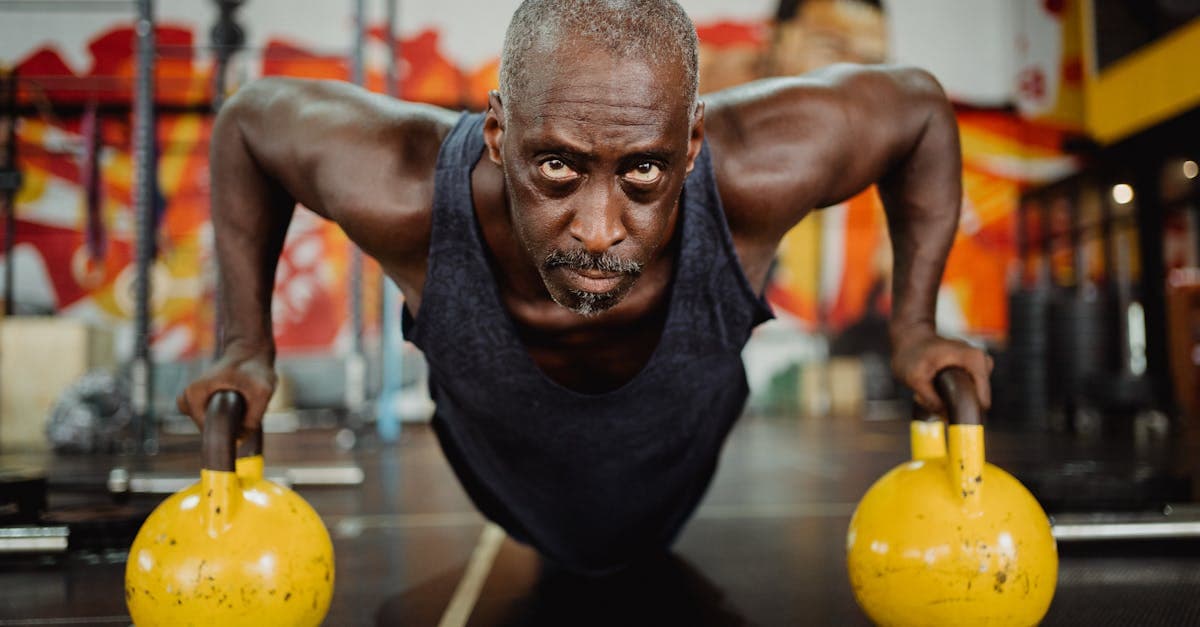
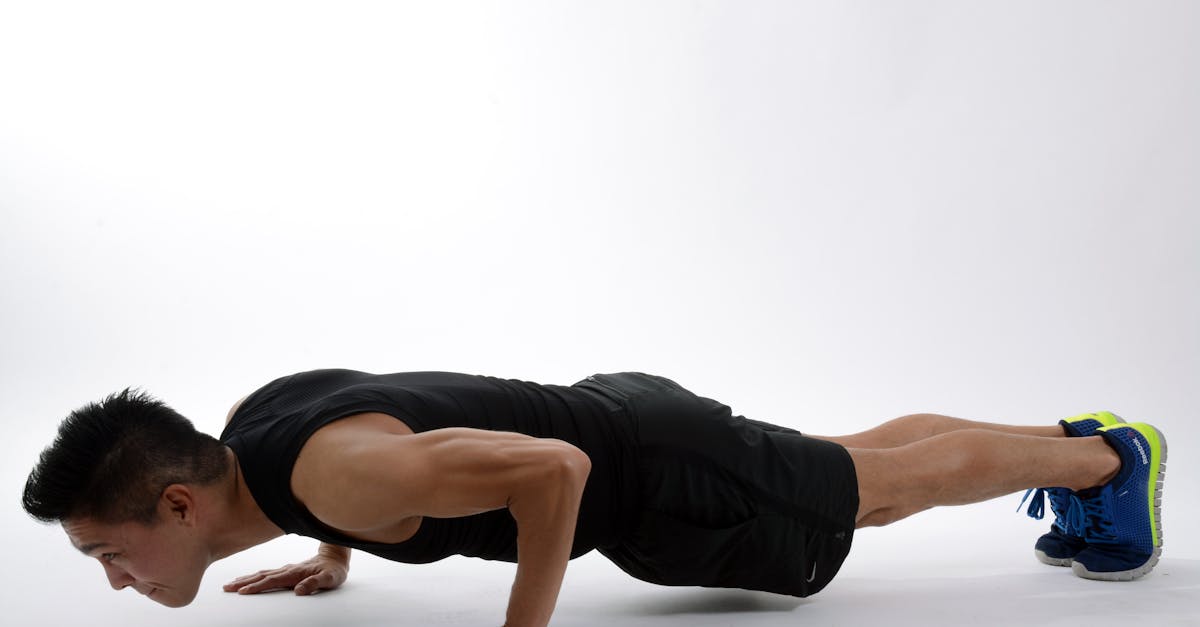
Incorporating resistance training into your exercise routine can offer remarkable benefits for those managing Parkinson's symptoms. This form of exercise involves using weights or resistance bands to strengthen muscles, improve balance, and enhance coordination. By engaging in resistance training two to three times per week, individuals can counteract muscle weakness and improve overall functional mobility. Additionally, strength training has been linked to improved mood and mental health, making it a valuable component of a holistic approach to managing Parkinson's. When starting, it's essential to consult with a physical therapist or fitness professional to create a tailored program that considers personal abilities and goals.
Dancing: A Fun Way to Improve Mobility
Dance can be an enjoyable and effective exercise for individuals with Parkinson's disease. Styles such as ballroom, salsa, and even contemporary dancing allow for creative expression while also enhancing physical abilities. Dancing encourages rhythmic movement fluidity, which can help improve flexibility, balance, and coordination. Furthermore, it integrates both physical and cognitive engagement, stimulating brain function and promoting social interactions. Dance programs specifically designed for people with Parkinson's often incorporate tailored modifications to ensure safety and comfort. Participating in a dance class not only provides physical benefits but can also foster a sense of community and joy, which is invaluable for emotional well-being.
Conclusion: Empower Yourself Through Exercise
Incorporating exercises such as Tai Chi, resistance training, and dancing can significantly enhance the quality of life for individuals with Parkinson's disease. These activities not only help manage physical symptoms but also promote emotional well-being and a sense of community. Empower yourself by exploring these options and incorporating them into your routine, knowing that each small step is a move towards a healthier and more active life.
Published on .
Share now!