Published on:
10 min read
Dental Implants: The Essential Guide to Modern Smiles
Dental implants have become the gold standard for replacing missing teeth, but many patients still struggle to understand who qualifies, what the procedure actually involves, how much it costs, and whether the benefits justify the investment. This guide breaks down the modern implant process in plain English, from candidacy and healing timelines to costs, risks, maintenance, and long-term outcomes. You will learn how implants compare with bridges and dentures, what questions to ask during a consultation, and which red flags can quietly raise the risk of failure. If you want a realistic, evidence-based overview that goes beyond marketing promises and helps you make a confident treatment decision, this article gives you the practical details that matter most.
- •Why Dental Implants Have Become the Modern Standard
- •Who Is a Good Candidate and What Can Disqualify You
- •What the Implant Process Actually Looks Like from Consultation to Final Crown
- •Costs, Value, and How Implants Compare with Bridges and Dentures
- •Risks, Recovery, and How to Improve Your Chances of Long-Term Success
- •Key Takeaways: Smart Questions, Practical Tips, and the Best Next Steps
- •Conclusion
Why Dental Implants Have Become the Modern Standard
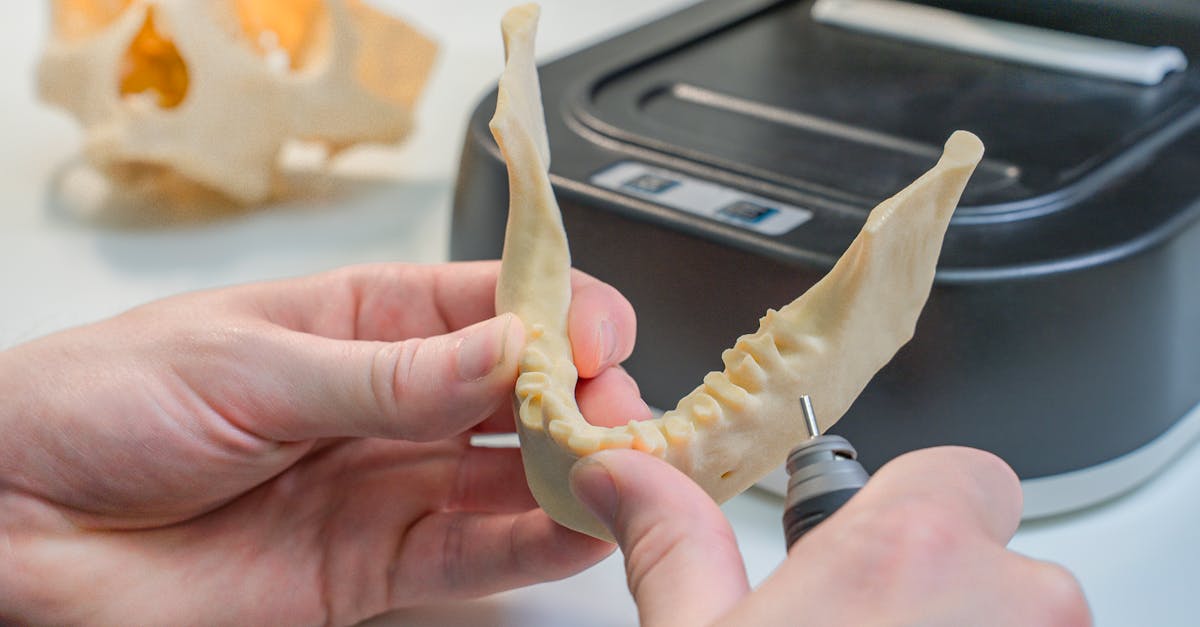
Dental implants are small titanium or ceramic posts placed in the jawbone to support a crown, bridge, or denture. What makes them different from older tooth replacement options is that they replace the root as well as the visible tooth. That matters because the jawbone needs stimulation from chewing to maintain its density. When a tooth is lost, the surrounding bone starts shrinking almost immediately, and studies have shown noticeable bone changes can occur within the first year after extraction.
Implants have earned their reputation because long-term success rates are strong. For healthy patients with good oral hygiene, single-tooth implants often show success rates above 90 percent over 10 years, and many last much longer. In practical terms, that means an implant is not just a cosmetic fix. It can protect bite function, preserve facial structure, and prevent neighboring teeth from drifting into an empty space.
Patients often choose implants for reasons that go beyond appearance:
- They feel more like natural teeth when chewing.
- They do not require grinding down adjacent healthy teeth, as a traditional bridge often does.
- They can stabilize loose dentures and improve speech.
- They may reduce the sunken look that can follow long-term tooth loss.
Who Is a Good Candidate and What Can Disqualify You
A good implant candidate usually has healthy gums, enough jawbone to support the implant, and habits that support healing. Age alone is rarely the issue. A healthy 72-year-old can be a better candidate than a 32-year-old who smokes heavily and skips dental cleanings. Dentists look at the whole picture, including medical history, medications, bite forces, gum health, and whether the patient can commit to follow-up care.
Several factors can complicate treatment, but they do not always rule it out. For example, people with controlled diabetes can often receive implants successfully, though poorly controlled blood sugar may slow healing and raise infection risk. Smokers face a higher failure risk because nicotine reduces blood flow. Patients who grind their teeth may need a night guard to protect the implant from overload.
Common green flags include:
- Stable periodontal health or a willingness to treat gum disease first
- Adequate bone volume on a 3D scan
- Consistent brushing, flossing, and recall visits
- Realistic expectations about time, cost, and maintenance
- Active gum disease
- Heavy smoking or vaping
- Untreated osteoporosis issues or certain antiresorptive medications
- Severe dry mouth
- Uncontrolled diabetes
- Poor oral hygiene habits
What the Implant Process Actually Looks Like from Consultation to Final Crown
Many people imagine implants as a single appointment, but the process usually unfolds in stages. First comes the consultation, exam, and imaging. The dentist or oral surgeon evaluates bone levels, gum condition, bite alignment, and any infection at the site. If a failing tooth is still present, extraction may be the first step. In some cases, an implant can be placed the same day. In others, healing or bone grafting comes first.
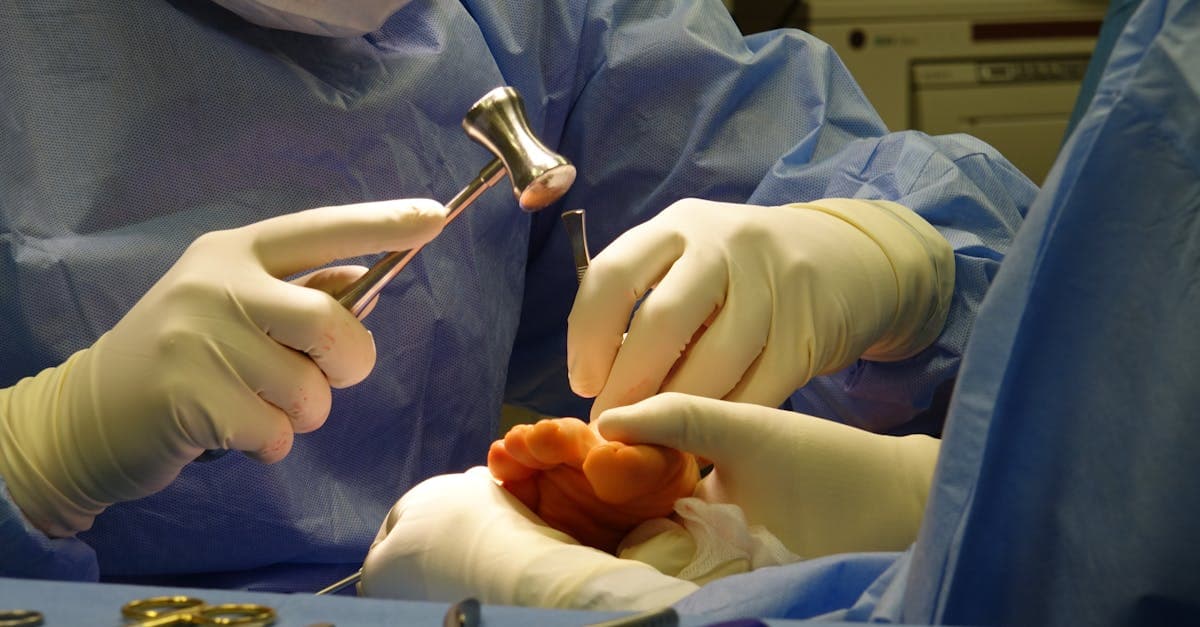
The implant itself is then placed surgically into the jawbone. This is typically done under local anesthesia, sometimes with oral sedation or IV sedation depending on the complexity. Most patients describe postoperative discomfort as manageable and often less intense than expected. Over the next few months, the implant surface bonds with the bone through a process called osseointegration. For many cases, that healing period lasts roughly 3 to 6 months.
After integration, the dentist attaches an abutment and then a custom crown. That final crown is shaped and shaded to match the surrounding teeth. A front tooth case may involve more aesthetic planning than a back molar, where strength is the top priority.
Typical phases include:
- Consultation and 3D imaging
- Extraction if needed
- Bone graft or sinus lift in selected cases
- Implant placement surgery
- Healing and integration
- Abutment and final restoration
- Pro: staged treatment can improve predictability and tissue health
- Pro: custom restorations usually look more natural than removable options
- Con: treatment can take several months
- Con: additional grafting may increase cost and recovery time
Costs, Value, and How Implants Compare with Bridges and Dentures
Implants are often described as expensive, and upfront cost is the biggest reason patients hesitate. In the United States, a single implant with the post, abutment, and crown commonly falls somewhere between 3000 dollars and 6000 dollars, though fees vary widely by city, specialist involvement, bone grafting needs, and materials used. Full-arch treatment can range from around 15000 dollars to well above 30000 dollars per arch. Those numbers can sound shocking until you compare them with the long-term replacement cycle of other options.
A traditional bridge may cost less initially, but it often requires reshaping adjacent healthy teeth. If one supporting tooth later develops decay or needs root canal treatment, the whole bridge can become more complicated and costly. Dentures are the most affordable starting point, yet many patients struggle with slipping, sore spots, reduced bite force, and lower confidence in social settings.
Here is the practical tradeoff:
- Implants usually cost more upfront but offer better stability and bone preservation.
- Bridges can be faster and cheaper at first but may compromise neighboring teeth.
- Dentures are budget-friendly initially but can feel less secure and may need relines as the jaw changes.
Risks, Recovery, and How to Improve Your Chances of Long-Term Success
Implants are highly successful, but success is not automatic. The biggest mistakes patients make are underestimating healing, ignoring gum disease, and assuming an implant cannot get into trouble because it is not a natural tooth. While implants do not get cavities, the tissues around them can become inflamed. Peri-implant mucositis and peri-implantitis are real complications, and they can lead to bone loss if not managed early.
Short-term recovery is usually straightforward. Mild swelling, tenderness, and temporary diet changes are normal for several days. Many people return to work within 24 to 48 hours after a simple placement. More complex procedures, especially grafting or full-arch surgery, may require a longer recovery window.
Common risks and drawbacks include:
- Infection at the surgical site
- Failure of the implant to integrate with bone
- Nerve irritation in lower jaw cases if planning is poor
- Sinus complications in upper back teeth
- Mechanical issues such as loose screws or chipped crowns
- Stop smoking before and after surgery if possible
- Treat gum disease before implant placement
- Keep diabetes well controlled
- Follow soft-food instructions during early healing
- Attend maintenance visits and professional cleanings
- Use a night guard if you clench or grind
Key Takeaways: Smart Questions, Practical Tips, and the Best Next Steps
If you are considering dental implants, the smartest move is not to ask, “How fast can this be done?” Ask, “How can this be done well?” A thorough consultation should include a clinical exam, gum evaluation, digital imaging, and a clear explanation of alternatives. If a provider jumps straight to price without discussing your bone, bite, and habits, that is a warning sign.
Use these practical tips before committing:
- Ask whether you need a cone beam CT scan and why.
- Request a written treatment plan with every fee listed separately.
- Find out who will place the implant and who will make the final crown.
- Ask what happens if grafting is needed after extraction.
- Clarify the expected timeline from surgery to final tooth.
- Ask how follow-up care and implant maintenance are handled.
- If you grind your teeth, discuss protective options before treatment.
Conclusion
Dental implants are more than a cosmetic upgrade. They are a functional, long-term tooth replacement option that can preserve bone, restore chewing ability, and improve daily confidence. The best results come from careful planning, realistic expectations, and ongoing maintenance, not from choosing the fastest or cheapest offer. Before moving forward, schedule a consultation with a qualified implant provider, request 3D imaging if appropriate, and compare implants with bridges or dentures based on your health, anatomy, and budget. If you ask better questions now, you are far more likely to get a result that looks natural, feels stable, and lasts for years. A modern smile starts with an informed decision.
Published on .
Share now!
LF
Leo Foster
Author
The information on this site is of a general nature only and is not intended to address the specific circumstances of any particular individual or entity. It is not intended or implied to be a substitute for professional advice.