Published on:
10 min read
Dental Crowns in 2026: What’s New and Worth Knowing
Dental crowns are no longer just a basic fix for cracked or heavily filled teeth. In 2026, the conversation has shifted toward stronger all-ceramic materials, faster digital workflows, better fit from intraoral scanning and AI-assisted design, and more nuanced choices between same-day convenience and lab-crafted durability. This article breaks down what has actually changed, what patients should ask before committing, how costs and longevity compare across common crown types, and where newer options genuinely improve outcomes versus where the marketing gets ahead of the evidence. You’ll also find practical guidance on choosing the right crown for front teeth, molars, implants, and root-canal-treated teeth, along with realistic pros, cons, and red flags that matter in everyday dental decisions.
- •Why dental crowns still matter in 2026
- •What’s actually new: materials, digital scans, and AI-assisted design
- •Comparing crown options: where each type makes the most sense
- •Cost, lifespan, and the hidden factors that affect value
- •Questions to ask before getting a crown and red flags to watch for
- •Key takeaways: practical tips for choosing and protecting a crown
- •Conclusion
Why dental crowns still matter in 2026
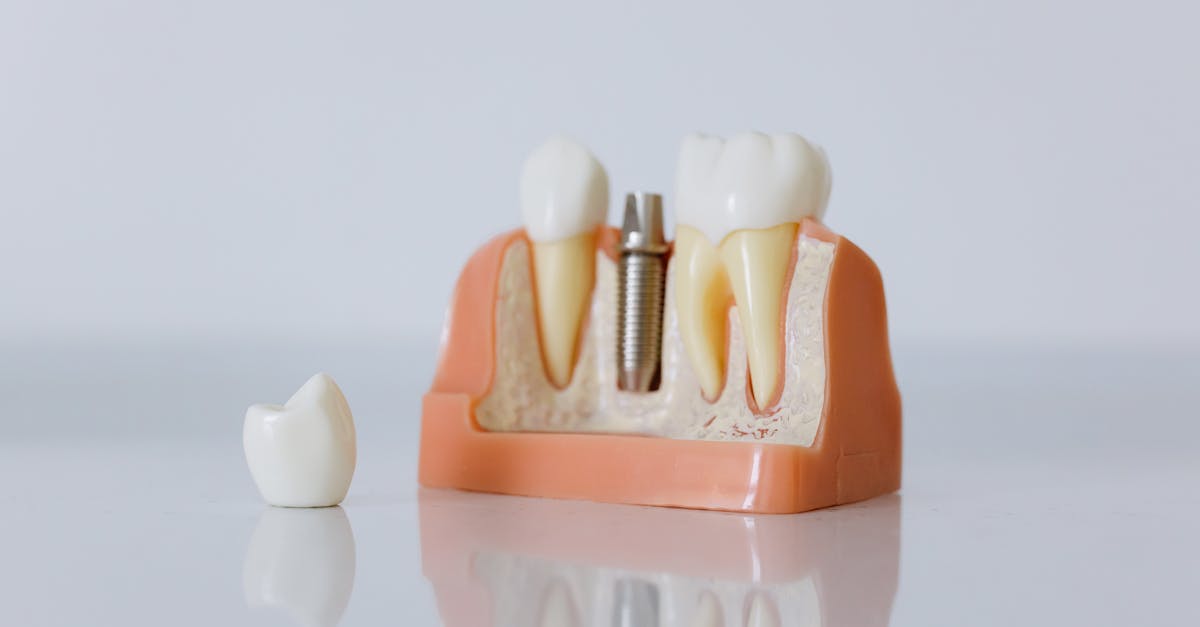
A dental crown is a custom cap that covers a damaged tooth to restore strength, shape, and function, but in 2026 the decision is less straightforward than it used to be. Patients now face more material choices, more digital options, and wider price ranges than even five years ago. Crowns are still commonly recommended after large fillings, root canals, fractures, severe wear, or cosmetic reshaping, yet the newer question is not simply whether you need one. It is which type best matches the tooth, your bite forces, and your budget.
The need remains widespread. Large observational studies have consistently shown that teeth with extensive structure loss are at much higher risk of fracture without cuspal coverage, especially molars that absorb heavy chewing pressure. A root-canal-treated back tooth, for example, often survives much longer with full coverage than with a large filling alone. That matters because replacing a lost tooth with an implant or bridge typically costs far more than preserving it.
What has changed is the patient experience. Many practices now use digital scans instead of traditional impression trays, and same-day workflows are more common in metropolitan clinics. Crowns also look better than older generations. Modern ceramics can mimic enamel translucency in a way that older porcelain-fused-to-metal restorations often could not.
Still, crowns are not automatically the best answer in every case.
- Pros: strong protection, improved function, excellent esthetics, predictable longevity when well planned.
- Cons: irreversible tooth reduction, variable cost, possible sensitivity, and failure risk if bite design or hygiene is poor.
What’s actually new: materials, digital scans, and AI-assisted design
The biggest shift in 2026 is not that crowns are brand new, but that the workflow and materials have matured enough to change outcomes in practical ways. Zirconia remains a major player, especially for molars, yet today’s multilayer and higher-translucency zirconia is more lifelike than the opaque versions many patients remember from the 2010s. Lithium disilicate still has a strong role for front teeth and selected premolars because it balances esthetics with respectable strength, often in the 360 to 500 MPa range depending on the product and processing method. Monolithic zirconia, by comparison, can exceed 800 MPa and in some formulations surpass 1,000 MPa, which is why dentists often favor it in heavy-bite situations.
Digital scanning is now close to mainstream in many private practices. Instead of trays filled with impression material, dentists use handheld intraoral scanners that create a 3D model in minutes. This improves comfort, but the real advantage is consistency. A well-captured scan can reduce remakes caused by distorted impressions, especially around the margin where fit is critical to preventing cement washout and recurrent decay.
AI-assisted design has also become more visible. Software can propose occlusal anatomy, contact points, and margin refinement based on databases of prior cases. It does not replace the dentist or ceramist, but it can speed design and reduce obvious errors.
- Benefits of the 2026 workflow: faster turnaround, fewer impression retakes, better communication with labs, and more precise archival records.
- Limitations: scanner accuracy still depends on technique, subgingival margins can be difficult to capture, and not every clinic has the same level of digital skill.
Comparing crown options: where each type makes the most sense
Patients often hear material names without enough context, and that leads to poor choices. A crown that looks ideal on a front tooth may not be the smartest option on a heavily loaded lower molar in a patient who clenches at night. In 2026, the best clinicians are increasingly matching crown type to bite risk, esthetic demands, and the amount of remaining tooth structure rather than following a one-material-for-everything approach.
Porcelain-fused-to-metal crowns still exist and can work well, especially where strength matters and esthetics are not the top priority. Their downside is that the metal substructure can create a gray edge near the gum over time. All-ceramic options dominate cosmetic cases because they transmit light more naturally. Zirconia has become the practical workhorse for posterior crowns, while lithium disilicate remains popular for visible areas.
Gold and high noble metal crowns deserve more respect than they get online. They are less fashionable, but they can be incredibly durable, kind to opposing teeth, and conservative in terms of tooth reduction. For some back molars, they remain one of the smartest long-term choices.
A realistic way to compare them is to ask not just what looks best today, but what will tolerate your bite for the next decade. That is especially true for patients with bruxism, large existing fillings, or limited enamel left for bonding.
| Crown Type | Best Use Case | Main Strength | Main Tradeoff | Typical U.S. Fee Range |
|---|---|---|---|---|
| Monolithic Zirconia | Molars, heavy bite, bruxism risk | Very high strength and fracture resistance | Can be less translucent than premium ceramics | $1,100-$2,200 |
| Lithium Disilicate | Front teeth and premolars with esthetic demands | Excellent esthetics with good strength | Less ideal than zirconia for extreme bite loads | $1,200-$2,400 |
| Porcelain-Fused-to-Metal | Mixed esthetic and strength needs | Long clinical track record | Possible dark margin or less natural light transmission | $1,000-$2,000 |
| Gold or High Noble Metal | Back molars where longevity matters most | Durable and gentle on opposing teeth | Poor esthetics for visible areas | $1,300-$2,500 |
Cost, lifespan, and the hidden factors that affect value
In 2026, most patients want to know the same thing: how long will a crown last, and is the more expensive option worth it? The honest answer is that lifespan depends less on brand hype than on diagnosis, tooth preparation, margin quality, bite adjustment, cementation, and home care. Many crowns last 10 to 15 years, and a well-done crown can exceed 15 or even 20 years. At the same time, some fail in under five years because the wrong tooth was crowned, decay formed at the margin, or the patient cracked it through untreated grinding.
Fees vary widely by region and practice model. In many U.S. markets, a crown commonly falls between about $1,100 and $2,400 per tooth before insurance. Urban specialty-heavy areas may run higher. Dental insurance often covers roughly 50 percent of a crown after deductible, but plans may downgrade reimbursement if they prefer a less expensive material. That difference catches many patients off guard.
The real value question should include future risk. A cheaper crown that needs replacement in six years may cost more overall than a better-planned option that lasts 14 years. A same-day crown can save time off work, but if the case would benefit from a skilled lab ceramist, convenience should not be the only decision point.
- What improves value: good gum health before treatment, night guards for grinders, excellent flossing, and regular bite checks.
- What lowers value: chasing the lowest fee, ignoring sensitivity after cementation, and delaying treatment until a crack worsens.
Questions to ask before getting a crown and red flags to watch for
The quality of the conversation before treatment often predicts the quality of the result. A careful dentist should explain why the tooth needs a crown, what alternatives exist, which material is recommended, and what risks apply specifically to your case. If you have a crack line, a history of clenching, gum recession, or very little remaining tooth structure, those details should shape the plan. A one-size-fits-all answer is usually a warning sign.
Good questions include: Is the tooth alive or root-canal-treated? How much healthy tooth structure is left? Will a buildup or post be needed? Are the margins above or below the gumline? If this is a front tooth, how will shade matching be handled? If it is a molar, how will the crown be designed to handle my bite? If you grind at night, ask whether a night guard is part of the long-term plan.
There are also practical red flags patients should know.
- Be cautious if no bite analysis is discussed for a heavy clencher.
- Be cautious if the tooth has active gum inflammation and treatment is rushed anyway.
- Be cautious if a cracked tooth is presented as risk-free after crowning. Crowns reduce risk; they do not make a compromised tooth indestructible.
- Be cautious if follow-up is vague. Adjustments are normal, especially if the new crown feels high.
Key takeaways: practical tips for choosing and protecting a crown
If you want a crown that looks good, feels normal, and lasts, focus on decision quality before treatment and maintenance after treatment. Start by matching the material to the tooth’s job. For a highly visible front tooth, esthetics and shade layering may matter more than maximum strength. For a lower molar in a patient with a strong bite, monolithic zirconia or a metal crown may be the safer long-term call.
Use these practical guidelines:
- Ask to see why a crown is needed on an X-ray or intraoral photo. Visual evidence makes treatment decisions clearer.
- If esthetics are critical, ask whether a custom lab-made crown will outperform a same-day option in your case.
- If you clench or grind, budget for a night guard. This can be one of the highest-return investments after crown placement.
- Keep margins clean. Daily flossing or water flossing around the crown is essential because crowns do not get cavities, but the tooth underneath still can.
- Report lingering pain, cold sensitivity, or a high bite quickly. Small adjustments made early can prevent bigger problems.
- If the tooth had a root canal, ask how much remaining structure is left and whether a crown lengthening or different restoration is more predictable.
Conclusion
Dental crowns in 2026 are better, more precise, and often more natural-looking than ever, but the smartest decisions still come down to fundamentals: correct diagnosis, the right material for the tooth, careful bite planning, and consistent maintenance. Digital scans, stronger ceramics, and AI-assisted design are meaningful upgrades when used well, yet they do not replace clinical judgment. If you are considering a crown, ask specific questions about material choice, expected lifespan, total cost, and how your bite or grinding habits affect the plan. Then protect the investment with good hygiene, regular dental reviews, and a night guard if needed. The next step is simple: book a consultation focused on options, not just price, and make sure the recommendation fits your mouth, not just the latest trend.
Published on .
Share now!
MQ
Michael Quinn
Author
The information on this site is of a general nature only and is not intended to address the specific circumstances of any particular individual or entity. It is not intended or implied to be a substitute for professional advice.