Published on:
6 min read
Everything You Need to Know About Dental Crowns: Enhance Your Dental Health Today!
Dental crowns are essential for restoring damaged teeth and enhancing oral health. In this post, we explore the different types of crowns, their benefits, and what to expect during the procedure.
What Are Dental Crowns?
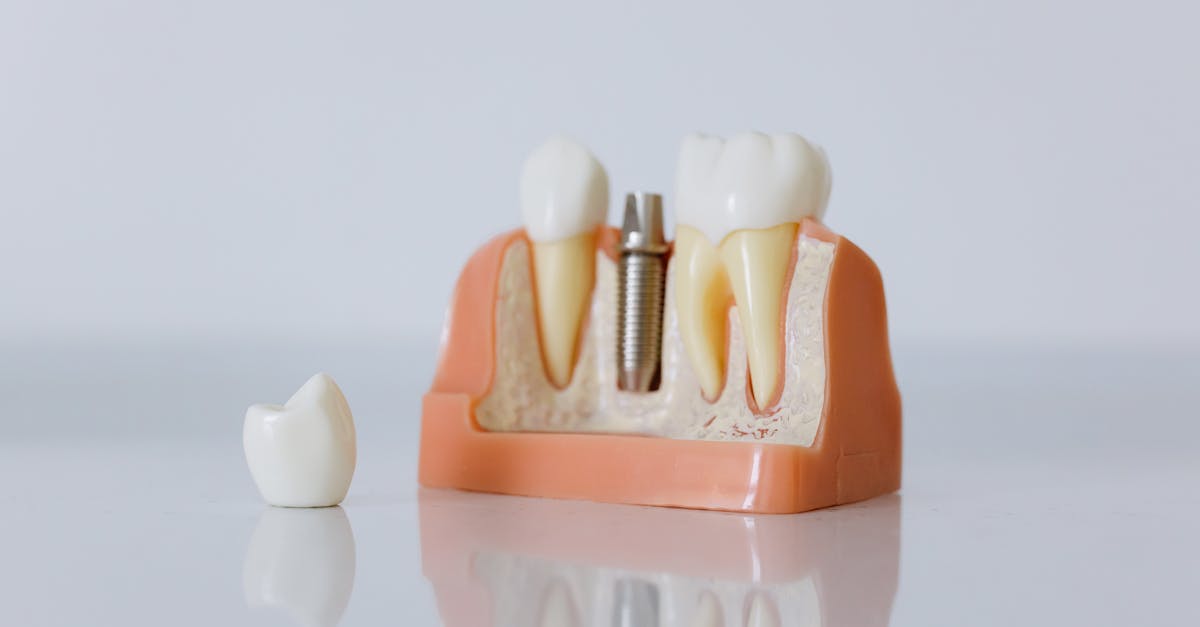
Dental crowns are custom-made caps that cover the entire visible portion of a tooth. They are used to restore the shape, size, strength, and appearance of a damaged tooth. Crowns can be made from various materials, including porcelain, metal, and resin, each offering different aesthetic and durability benefits. Dental professionals recommend crowns for a variety of reasons, including severe tooth decay, cracked or broken teeth, and after root canal treatments. They not only enhance the aesthetic appeal of your smile but also provide necessary protection to compromised teeth, helping to prevent further damage and decay.
Types of Dental Crowns
There are several types of dental crowns available, each serving unique needs. Porcelain crowns are popular for their natural appearance, making them ideal for front teeth. Metal crowns, often made from gold or other alloys, offer superior strength and are typically used for molars where chewing force is greatest. Resin crowns provide a budget-friendly option but may wear down faster than their porcelain or metal counterparts. Additionally, there are temporary crowns used while permanent ones are being crafted. Choosing the right crown is crucial, and it’s advisable to consult with your dentist to understand the best option for your specific dental condition.
The Dental Crown Procedure: What to Expect
The dental crown procedure typically involves two visits to the dentist. During the first visit, the dentist will examine and prepare your tooth by removing any decay and reshaping it to fit the crown securely. An impression of the tooth is then taken to ensure the crown fits perfectly. A temporary crown is placed to protect the tooth while the permanent crown is created. During the second visit, the temporary crown is removed, and the permanent crown is cemented in place. The entire procedure is generally painless and is performed under local anesthesia to maximize comfort.
Conclusion: Enhance Your Smile with Dental Crowns
In summary, dental crowns can significantly enhance both the health and appearance of your smile. By understanding the types of crowns available, the benefits they offer, and what to expect during the procedure, you can make an informed decision regarding your dental health. Always consult with your dentist to determine the best treatment plan tailored to your needs, ensuring your smile remains bright and beautiful for years to come.
Published on .
Share now!