Published on:
5 min read
Data-Driven Success: Transforming Business Strategies Through Analytics
In the rapidly evolving business landscape, leveraging analytics is key to achieving success. Data-driven strategies enable organizations to refine operations, enhance decision-making, and drive growth. This post explores how analytics can reshape your business approach for better results.
The Power of Data Analytics
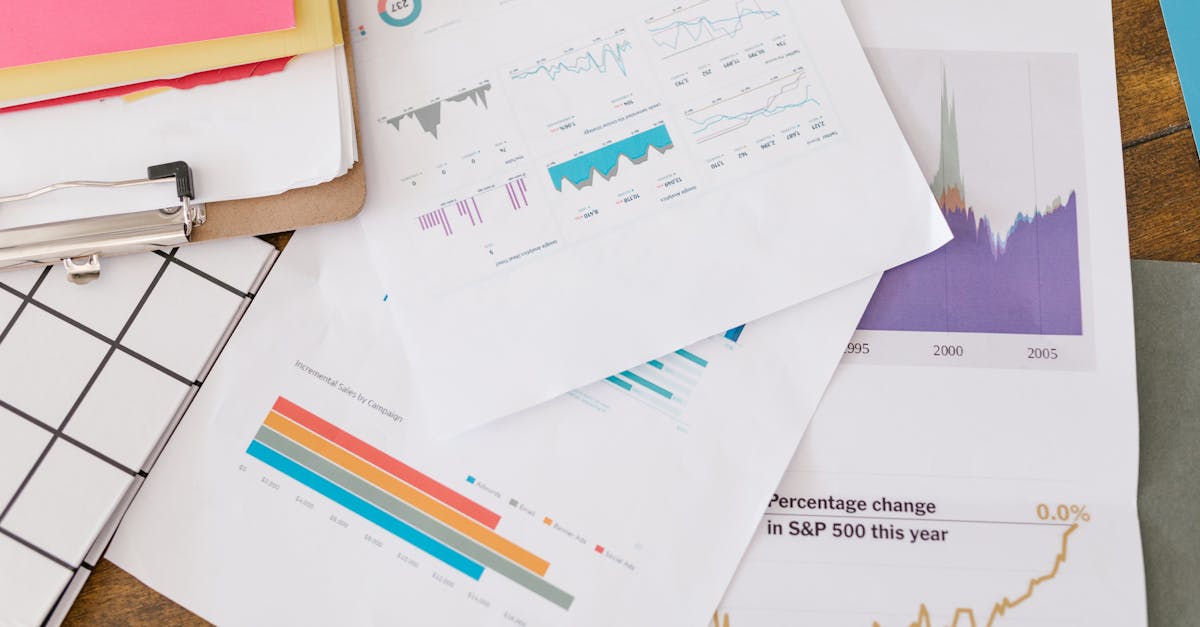
Data analytics plays a crucial role in modern business strategy. By collecting and analyzing data, organizations can identify trends, customer behaviors, and market demands. This insight allows businesses to make informed decisions, tailor their products or services, and target their marketing efforts more effectively. For instance, analyzing customer feedback can help identify pain points, leading to improved offerings that satisfy client needs. Utilizing advanced analytical tools and techniques, such as predictive analytics, allows businesses to forecast future trends and prepare accordingly, positioning themselves ahead of competitors.
Enhancing Customer Experience Through Insights
In today’s competitive market, customer experience is paramount. Utilizing data analytics, companies can gain a comprehensive understanding of their customers' preferences and behaviors. This data helps in personalizing interactions and creating targeted marketing campaigns. For example, by analyzing purchase histories, businesses can suggest complementary products, enhancing the shopping experience. Furthermore, real-time analytics enables companies to respond swiftly to customer inquiries or issues, fostering a responsive and client-centered culture. By prioritizing data insights, businesses not only improve satisfaction but also cultivate loyalty and retention.
Strategic Decision-Making with Data-Driven Insights
Effective decision-making is essential in steering a business towards success. Data analytics transforms subjective decision-making into an objective, evidence-based process. Leaders can assess potential risks and rewards by analyzing relevant data, enabling them to make strategic choices that positively influence growth and profitability. For instance, businesses can evaluate the effectiveness of marketing campaigns through analytics, adjusting budgets and strategies based on quantifiable results. In addition, data visualizations provide intuitive insights for stakeholders, ensuring everyone is aligned and making data-driven decisions that enhance overall company performance.
Conclusion
Adopting a data-driven approach is no longer optional for businesses aiming for success in today's market. The utilization of analytics not only optimizes operations and enhances customer experiences but also drives strategic decision-making. By embracing data insights, organizations can find innovative solutions, boost efficiency, and maintain a competitive edge. Ultimately, the right analytics can lead to sustainable growth and long-term success.
Published on .
Share now!