Published on:
5 min read
Exploring Belly Button Hernias: What You Need to Know for Optimal Health
Belly button hernias, or umbilical hernias, are a common concern that can affect individuals of all ages. Understanding the causes, symptoms, and treatment options is crucial for maintaining optimal health. This post delves into the essentials of belly button hernias and how to manage them effectively.
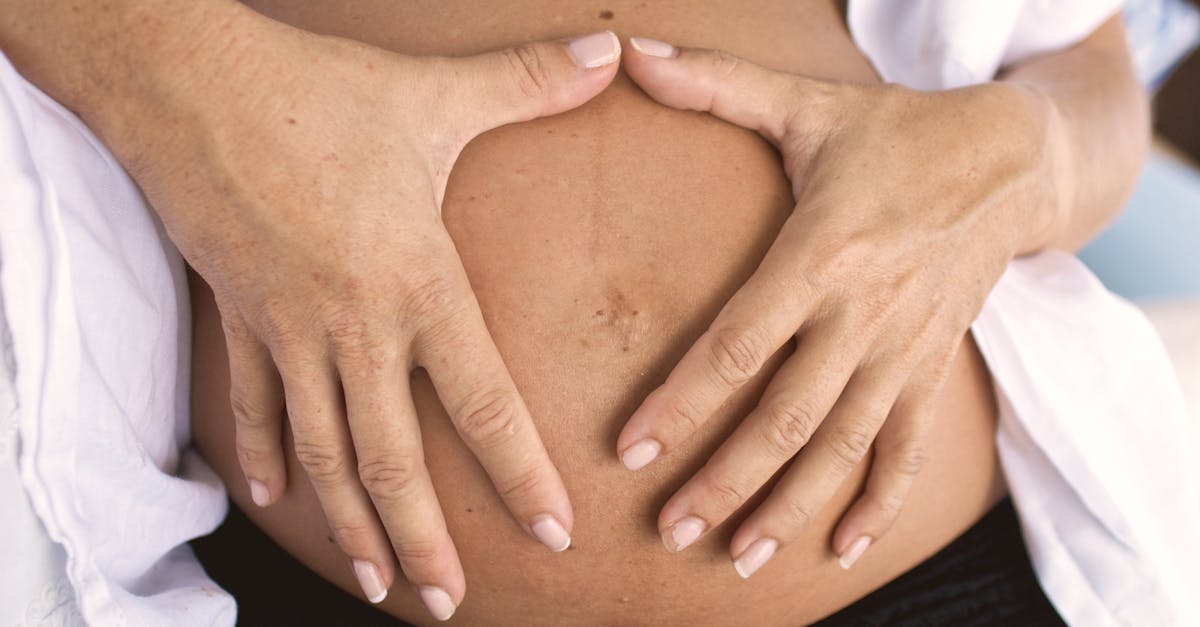
What is a Belly Button Hernia?
A belly button hernia occurs when a portion of fat or intestine bulges through the abdominal wall near the belly button (umbilicus). This condition is most common in infants but can also affect adults. In infants, it usually resolves on its own, but in adults, it may become more serious if left untreated. Understanding the anatomical structure of the abdominal wall can help shed light on why these hernias occur. Factors such as genetics, obesity, and strenuous physical activity can increase the risk of developing a hernia. Recognizing the signs early on can lead to better management of this condition.
Symptoms and Diagnosis
The primary symptom of a belly button hernia is a noticeable bulge near the navel, particularly when coughing or straining. Other symptoms may include pain or discomfort, especially during physical activities or prolonged standing. In some cases, a hernia can be detected during routine physical examinations. It's essential for individuals to monitor any changes in their bodies and consult with a healthcare provider if they experience unexplained swelling or pain. Diagnostic imaging, such as ultrasound or CT scans, may be employed to confirm the presence of a hernia and assess its size and impact on surrounding structures, guiding appropriate treatment options.
Treatment Options and Recovery
Most cases of umbilical hernias in infants do not require treatment and typically resolve by the age of 5. However, adults may require surgical intervention, especially if the hernia becomes painful or obstructed. Surgical options include open surgery and laparoscopic surgery, with both methods aiming to repair the abdominal wall. Post-operative recovery usually involves managing pain and avoiding heavy lifting for a few weeks. Following surgery, patients are encouraged to gradually resume normal activities and may participate in physical therapy for optimal recovery. A healthy lifestyle, including maintaining a healthy weight and regular exercise, can significantly reduce the risk of hernia recurrence.
Conclusion
In summary, understanding belly button hernias is essential for anyone concerned about their health or that of their children. Early diagnosis and appropriate treatment are key to resolving this condition. By staying informed and proactive, individuals can significantly enhance their quality of life and avoid potential complications associated with untreated hernias.
Published on .
Share now!