Published on:
5 min read
By Jack Turner · DIY & Repairs Contributor
10 Tools Every Beginner Needs for Basic Home Repairs
I remember my first leaky faucet fiasco. Having the right tools transformed a morning of frustrations into a quick fix. Here's what every beginner needs to tackle basic home repairs.
The Realization: My First Leaky Faucet Fiasco
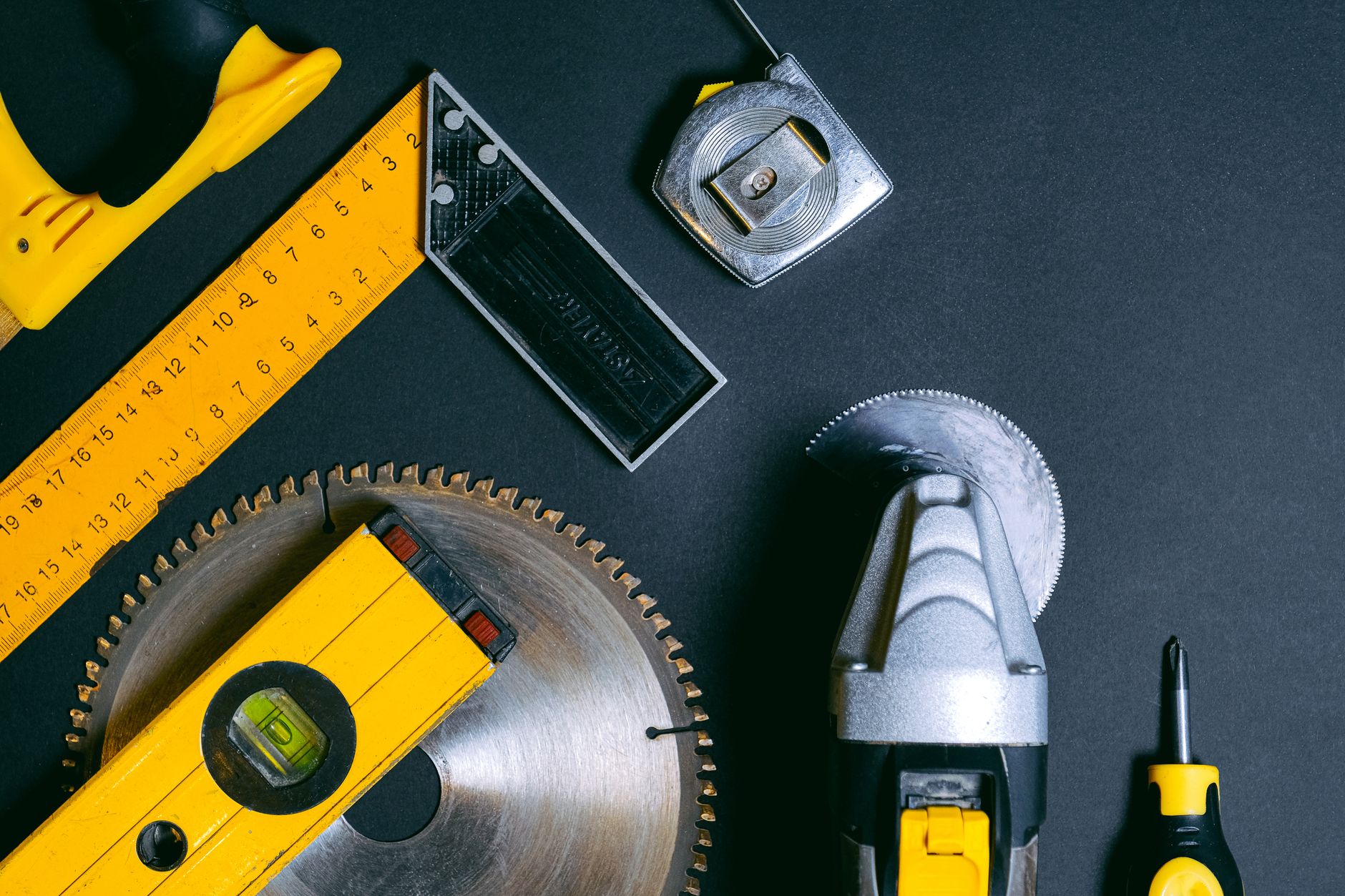
A few years back, I found myself staring at a persistent drip from my kitchen faucet. It was a Saturday morning, and with a cup of coffee in hand, I decided to tackle the issue head-on. However, my enthusiasm quickly waned when I realized my toolbox was more of a beginner's art kit than a practical resource. After a couple of failed attempts using makeshift tools like a butter knife and some luck, I learned the importance of having the right tools. This experience taught me that having a basic set of tools can turn daunting repairs into manageable tasks. In this article, I’ll share the ten essential tools every beginner should have to simplify home repairs and avoid the frustration I initially faced.
The Right Wrench: Saving Time with the Adjustable Wrench
On my second attempt to fix that faucet, I borrowed an adjustable wrench from a neighbor. This simple tool turned out to be a game-changer. With it, I was able to easily grip and turn the stubborn faucet nut, completing what I had struggled with for over an hour in just 15 minutes. The adjustable wrench, costing around $15, became my go-to tool for plumbing tasks. It's versatile enough to handle various sizes of nuts and bolts, making it invaluable for any beginner trying to handle repairs without a fully stocked toolbox. I’ve since used it for everything from tightening loose chair legs to assembling flat-pack furniture. My experience taught me that having a tool like this on hand can save not just time but also unnecessary frustration, which can often be more costly than the tool itself.
Essentials: The Must-Have Items in My Toolkit
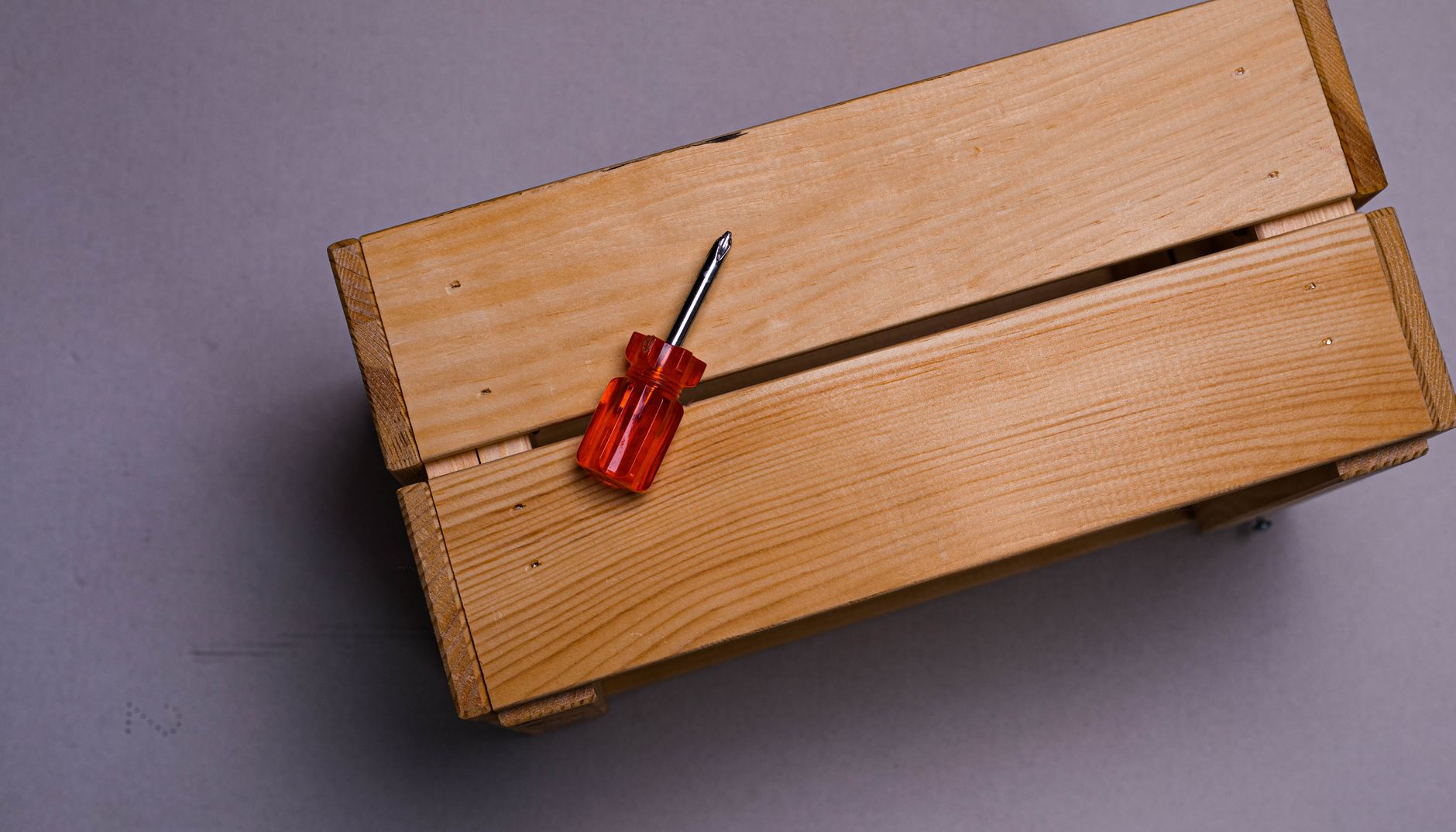
Building a toolkit can be overwhelming, but I’ve narrowed down the essentials based on my experiences:
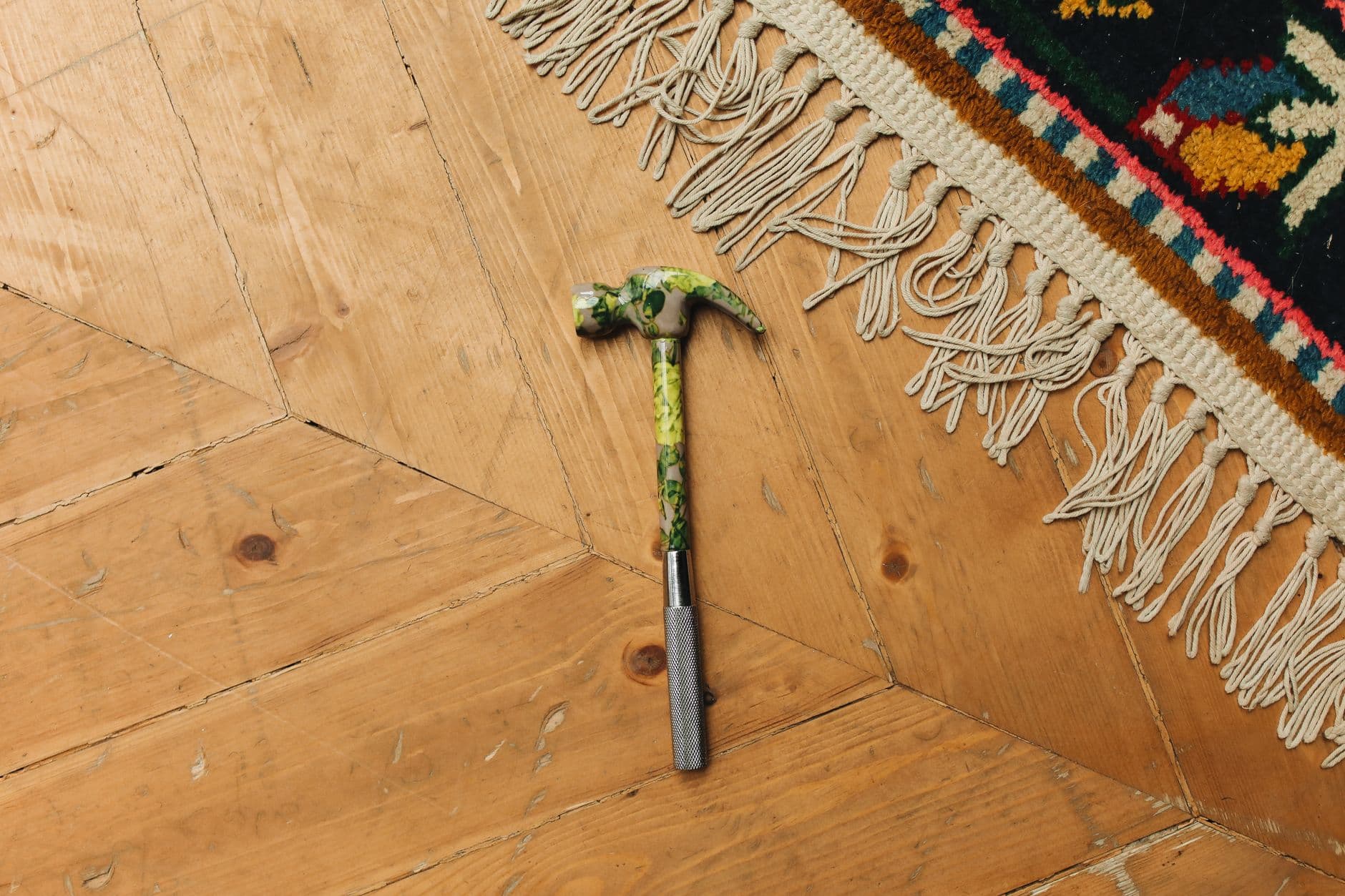
- Hammer: Whether hanging pictures or assembling furniture, a reliable claw hammer is a must. It cost me about $10 at a local hardware store. I use it not only for driving nails but also for minor demolition tasks.
- Tape Measure: For those times I tried to eyeball it and ended up with crooked shelves, a $5 tape measure saved the day. Accurate measurements prevent a lot of rework, especially when cutting materials.
- Screwdriver Set: A set that includes both flathead and Phillips screwdrivers, usually priced around $20, covers most tasks like tightening screws or assembling projects. It's also essential for opening battery compartments in kids' toys.
- Utility Knife: Essential for cutting drywall, opening boxes, or trimming excess material, a sturdy utility knife is indispensable. Mine was a bargain at $8 and has been crucial for tasks requiring precision cuts.
- Pliers: For gripping, bending, or cutting wires, a set of pliers (needle-nose and standard) is crucial. At around $15, this tool has paid for itself many times over. Whether adjusting a wiring setup or fixing a chain-link fence, pliers offer flexibility and control.
- Level: Ensuring that shelves, pictures, and appliances are perfectly horizontal or vertical is vital. My $10 level has helped eliminate the guesswork and ensure professional-looking results.
Comparative Analysis: Finding the Right Tool for the Job
Choosing the right tool can be daunting with so many options available. Here’s a comparison of the most commonly used tools and their applications in home repairs.
| Tool | Primary Use | Average Cost |
|---|---|---|
| Adjustable Wrench | Tightening/loosening nuts | $15 |
| Claw Hammer | Driving/removing nails | $10 |
| Electric Drill | Making holes, driving screws | $50 |
| Tape Measure | Measuring distances | $5 |
| Level | Ensuring straight lines | $10 |
Practical Tips: Building Your Toolkit
To build a functional toolkit from scratch, follow these steps:
- Start with a budget and stick to it; even $100 can cover the essentials.
- Prioritize multi-use tools like an adjustable wrench and a versatile screwdriver set. This ensures that your toolkit is flexible for various tasks.
- Buy tools as needed for specific projects to gradually expand your collection. This method helps in not overwhelming yourself with unnecessary tools.
- Focus on quality over quantity; a well-made tool can last a lifetime and save money in the long run. Cheaper tools might wear out or break under pressure, leading to additional expenses.
- Regularly evaluate your toolkit to ensure you have what you need as your skills and projects evolve. This step helps in keeping the toolkit relevant and effective for the tasks at hand.
Q&A: Common Questions About Basic Toolkits
Q: How many tools do I really need to start with?
Start with 5-7 versatile tools that cover a range of tasks. Add more as you take on new projects. This approach helps in not overwhelming yourself right from the start.
Q: Are expensive tools worth it for a beginner?
Not necessarily. Focus on quality for the essentials. Higher prices often reflect durability, but there are affordable, reliable options that serve a beginner well.
Q: How do I know if a tool is good quality?
Look for sturdy construction, comfortable grip, and reliable brand reviews. Testing the tool in-store when possible is also helpful. A good tool feels solid and operates smoothly without too much effort.
Q: Can I rent tools instead of buying them?
Yes, renting is a great option for infrequent needs or expensive, specialized tools. Many local hardware stores offer rental services, allowing you to use high-quality tools without the long-term commitment of purchasing them.
EditorialOur Take
Having the right tools has been one of the best choices for maintaining my home efficiently. For beginners, a small, well-chosen toolkit can drastically cut down on repair time and frustration. Start with the essentials, focus on quality, and expand as needed. This toolkit setup is perfect for anyone looking to handle basic home repairs efficiently. However, if you're a seasoned DIY enthusiast, you may want to branch out into more specialized tools as your skills and projects grow. This approach has helped me tackle a variety of home repairs with confidence and ease, without overwhelming my budget or storage space. Whether you're fixing a leaky faucet or hanging a new set of curtains, the right tools make all the difference.
Published on .
Share now!

Jack Turner
DIY & Repairs Contributor
Jack Turner writes Dailynib's simple-repair guides. He believes most small household fixes are far less scary than they look once someone shows you the steps. Jack focuses on safe, beginner-friendly repairs that don't need a pro. Jack uses AI tools to research, draft, and help keep these articles accurate.
More from Jack →The information on this site is of a general nature only and is not intended to address the specific circumstances of any particular individual or entity. It is not intended or implied to be a substitute for professional advice.
Get our best tips in your inbox
A short, practical email now and then. No spam, and you can unsubscribe anytime.